OSLO — The Norwegian Refugee Council (NRC) has warned that Sudanese cities remain among the most “neglected” in the world by international powers.
The organisation said global attention is increasingly shifting away from long-running humanitarian crises.
It said this shift is affecting the level of international response to emergencies.
The NRC added that several countries are adopting more nationalist and inward-looking political agendas.
According to the organisation, this trend is reshaping global aid priorities.
It said the consequences are being felt most strongly in conflict-affected countries.
Sudan was highlighted as one of the worst affected cases.
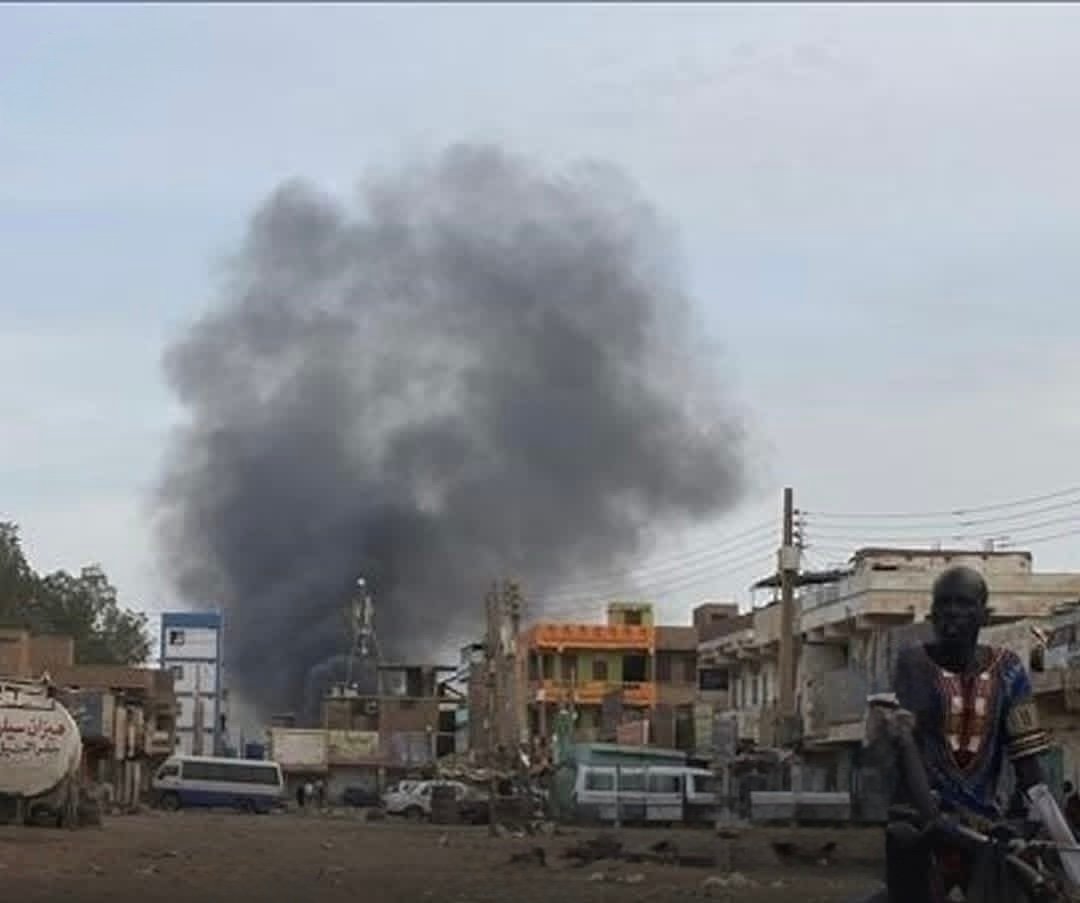
The country has been experiencing ongoing conflict and widespread displacement.
Many urban areas are facing severe shortages of basic services.
The NRC said humanitarian needs in Sudan continue to grow rapidly.
However, it warned that international engagement remains limited.
It said aid levels are not matching the scale of destruction and displacement.
The organisation also pointed to worsening conditions in other crisis zones.
It specifically mentioned the Democratic Republic of the Congo (DRC).
The NRC said multiple emergencies are now competing for shrinking global funding.
It argued that donor priorities are increasingly driven by domestic political considerations.
According to the group, this is leaving several crises underfunded.
The NRC called for renewed international commitment to humanitarian assistance.
It warned that continued neglect could deepen instability in affected regions.
The organisation stressed that urban areas are particularly vulnerable.
Meanwhile, the United Nations has already warned of a significant funding gap for 2026.
The UN said its humanitarian budget is falling short in multiple countries.
Sudan and the DRC were identified among the most affected.
It said reduced funding could directly impact life-saving operations.
Humanitarian agencies have repeatedly expressed concern over declining global support.
The NRC said urgent action is needed to prevent further deterioration in crisis-affected areas.