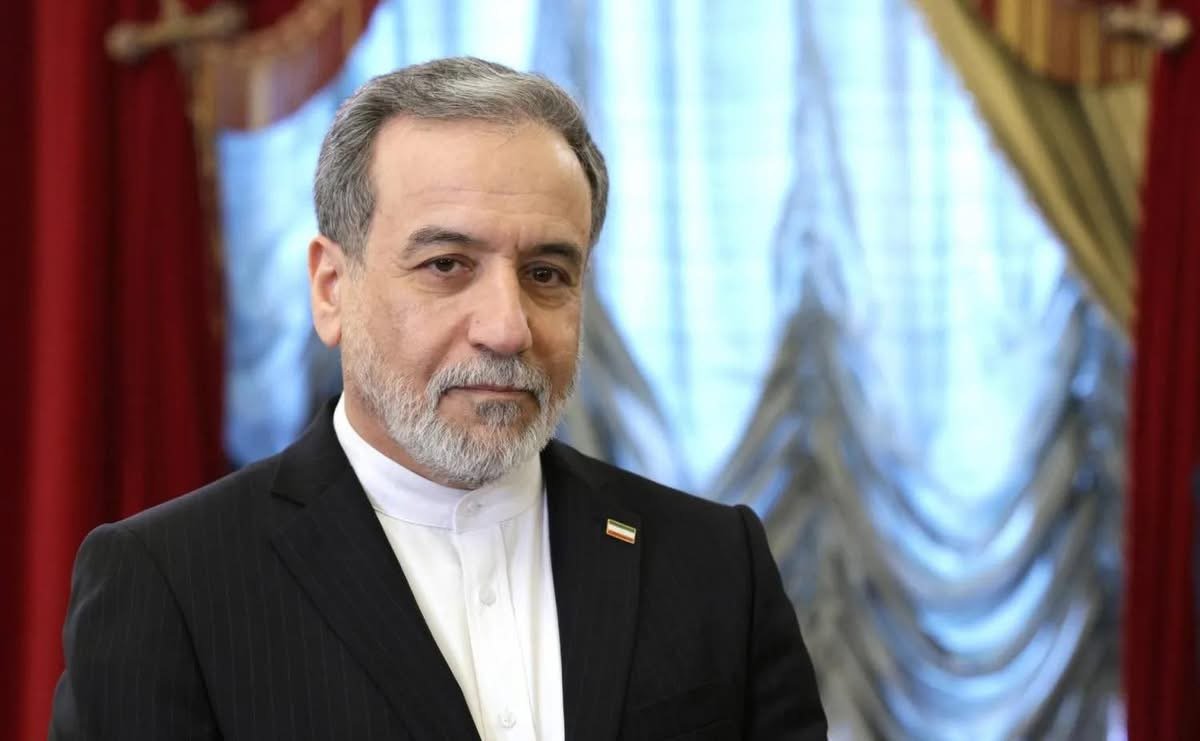
TEHRAN — Iran’s Foreign Minister Abbas Araghchi has held telephone discussions with senior officials in Britain, Turkey, and Pakistan, delivering a firm message on Tehran’s regional position, according to Al Jazeera.
The calls come amid rising tensions across the Middle East linked to the conflict between Israel and Iran-aligned groups in Lebanon and Gaza.
Araghchi reportedly spoke separately with the foreign ministers of the United Kingdom and Turkey, as well as Pakistan’s army chief.
During the discussions, he outlined Iran’s position on recent regional developments, particularly the situation in Lebanon.
He said Iran’s actions were a direct response to Israeli military strikes.
The Iranian minister described Israel’s operations as “unlimited aggression” in Lebanon.
He warned that continued Israeli actions could trigger further escalation.
Araghchi said Iran would not remain passive in the face of what it considers repeated attacks.
He stressed that Tehran’s response was linked to what he called ongoing Israeli operations in Lebanese territory.
According to Al Jazeera, he framed Iran’s actions as defensive rather than offensive.
He added that regional stability could not be achieved while military pressure continued.
The minister warned that Iran would respond “strongly” to any further developments it associates with Israeli strikes in Lebanon.
He said any renewed attack would be met with a decisive response.
Araghchi also reiterated Iran’s broader support for regional allies engaged in confrontation with Israel.
He linked the situation in Lebanon to wider tensions across the region.
The remarks come as international actors attempt to contain the risk of escalation between Israel and Iran-backed groups.
Diplomatic contacts have increased in recent weeks amid fears of a widening conflict.
Britain and Turkey are among countries involved in ongoing discussions on de-escalation.
Pakistan’s military leadership was also briefed during the calls, according to the report.
The situation remains highly volatile, with concerns that the conflict could spread beyond its current fronts.