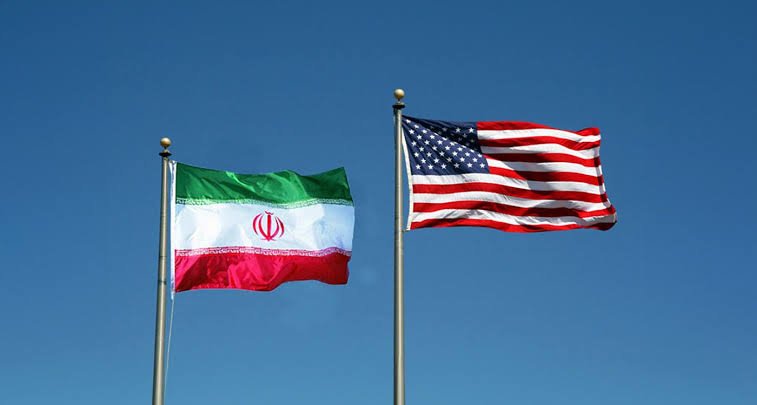
TEHRAN / WASHINGTON — An alleged understanding between the United States and Iran has triggered widespread debate after both sides were reported to have acknowledged progress in negotiations aimed at reducing tensions, though key details remain unconfirmed and no official text has been published.
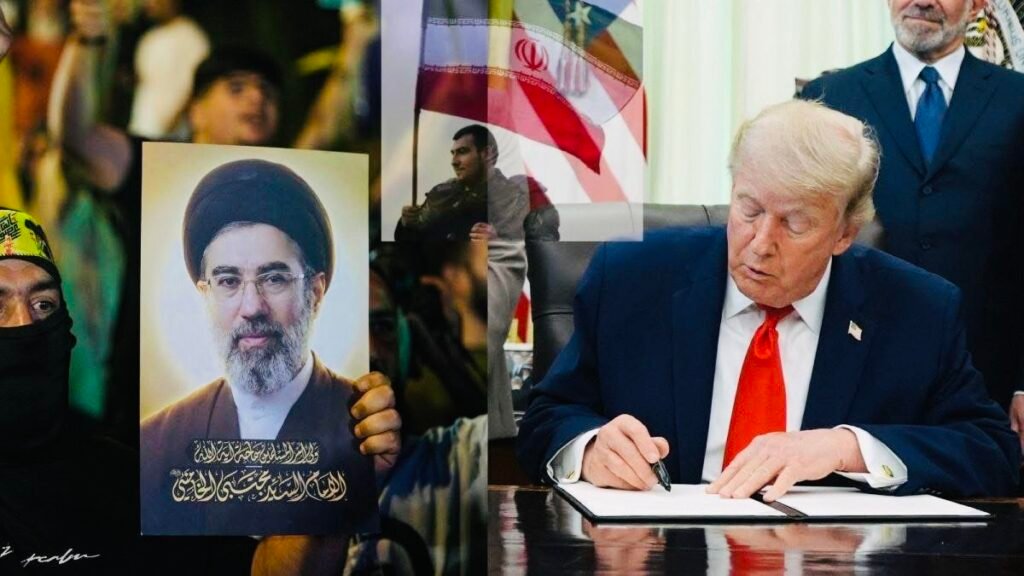
According to statements circulating in Iranian and international media, the two sides are said to have reached what officials describe as an “initial memorandum of understanding” rather than a full peace or comprehensive agreement.
The reported deal, which has not been independently verified, comes after months of fluctuating signals from both Washington and Tehran, with earlier claims of progress repeatedly denied or downplayed by one side or the other.
Officials involved in the talks have not publicly released the contents of any agreement, and both governments have offered limited and sometimes contradictory descriptions of what may have been agreed.
Iranian Foreign Minister Abbas Araghchi, speaking in remarks aired by state media, declined to disclose specific provisions, saying only that “details will be announced at the appropriate time.” His comments came amid domestic criticism from some political factions questioning the secrecy surrounding the negotiations.
Former US President Donald Trump, whose administration has previously taken a hardline stance on Iran, has also made limited public comments, focusing mainly on nuclear-related issues and the potential unfreezing of Iranian assets, without confirming the existence of a finalized deal.
However, reports attributed to Iranian media outlets, including Mehr News Agency, claim the understanding may include phased steps such as easing maritime restrictions, potential adjustments around the strategic Strait of Hormuz, and gradual relief from certain sanctions tied to Iran’s oil and petrochemical exports. These claims have not been confirmed by US officials.
Washington has reportedly rejected some of these interpretations, insisting that any easing of pressure would be conditional and tied to verifiable Iranian actions, particularly regarding nuclear activity and regional security concerns.
US officials are also said to dispute suggestions of a fixed 30-day timeline for reopening maritime routes, instead describing any measures as immediate reciprocal steps dependent on compliance.
Meanwhile, Iranian sources have suggested a broader framework involving a temporary ceasefire arrangement, potentially lasting up to 60 days during which technical negotiations would continue. These claims also remain unverified.
The issue of frozen Iranian funds has emerged as another point of contention. Iranian reports have suggested the release of substantial assets, while US statements reportedly indicate that only limited amounts of restricted funds—tied to compliance—could be made available in stages.
Both sides have also reportedly exchanged differing interpretations over regional security commitments, including Iran’s support for allied armed groups and US expectations regarding restraint and non-interference.
Despite the growing speculation, neither government has formally published the text of any agreement, and international observers continue to caution that the current developments may represent a preliminary framework rather than a binding accord.
Further negotiations are expected, with officials on both sides indicating that technical discussions could continue over the coming weeks.