NAIROBI — Kenya is moving to overhaul its refugee management system under the Shirika Plan, a policy framework that seeks to gradually phase out long-standing refugee camps and integrate displaced populations into local economies and public services.
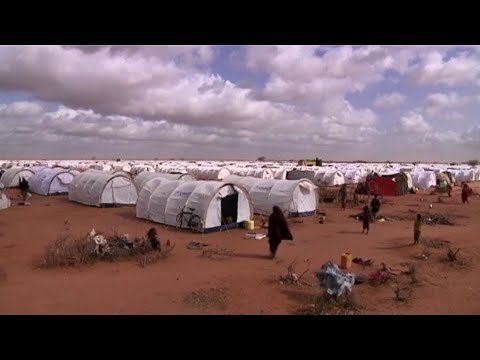
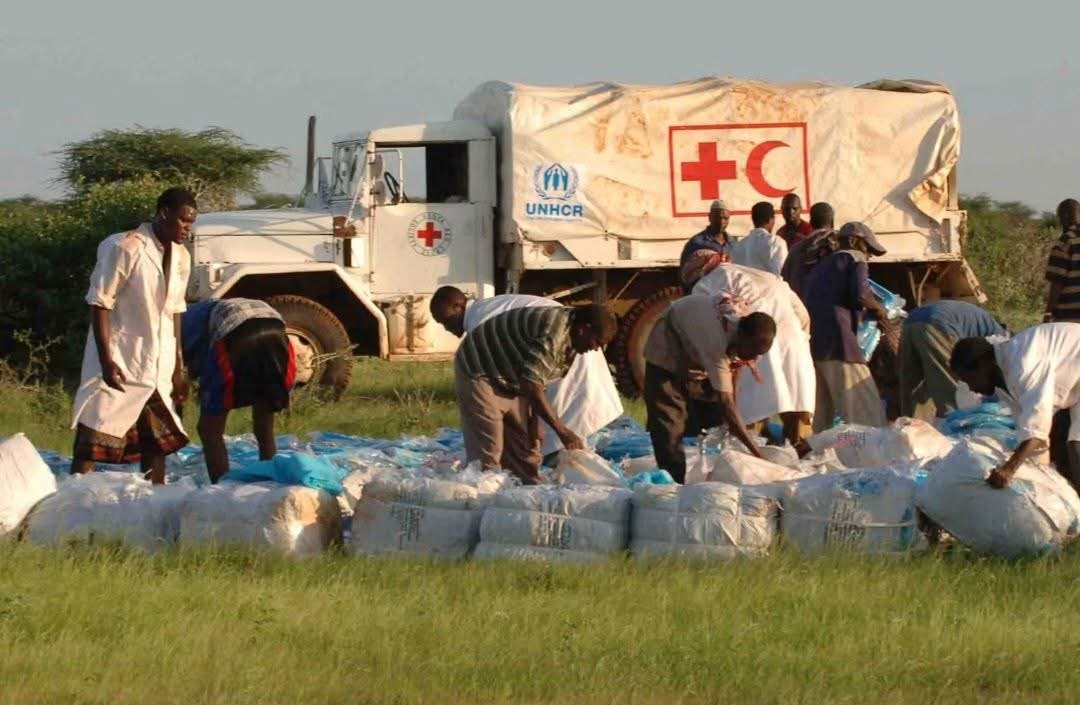
For decades, refugee affairs in Kenya have been managed through semi-permanent camps coordinated between the government and the UN High Commissioner for Refugees (UNHCR). The new plan proposes a shift toward a government-led model in which refugee-hosting areas are transformed into county-administered municipalities.
Under the proposed system, refugees would no longer be confined to isolated camps but would be progressively integrated into surrounding communities, labour markets, and public service systems. Authorities say the goal is to reduce long-term dependency on humanitarian aid while promoting self-reliance and shared economic development for both refugees and host communities.
The initiative is anchored in Kenya’s Refugee Act of 2021, which provides a legal framework for improved protection and socio-economic inclusion of refugees, including access to work permits, education, business opportunities, and essential services under regulation.
The Shirika Plan builds on earlier pilot programmes, including the Kalobeyei Integrated Socio-Economic Development Plan in Turkana County and the Garissa Integrated Socio-Economic Plan. These projects were designed to demonstrate how refugee inclusion in local development planning can expand markets, improve infrastructure, and generate employment opportunities for both refugees and host communities.
Under the proposed reforms, refugee settlements would be gradually converted into formal municipalities under county government administration, with local authorities taking a leading role in governance, planning, and service delivery, supported by humanitarian and development partners.
The plan also outlines significant investment in infrastructure across refugee-hosting regions, including roads, water systems, healthcare facilities, and education infrastructure such as schools and vocational training centres.
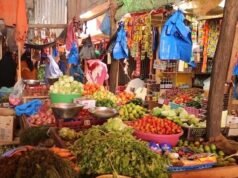
Officials say the reforms are intended to promote economic participation by refugees in small and medium enterprises, agriculture, livestock production, and cross-border trade, alongside access to skilled and unskilled labour markets.
The policy reflects a broader global shift toward long-term development-based approaches to forced displacement, particularly in countries hosting large and protracted refugee populations.
If implemented, the Shirika Plan would mark one of the most ambitious attempts in Africa to transform refugee camps into integrated urban and economic centres.