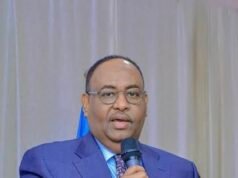
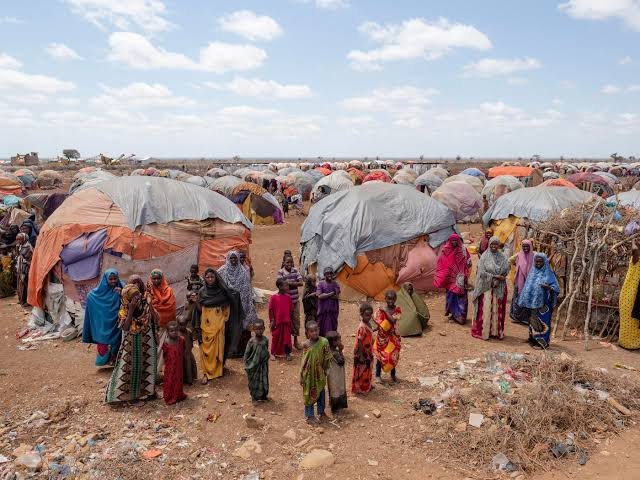
MOGADISHU – Somalia’s capital, Mogadishu, is currently hosting more than 45,000 foreign refugees from Africa and the Middle East, according to the Chairman of Somalia’s National Commission for Refugees and Internally Displaced Persons (NCRI), Liban Abdi Egal.
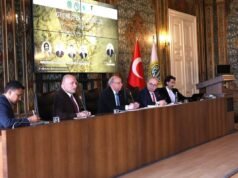
Speaking during a refugee affairs event in Mogadishu, Egal said the city is home to approximately 45,500 registered foreign refugees who have fled conflict, insecurity, economic hardship and humanitarian crises in their countries of origin.
“Mogadishu is currently hosting 45,500 foreign refugees who have come from Yemen, Palestine, Ethiopia, Syria, Sudan and Tanzania,” Egal said.
The announcement highlights a rarely discussed aspect of migration in the Horn of Africa, where Somalia is often viewed primarily as a country of origin for refugees rather than a destination for people seeking protection and better opportunities.
According to refugee officials, communities from Ethiopia’s Oromo region, Zanzibar and Palestine formed some of the earliest refugee populations in Mogadishu. Their presence in the city predates conflicts that later displaced millions of people across the Middle East.
However, the profile of refugees living in Somalia has changed significantly over the past decade following wars and humanitarian crises in Yemen, Syria and Sudan. Large numbers of people fleeing violence and instability in those countries have sought refuge in Somalia, particularly in Mogadishu.
Yemeni refugees began arriving in Somalia in significant numbers after the outbreak of civil war in Yemen in 2015. Many crossed the Gulf of Aden to reach Somalia, reversing a migration pattern that had previously seen Somalis fleeing in the opposite direction during their country’s decades-long conflict.
The arrival of foreign refugees in Somalia presents a striking contrast to the experiences of many Somalis who continue to seek asylum and economic opportunities abroad. Thousands of Somalis remain refugees in neighboring countries and beyond, including in Kenya’s Dadaab and Kakuma refugee camps, Uganda, Ethiopia and several Western nations.
Humanitarian agencies estimate that Somali refugees and asylum seekers are spread across Africa, the Middle East, Europe and North America, having fled years of armed conflict, drought, political instability and economic challenges.
Officials say Somalia remains committed to providing protection and support to refugees despite facing its own humanitarian and development challenges, including internal displacement, climate-related disasters and security threats.
The National Commission for Refugees and IDPs said it is working with international partners to improve services for refugees and strengthen protection mechanisms for vulnerable communities living in Somalia.