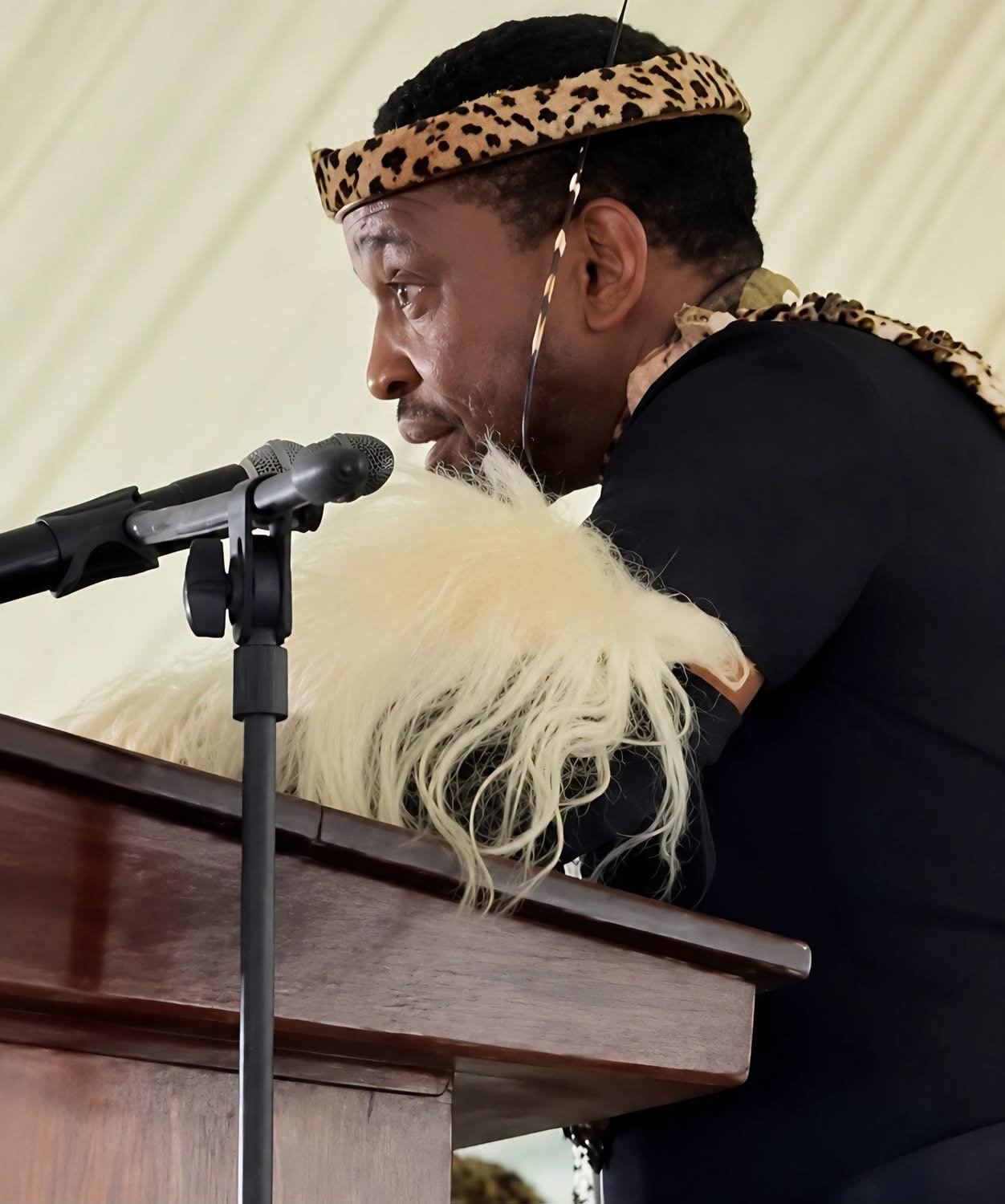
JOHANNESBURG — Zulu King Misuzulu kaZwelithini has criticized hostility toward migrants from neighboring African countries, saying it pains him to see Zimbabweans and other Nguni-speaking peoples being targeted in South Africa.
Speaking during a public address, the monarch reportedly questioned why some members of the Zulu community were directing anger toward people from Zimbabwe, Eswatini, Zambia and Malawi, countries with deep historical and cultural ties to the Zulu nation.
“It pains me to see Zimbabweans being chased away,” the king said, according to local media reports. “The descendants of King Mzilikazi are my people. His children are my children.”
King Mzilikazi, a former lieutenant of the Zulu King Shaka, founded the Ndebele kingdom in what is now Zimbabwe during the 19th century. Many Ndebele people trace their roots to the Zulu kingdom, sharing linguistic, cultural and historical connections with South Africa’s largest ethnic group.
Misuzulu emphasized that many communities across Southern Africa share common ancestry and heritage, arguing that divisions based on nationality undermine longstanding regional bonds.
“Why are you fighting my Nguni people?” the king reportedly asked, referring to communities in Zimbabwe, Eswatini, Zambia and Malawi that share cultural and linguistic links with the Zulu nation.
The remarks come at a time of heightened debate over immigration in South Africa, where anti-immigrant demonstrations have recently been held by groups calling for stricter action against undocumented foreign nationals. Organizers argue that illegal immigration places pressure on jobs, housing and public services, while critics warn that such campaigns risk fueling xenophobia.
South Africa has experienced several waves of anti-foreigner violence since the end of apartheid, with migrants from Zimbabwe, Mozambique, Somalia, Ethiopia and other African countries frequently among those affected.
Human rights organizations have welcomed calls for tolerance and coexistence, warning that migrants and refugees are often unfairly blamed for broader economic and social challenges facing the country.
While King Misuzulu does not hold executive political authority, he remains one of South Africa’s most influential traditional leaders, representing millions of Zulu people, particularly in KwaZulu-Natal province.
His comments are likely to resonate across the region, where migration, shared ethnic identities and cross-border family ties have long linked communities despite modern national boundaries.
The king’s intervention highlights the growing tension between rising anti-immigrant sentiment and appeals for African solidarity, as South Africa continues to grapple with the complex challenges of migration, unemployment and social cohesion.