JOHANNESBURG — A South African elderly woman has spoken out about the unintended economic consequences of anti-immigrant campaigns, revealing that all of her foreign tenants were forced to leave before paying their rent, leaving her struggling to cover essential household expenses.
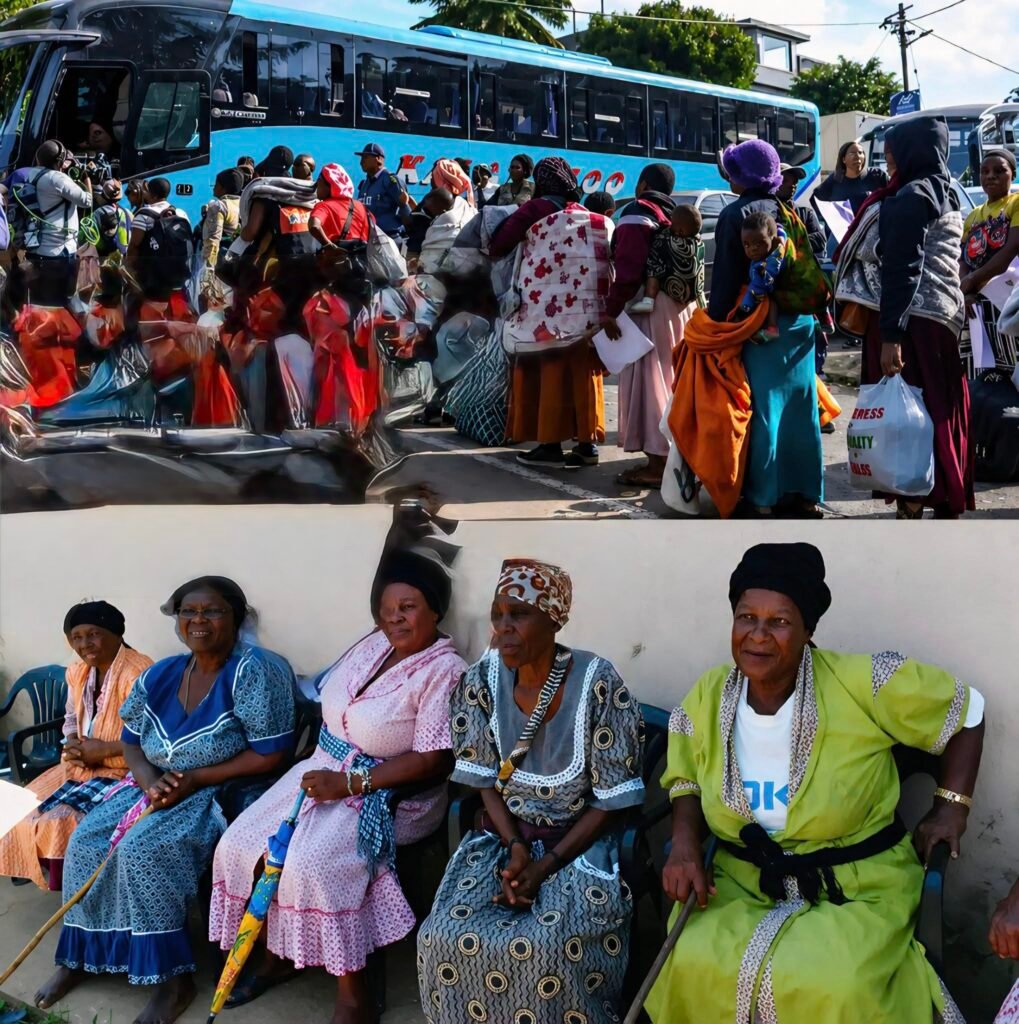
The woman said the departure of her tenants has had a devastating impact on her daily life and financial stability.
“All our foreign tenants were chased away. They left before paying rent, and now we don’t know how we will afford water and electricity bills, or even buy food,” she said.
Her remarks come amid ongoing debates over immigration, unemployment, and economic hardship in South Africa. In recent months, some anti-immigrant groups have organized demonstrations and campaigns calling for the removal of undocumented foreign nationals, arguing that doing so would create more jobs and business opportunities for South African citizens.
However, critics argue that such actions often have broader economic consequences that affect local communities as well. Many South Africans rely on migrant tenants, customers, employees, and business partners for their livelihoods. Landlords, property owners, shopkeepers, transport operators, and informal traders have reported losing income as foreign residents leave certain communities or close their businesses.
The elderly woman’s experience highlights the complex economic relationships that exist between South Africans and migrant communities. In many neighborhoods, foreign nationals rent accommodation, purchase goods and services, operate small businesses, and contribute to local economic activity. Their sudden departure can leave property owners with unpaid rent, vacant rooms, and reduced household income.
At the same time, many residents have expressed concern over the rising cost of living. The prices of food, transportation, electricity, and other essential goods and services have continued to place pressure on households already struggling with unemployment and economic uncertainty. Some community members argue that targeting foreign nationals does little to address these underlying challenges.
Economists and social commentators have frequently pointed out that South Africa’s economic difficulties stem from multiple factors, including high unemployment, slow economic growth, energy shortages, infrastructure constraints, crime, and broader global economic pressures. They argue that lasting solutions require addressing these structural issues rather than focusing blame on a single group.
Human rights organizations, religious leaders, and community groups have also renewed calls for peaceful coexistence, warning that xenophobia can fuel social division, violence, and economic disruption. They stress that both South Africans and foreign nationals often face similar struggles related to poverty, unemployment, and access to opportunities.
The woman’s comments have resonated with many people online, with some saying they demonstrate how anti-immigrant actions can affect not only migrants but also ordinary South Africans who depend on them economically. Others have called for greater dialogue and practical solutions aimed at improving living conditions for all residents, regardless of nationality.
As the national conversation on immigration continues, the experiences of individuals such as this elderly woman are increasingly shaping public debate about the economic and social consequences of xenophobia and the need for inclusive approaches to South Africa’s challenges.