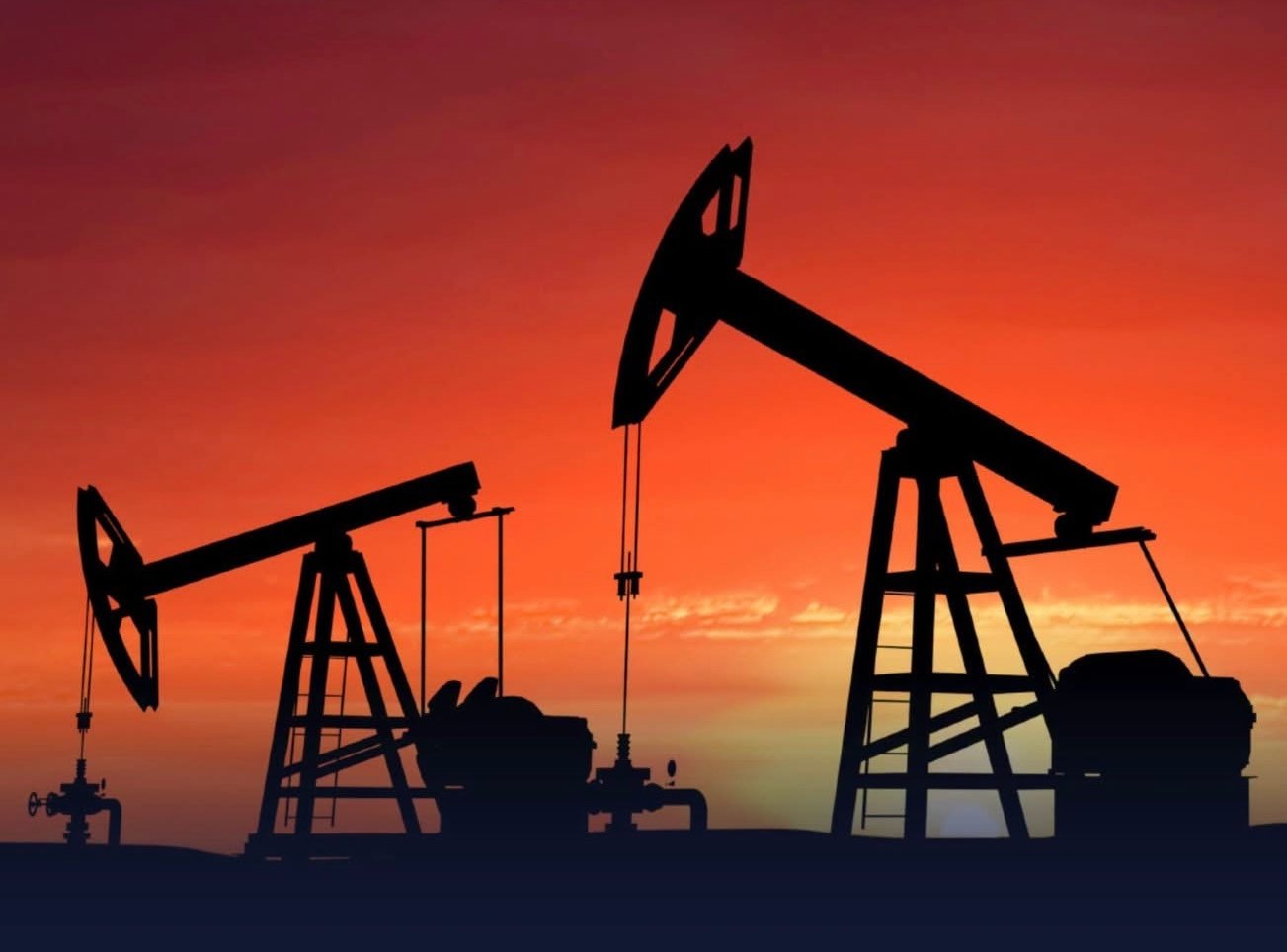
MOGADISHU — The Federal Government of Somalia has announced plans to officially begin oil exploration and drilling activities at the Holhol well in northeastern Somalia, marking another step in the country’s efforts to develop its natural resources sector and attract investment.
According to the Ministry of Petroleum and Mineral Resources, an agreement has been reached with a Somali company tasked with conducting exploration and drilling operations at the site. Officials said preparatory work and technical assessments are expected to begin in the near future before full-scale drilling commences.
The Holhol well is among several sites that were initially explored during Somalia’s former military government. Geological assessments have long suggested the area may contain commercially viable hydrocarbon reserves, although further studies and drilling will be required to determine the scale and economic potential of the resource.
Mohamed Hashi Arabey, Director General of the Ministry of Petroleum and Mineral Resources, said the project forms part of the government’s broader strategy to unlock Somalia’s natural resource potential and support long-term economic growth.
“The exploration and drilling of the Holhol well represent an important milestone in our efforts to develop Somalia’s energy sector and utilize the country’s natural resources for economic development,” Arabey said.
Government officials also stated that local communities are expected to benefit from the project through job creation, infrastructure development, and increased economic activity. The project is anticipated to generate both direct and indirect employment opportunities during the exploration, drilling, and operational phases.
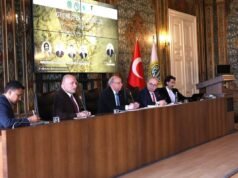
Holhol is expected to become the second major oil project to move forward under Somalia’s current resource development plans, following activities at the Curad well in Galmudug, where Türkiye has been involved in exploration efforts.
Energy analysts say Somalia possesses significant untapped hydrocarbon potential and could emerge as a future oil-producing nation if commercially viable reserves are confirmed. However, they caution that successful resource development will depend on effective governance, transparency, environmental safeguards, and equitable revenue-sharing mechanisms.
Experts also warn that many resource-rich countries have faced challenges commonly referred to as the “resource curse,” where poor governance, corruption, and political disputes have undermined the economic benefits of oil and mineral wealth.
If managed responsibly, Somalia’s natural resources could help accelerate economic growth, reduce poverty, improve infrastructure, and increase investment in essential public services such as education, healthcare, and security. However, analysts note that failure to ensure transparency and accountability could lead to new political tensions and disputes over resource management.
As Somalia seeks to expand its energy sector, the success of projects such as Holhol will likely be closely watched by investors, policymakers, and local communities as indicators of the country’s ability to transform its natural resource wealth into sustainable economic development.