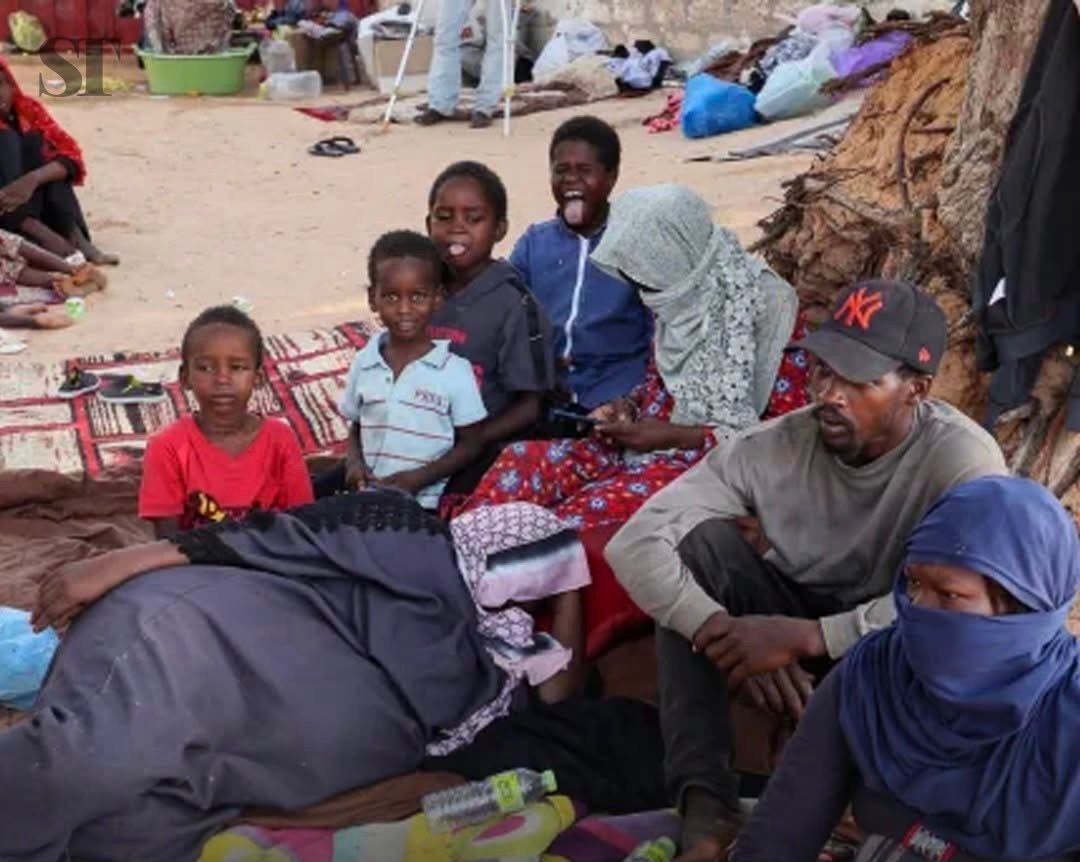
TRIPOLI – Sudan and Libya have reached a new agreement to facilitate the voluntary return of Sudanese nationals who fled the conflict in Sudan and sought refuge in Libya. The repatriation program will allow returnees to travel through Egypt’s Salloum border crossing before continuing their journey back to Sudan.
Sudan’s Civil Committee for Voluntary Return said preparations for the operation are in their final stages, with the first groups of Sudanese expected to begin returning in the coming days. The initiative aims to provide a safe and organized pathway for displaced families who wish to return home after months or years of displacement in Libya.
Officials said the arrangement is part of wider regional efforts to support Sudanese refugees affected by the war that erupted in April 2023 between the Sudanese Armed Forces (SAF) and the Rapid Support Forces (RSF). The conflict has forced millions of people to flee their homes, creating one of the largest displacement crises in the world.
The committee noted that the Libya operation follows the successful voluntary return of more than 1,100 Sudanese citizens from Egypt, who were transported back to Sudan aboard 24 buses. Building on that experience, authorities are now extending similar arrangements to Sudanese communities living in Libya.
Priority under the program will be given to vulnerable groups, including elderly people, individuals with medical conditions, women, children, and families facing difficult living conditions abroad. Officials said the process will focus on ensuring safe transportation, border coordination, and dignified treatment of returnees.
The repatriation effort comes as a growing number of Sudanese refugees in neighboring countries have expressed a desire to return despite the continuing humanitarian and security challenges inside Sudan.
Humanitarian organizations have warned that many returnees are arriving in areas where infrastructure has been severely damaged by the conflict. In parts of Sudan, particularly Khartoum, families are facing destroyed homes, limited healthcare services, disrupted education, and shortages of basic necessities.
Despite these challenges, some displaced Sudanese say they are choosing to return because of difficult conditions in host countries, family reunification needs, and hopes that stability will gradually improve in their communities.
The Sudanese government has called on international organizations and humanitarian partners to support reintegration efforts by providing assistance in housing, healthcare, food security, and livelihood recovery.
The new Sudan-Libya repatriation route through Egypt’s Salloum crossing represents another step in regional cooperation to address the consequences of Sudan’s prolonged conflict and assist citizens seeking to rebuild their lives at home.