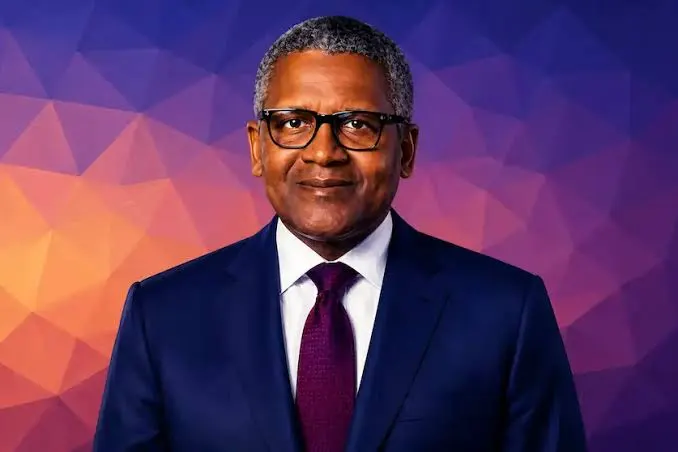
Source: The Cable
ABUJA – Africa’s richest businessman, Aliko Dangote, has criticized the travel restrictions that many African citizens face across the continent, questioning why holders of British passports can often move more freely between African countries than Africans themselves.
Speaking on the importance of regional integration and economic cooperation, Dangote said the continent’s fragmented visa systems and border controls continue to undermine efforts to boost trade, investment, and development. He argued that while African leaders frequently speak about economic unity, practical barriers to movement remain a major obstacle to achieving that goal.
According to Dangote, entrepreneurs, investors, and professionals often encounter lengthy visa procedures, high travel costs, and administrative hurdles when attempting to conduct business in neighboring African countries. These restrictions, he said, discourage investment, limit business expansion, and reduce opportunities for collaboration among African nations.
The Nigerian industrialist noted that foreign passport holders from countries such as the United Kingdom can in some cases access a larger number of African states with fewer restrictions than African citizens. He described the situation as a contradiction to the continent’s ambitions of promoting regional integration and economic self-reliance.
Dangote stressed that improving the movement of people, goods, and services is essential if Africa is to fully benefit from its population of more than 1.4 billion people and its vast natural and economic resources. He said African economies remain too isolated from one another despite sharing common development goals and participating in regional economic blocs.
He further argued that easier cross-border travel would encourage greater investment, increase tourism, support innovation, and create new opportunities for young entrepreneurs across the continent. Reducing visa barriers, he said, would also help African businesses compete more effectively in global markets by making regional supply chains more efficient.
Dangote’s remarks come as African governments continue to pursue deeper economic integration through the African Continental Free Trade Area (AfCFTA), the world’s largest free-trade area by number of participating countries. The agreement aims to increase intra-African trade, strengthen industrial development, and create a single market for goods and services across the continent.
However, analysts have noted that while progress has been made in reducing trade barriers, restrictions on the movement of people remain a significant challenge. Many business leaders and policy experts argue that the success of AfCFTA will depend not only on trade reforms but also on making it easier for Africans to travel, work, and invest across borders.
Dangote’s comments have added momentum to calls for African governments to accelerate visa reforms and fully implement agreements designed to promote the free movement of people. Supporters of such reforms believe that greater mobility could play a key role in unlocking the continent’s economic potential and strengthening ties among African nations.