KHARTOUM – As Sudan’s devastating civil war continues to cause widespread destruction, displacement, and economic collapse, China is increasing its engagement with the country’s resource sector, raising debate over the future of Sudan’s natural wealth and foreign partnerships.
The conflict, which began in 2023 between the Sudanese Armed Forces (SAF) and the Rapid Support Forces (RSF), has killed tens of thousands of people and forced more than 10 million Sudanese from their homes, creating one of the world’s largest humanitarian crises.
Amid the instability, China has moved to strengthen its economic position in Sudan. In June 2026, Beijing reportedly canceled $50 million in Sudanese debt, a move presented as financial support for a country facing severe economic hardship.
However, analysts have noted that the debt relief represents only a small portion of Sudan’s overall obligations to China, with Sudan reportedly owing Beijing more than $5 billion. The country’s economy has also suffered a major decline since the outbreak of war, shrinking by around 40% as fighting disrupted trade, production, and investment.
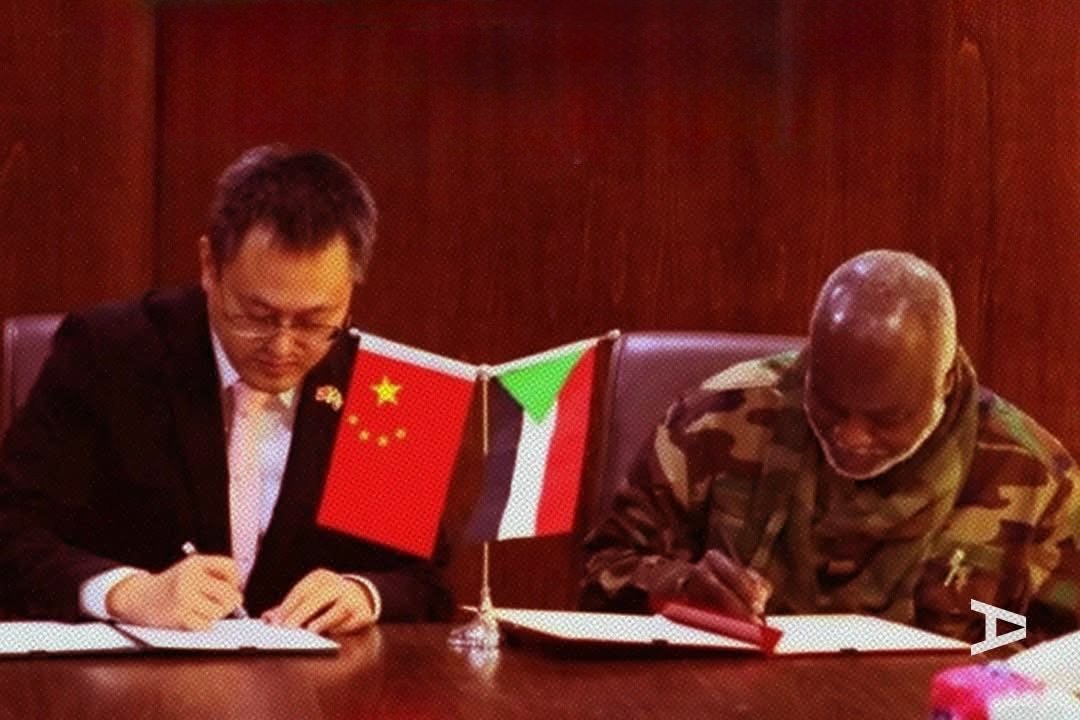
Shortly after the debt announcement, reports emerged that Sudan was negotiating a major copper mining agreement with a Chinese company in Red Sea State. The proposed deal reportedly involves a 30-year mining concession, with Sudan expected to retain around 30% of profits from the project, estimated at approximately $300 million.
Some reports have raised concerns that Sudan’s share of the revenue could be reduced further if earnings from the project are first directed toward repaying existing financial obligations to China.
The reported agreement has faced criticism from Sudanese civil society groups and regional organizations, including the Eastern Sudan Advisory Council, which have called for the deal to be suspended until there is greater transparency, public consultation, and independent oversight.
Critics argue that Sudan’s weakened economic position and ongoing conflict could leave the country vulnerable to agreements that provide foreign partners with long-term access to valuable natural resources while offering limited benefits to ordinary Sudanese citizens.
Supporters of closer cooperation with China, however, argue that foreign investment could help rebuild Sudan’s economy, create jobs, and provide much-needed revenue during a period when many international investors have withdrawn due to the war.
China’s involvement in Sudan reflects a broader pattern of Beijing’s economic engagement across Africa, where it has provided infrastructure financing, investment, and debt restructuring while securing access to strategic resources. Similar debates have taken place over Chinese mining agreements in countries such as the Democratic Republic of Congo, particularly in the copper and cobalt sectors.
With many Western countries limiting engagement with Sudan’s military authorities due to the ongoing conflict and political concerns, China remains one of the few major global powers maintaining significant economic ties with the country.
The debate over Sudan’s resources is therefore becoming increasingly linked to questions of sovereignty, transparency, and how the country will rebuild after the war. As fighting continues, Sudan faces the challenge of attracting investment while ensuring that its natural resources benefit the wider population rather than becoming a source of long-term dependency.
Source: Analysis based on reports regarding Sudan’s debt, mining negotiations, and China-Africa economic relations