
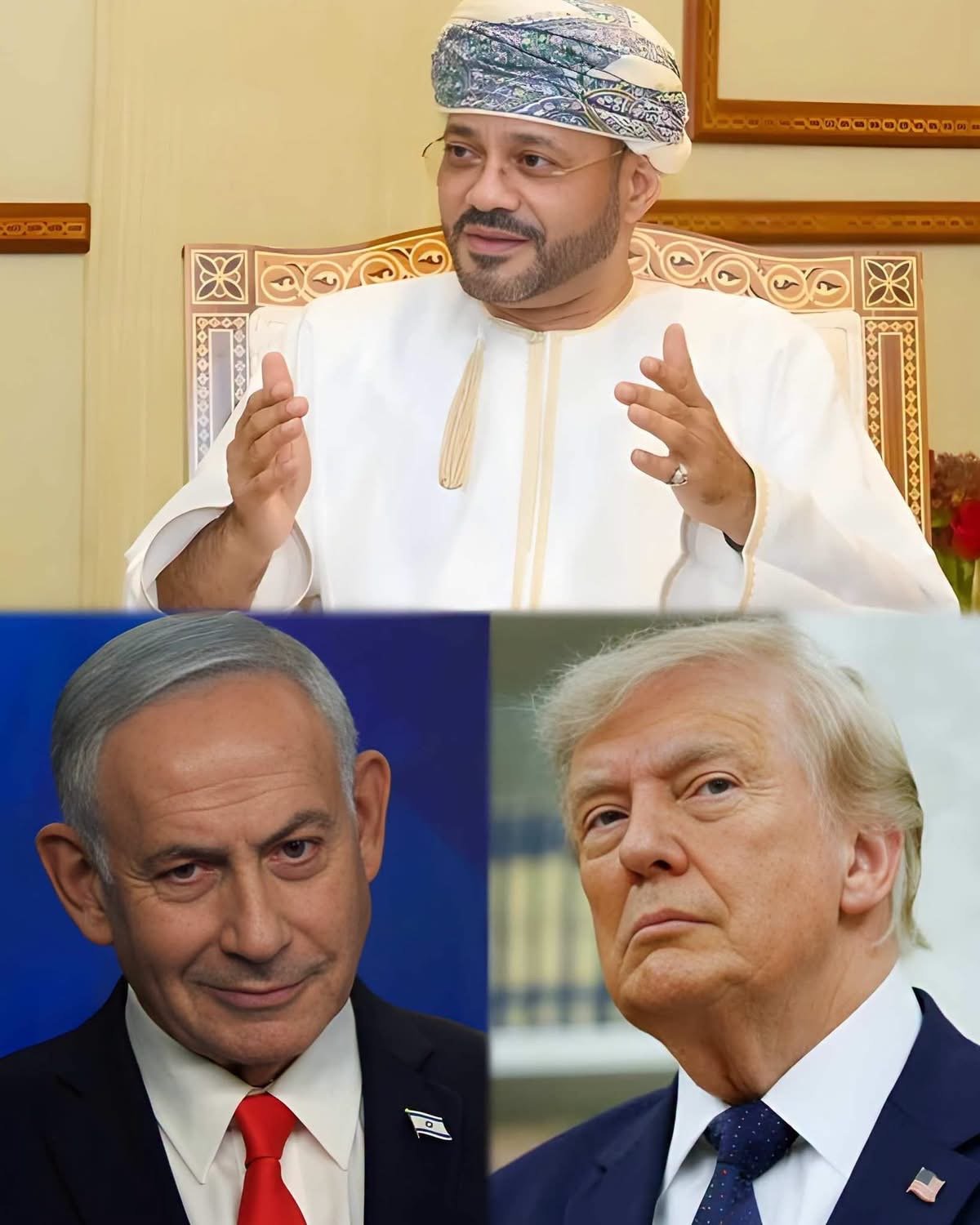
MUSCAT – Oman’s Foreign Minister, Sayyid Badr bin Hamad Al Busaidi, has called on Gulf nations to re-evaluate their regional security strategy and reconsider the nature of their long-standing security relationships with the United States amid shifting geopolitical realities in the Middle East.
Speaking on regional security and stability, Al Busaidi said the Gulf Cooperation Council (GCC) countries should draw lessons from current developments and adopt a broader, future-oriented approach to safeguarding regional peace and prosperity.
According to the Omani foreign minister, security policies across the Gulf have for decades been shaped by the perception that Iran represented the primary threat to regional stability. He argued that this narrative contributed to extensive military spending, defense cooperation agreements, and the acquisition of advanced weapons systems throughout the region.
“For the past 45 years, a narrative has been promoted that Iran is the greatest threat to the region,” Al Busaidi said. “That perception has been used as a justification for the extraordinary militarization and arms buildup across the Gulf states.”
However, he suggested that the regional security environment has undergone significant changes and that Gulf countries should reassess their strategic assumptions in light of recent events.
“The reality today is that the greatest threat no longer comes from Iran, but from Israel,” he stated, urging regional leaders to carefully evaluate ongoing developments and prepare for future challenges.
The remarks come at a time of heightened tensions across the Middle East, including conflicts involving Israel, Iran, and several regional actors. Growing instability has sparked renewed debate among policymakers and analysts over the effectiveness of existing security arrangements and the role of external powers in maintaining regional balance.
Oman has traditionally pursued a policy of neutrality and dialogue, often acting as a mediator between rival states and advocating diplomatic solutions to regional disputes. The Sultanate has maintained constructive relations with both Western countries and regional powers, including Iran, positioning itself as a key channel for communication during periods of tension.
Political analysts say Al Busaidi’s comments could intensify discussions within Gulf capitals regarding future defense priorities, strategic autonomy, and the extent to which regional security should continue to rely on external military partnerships. The remarks may also contribute to broader conversations about the future of Gulf-U.S. relations, which have served as a cornerstone of regional security architecture for decades.
While no immediate policy changes have been announced, the foreign minister’s statements are likely to draw significant attention across the Middle East, as they challenge long-standing assumptions that have shaped Gulf security policy for generations.
The comments are expected to generate reactions from regional governments, security experts, and international partners as debates continue over the evolving balance of power in one of the world’s most strategically important regions.