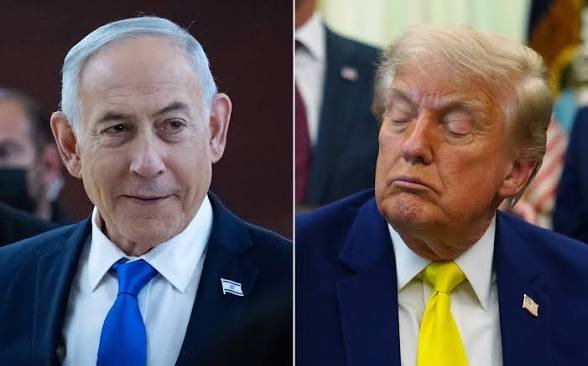
WASHINGTON — U.S. President Donald Trump has called on Israel to withdraw from parts of Syria and southern Lebanon, a move that could increase diplomatic pressure on Israel and raise questions over future security arrangements in the Middle East.
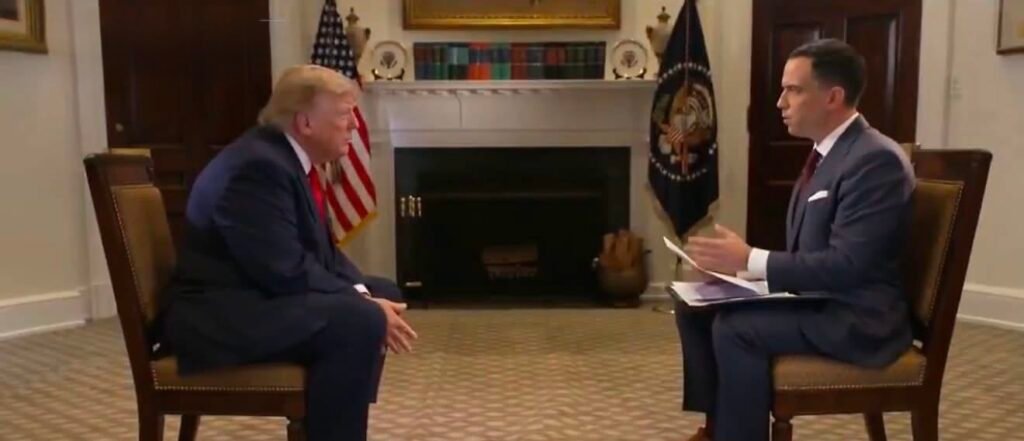
In an interview released by Fox News, Trump said Israel should leave Syrian territory and areas of southern Lebanon, while suggesting that Syria’s new leadership under President Ahmed al-Sharaa could take a greater role in addressing security challenges linked to Hezbollah.
Trump said al-Sharaa could handle the Hezbollah issue more cautiously than Israel’s current military approach, but he did not provide details on how Syria would operate in southern Lebanon or confront Hezbollah, a powerful political and armed group with decades of combat experience.
The comments come as regional tensions remain high, with Israel maintaining military operations and positions in areas it considers vital for its national security. Israeli officials have repeatedly said their actions are aimed at preventing attacks and limiting the influence of Iran-backed armed groups, including Hezbollah.
Trump’s remarks carry particular significance because he has traditionally been viewed as one of Israel’s strongest supporters among recent U.S. presidents. During his previous administration, Trump recognized Jerusalem as Israel’s capital and backed several key Israeli policies.
Analysts say any change in Trump’s position could create political pressure on Israel, especially if Washington pushes for greater reliance on regional governments rather than Israeli military operations.
However, experts note that an Israeli withdrawal would depend on security guarantees, including preventing Hezbollah from expanding its military influence and ensuring stability along Israel’s borders.
The possibility of Syria taking a leading role against Hezbollah also raises major questions. While some Syrians oppose Hezbollah’s past involvement in Syria, the group remains one of the region’s most experienced armed organizations, with significant military capabilities.
A direct confrontation between a new Syrian government and Hezbollah would present serious challenges, including questions over military strength, political stability, and regional alliances.
Observers say Trump’s comments could signal an attempt to reshape security dynamics in the Middle East, but it remains unclear whether they represent a formal policy shift or a negotiating position.
For Israel, the remarks could become a new diplomatic challenge as it balances security concerns with pressure from international partners. For Syria, any expanded regional role would test the authority and influence of its new leadership