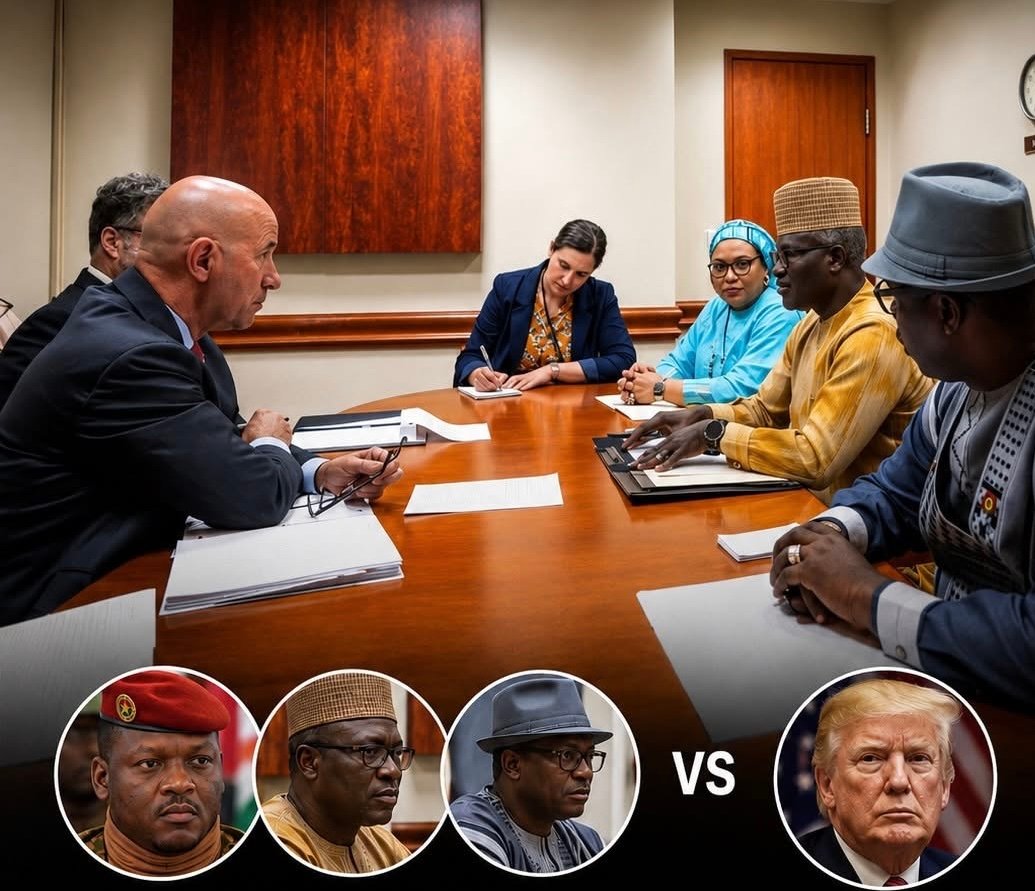
WASHINGTON – The United States has launched a renewed diplomatic push to strengthen relations with the countries of the Alliance of Sahel States (AES), sending senior officials and envoys to engage with Burkina Faso, Mali, and Niger as competition for influence in the strategic region intensifies.
The diplomatic outreach comes as Washington seeks to repair strained relations with military-led governments that have distanced themselves from traditional Western partners and moved closer to alternative allies, particularly Russia.
The Sahel, a vast semi-arid region stretching across West Africa, has become a major geopolitical battleground in recent years, shaped by security challenges, political instability, resource competition, and growing rivalry between global powers.
US officials and analysts say renewed engagement is aimed at maintaining dialogue, supporting regional stability, and identifying areas where cooperation remains possible despite significant political differences. Washington has emphasized diplomacy, development partnerships, counterterrorism cooperation, and humanitarian assistance as key elements of its approach.
The three AES members — Burkina Faso, Mali, and Niger — formed their alliance after a series of military coups that brought new leaderships to power and accelerated a shift away from France and other Western partners. The governments have promoted policies centered on national sovereignty, security independence, and stronger partnerships with countries outside the traditional Western sphere.
Russia has expanded its presence in the Sahel through security cooperation, diplomatic engagement, and military partnerships. Moscow has positioned itself as a partner willing to work with governments that have faced international criticism and sanctions, while some Sahel leaders have praised Russia for offering alternatives to previous security arrangements.
The United States, however, remains concerned about the long-term strategic implications of Russia’s growing influence in a region considered critical for international security, migration routes, energy interests, and access to important natural resources.
A senior diplomatic source familiar with the discussions said Washington recognizes that rebuilding trust with Sahel governments will require a different approach focused on mutual interests, respect for sovereignty, and practical cooperation rather than previous models of engagement.
“The relationship with the Sahel cannot be based only on security priorities. It must also address economic development, governance, trade, and the aspirations of local populations,” analysts following the region have noted.
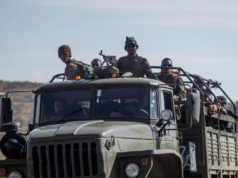
Security remains a central issue in the region, where armed groups linked to extremist organizations continue to operate across parts of Mali, Burkina Faso, and Niger. Despite years of international military involvement, insecurity has expanded in several areas, contributing to displacement, humanitarian crises, and economic disruption.
The AES governments have argued that their new partnerships are necessary because previous international strategies failed to deliver lasting security. They have sought greater control over military operations and have reduced cooperation with some Western-led initiatives.
However, analysts warn that reliance on any single external power carries risks. Some regional observers argue that Sahel countries could benefit from maintaining balanced relationships with multiple partners, including the United States, Russia, China, and regional organizations, while ensuring that foreign cooperation serves national priorities.
The renewed US engagement raises questions about the future direction of the Sahel’s foreign policy. While Washington hopes to restore strategic partnerships, AES leaders are expected to continue emphasizing independence and a multipolar international approach.
The coming months will likely determine whether the United States can rebuild meaningful cooperation with the Sahel states or whether Russia and other emerging partners will continue expanding their influence in one of Africa’s most strategically important regions.