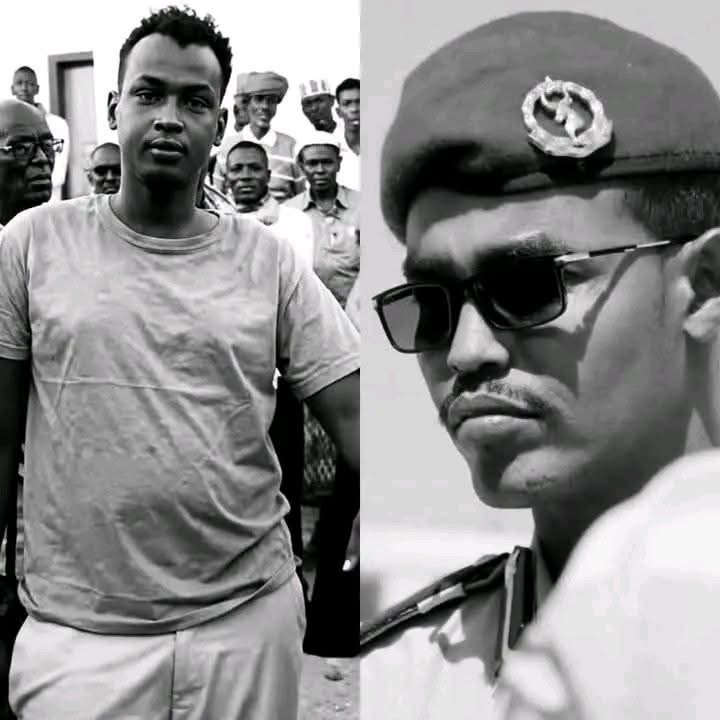
JARIIBAN — Puntland authorities on Friday carried out the execution of Ibrahim Ahmed Kooshin, who was convicted of killing Police Commander Guuleed Abdulkadir Kadleeye, the head of Jariiban District Police Station in Somalia’s Mudug Region.
The execution was conducted under the qisas (retaliatory justice) system, under which the family of a murder victim may seek punishment or grant forgiveness in accordance with Islamic principles. In this case, the late commander’s family approved the execution following consultations and the completion of the legal process.
The sentence was carried out in a public area in Jariiban in the presence of Puntland officials, security officers, traditional elders, religious leaders, and members of the local community. Relatives from both families also attended the final proceedings.
The ruling came less than 48 hours after Commander Kadleeye was killed, making it one of the fastest qisas cases reported in Puntland in recent years. Local officials and community elders said the swift resolution was intended to deliver justice and prevent possible tensions between the two families.
The case attracted particular attention because the two men were reportedly close relatives. Following the killing, elders from both sides played a role in facilitating discussions and ensuring that the matter was handled through the established justice process.
Speaking after the execution, the mother of the late commander said she accepted the outcome and felt that her son had received justice.
“I remain patient, but today my son has received justice,” she told local media.
Commander Guuleed Abdulkadir Kadleeye was buried on Wednesday in Jariiban during a large funeral attended by Puntland officials, security personnel, relatives, and hundreds of residents who gathered to pay their respects.
Religious leaders and community figures called for peace and reconciliation after the execution, offering prayers for both deceased men and expressing condolences to their families.
The case has renewed attention on the role of qisas and traditional justice mechanisms in Somalia, where religious and customary systems continue to operate alongside formal state courts in addressing serious crimes.