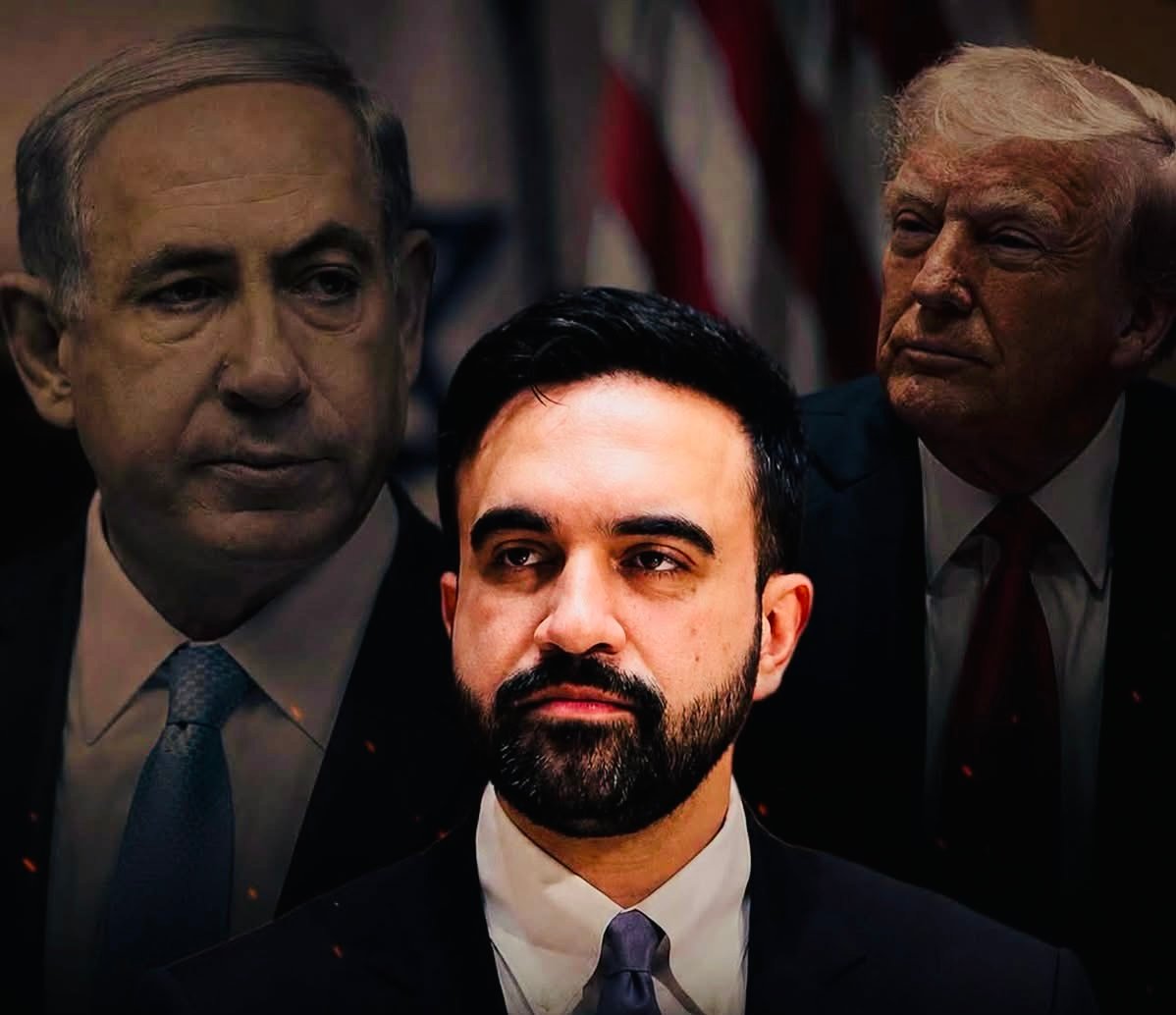
WASHINGTON – U.S. President Donald Trump said Monday that Israeli Prime Minister Benjamin Netanyahu would not face arrest while visiting the United States, pushing back against calls by New York City Mayor Zohran Mamdani to enforce an International Criminal Court (ICC) warrant against the Israeli leader.
Trump, writing on his Truth Social platform, said Netanyahu would “not be arrested in any way, shape, or form” on American soil, underscoring Washington’s opposition to the ICC’s efforts to prosecute the Israeli prime minister.
The comments came after Mamdani reaffirmed his position that international arrest warrants should be respected and enforced, regardless of the status of the individual concerned.
“Netanyahu, as Prime Minister of Israel, is responsible for what I view as the genocide of Palestinians in Gaza,” Mamdani said. “If the International Criminal Court has issued an arrest warrant for someone accused of those crimes, that warrant should be executed.”
The exchange highlights growing political divisions in the United States over Israel’s military campaign in Gaza, which has drawn mounting international scrutiny and sparked widespread protests in several countries.
At the center of the dispute are arrest warrants issued by the ICC in 2024 for Netanyahu and former Israeli Defense Minister Yoav Gallant on allegations of war crimes and crimes against humanity linked to the Gaza war. The court’s move marked an unprecedented legal challenge against Israel’s top leadership.
Israel has strongly rejected the accusations, describing them as politically motivated and insisting that its military actions are carried out in accordance with international law. Israeli officials have also argued that the ICC lacks jurisdiction over the country and its citizens.
The United States, which is not a member of the Hague-based court, has long opposed ICC jurisdiction over U.S. nationals and officials of key allies. Successive American administrations have questioned the court’s authority and resisted efforts to apply its rulings within the United States.
Legal experts note that any attempt to execute an ICC arrest warrant in the United States would face significant legal and political obstacles. Foreign policy and treaty obligations fall under federal authority, leaving local governments with little power to independently enforce international court decisions.
The issue is expected to remain in focus ahead of Netanyahu’s anticipated visit to New York later this year for the United Nations General Assembly, where renewed debate over the Gaza conflict, international accountability, and the role of the ICC is likely to take center stage.
The controversy comes amid continuing international pressure over the humanitarian situation in Gaza, with calls from rights groups and some governments for greater accountability for actions committed during the conflict.