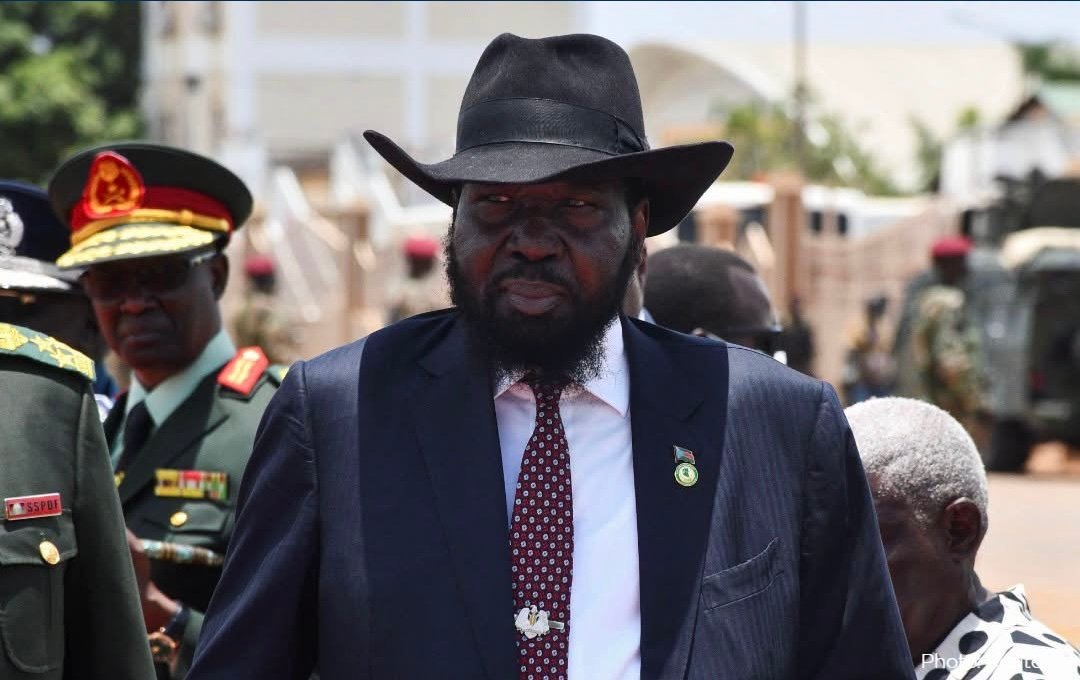
JUBA — South Sudanese President Salva Kiir has dismissed Central Bank Governor Johnny Ohisa and appointed former governor Addis Ababa Othow to lead the country’s monetary authority, in the latest reshuffle of senior government officials as the nation confronts mounting economic challenges.
The appointment was announced in a presidential decree broadcast on state television late Wednesday. The government did not provide an official explanation for Ohisa’s removal or Othow’s reappointment.
Othow, who previously served as governor of the Bank of South Sudan before being dismissed last year, returns to the post at a time when the country is grappling with soaring inflation, a weakening national currency, declining foreign exchange reserves, and persistent fiscal pressures that have strained public finances.
The central bank faces the difficult task of stabilizing the South Sudanese pound, maintaining confidence in the financial system, and managing monetary policy amid an increasingly fragile economic environment. South Sudan’s economy remains heavily dependent on crude oil exports, which account for the vast majority of government revenue and foreign currency earnings.
Economic conditions have been further complicated by disruptions to oil exports caused by the conflict in neighboring Sudan, through which South Sudan transports its crude to international markets. The interruptions have reduced government revenues, increased budgetary pressures, and contributed to currency volatility and rising living costs.
Kiir has regularly reshuffled senior government and security officials in recent years as his administration seeks to address economic difficulties, implement governance reforms, and preserve political stability under the country’s fragile peace agreement.
Analysts say the leadership change at the central bank reflects the government’s efforts to strengthen economic management at a time of persistent financial uncertainty, while restoring macroeconomic stability and investor confidence remains one of South Sudan’s most pressing challenges.