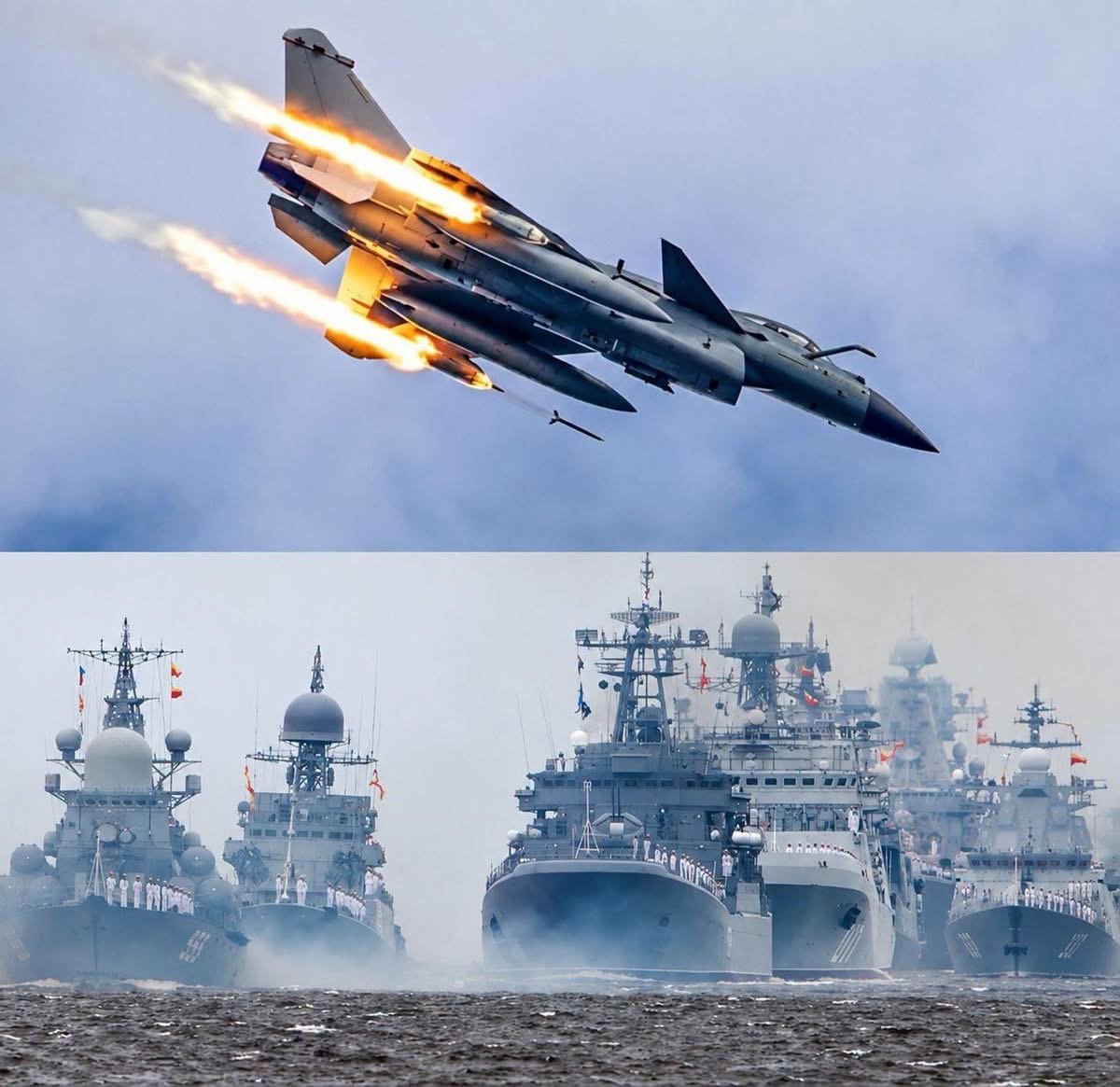
BEIJING — China’s military on Saturday conducted joint naval and air patrols around the disputed Scarborough Shoal in the South China Sea, as tensions continue over competing territorial claims in one of the world’s busiest maritime regions.
The Southern Theater Command of the People’s Liberation Army (PLA) said the patrols were carried out in the waters and airspace surrounding Scarborough Shoal, known in China as Huangyan Dao. The command said the operation was aimed at enhancing combat readiness, strengthening maritime surveillance, and safeguarding what Beijing described as China’s territorial sovereignty and maritime rights and interests.
In a statement, the PLA accused “certain countries” of taking actions that undermine peace and stability in the South China Sea, although it did not identify any nation by name. The military said its forces would remain on high alert and continue conducting routine patrols and operations to defend China’s maritime claims.
Scarborough Shoal, known in the Philippines as Bajo de Masinloc, is claimed by both Beijing and Manila. The reef has remained a major source of friction since China assumed effective control of the area in 2012 following a prolonged standoff with Philippine vessels.
The latest patrols come amid continued tensions between China and the Philippines over disputed features in the South China Sea. In recent months, both countries have accused each other of dangerous encounters involving coast guard and naval vessels near contested reefs and shoals, prompting concern from regional governments and international partners.
The South China Sea is claimed in whole or in part by several countries, including China, the Philippines, Vietnam, Malaysia, Brunei, and Taiwan. The waterway is one of the world’s most strategically important maritime routes, carrying an estimated one-third of global shipping and significant energy supplies.
The United States and its allies have repeatedly called for freedom of navigation and adherence to international law in the South China Sea, while China maintains that its activities in the region are lawful and necessary to protect its sovereignty.