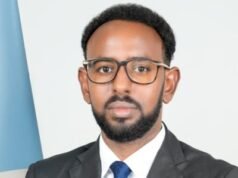
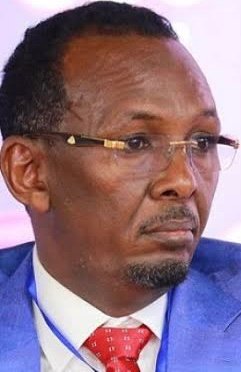
MOGADISHU — Sources close to Villa Somalia have told Hiiraan News Agency that former National Intelligence and Security Agency (NISA) Director Abdullahi Mohamed Ali Sanbaloolshe played a central role in advising President Hassan Sheikh Mohamud on some of Somalia’s most sensitive national security and political matters during his time leading the intelligence agency.
According to the sources, Sanbaloolshe was closely involved in managing critical national issues, including the transition from the African Union Transition Mission in Somalia (ATMIS) to the African Union Support and Stabilization Mission in Somalia (AUSSOM), the continued presence of Ethiopian troops in Bay, Bakool and Gedo regions, and diplomatic efforts to resolve tensions between Somalia and Ethiopia.
The sources said Sanbaloolshe also played a significant role in handling the diplomatic crisis that followed Ethiopia’s controversial agreement with Somaliland, which Mogadishu viewed as a serious threat to Somalia’s sovereignty and territorial integrity.
They alleged that he helped move the dispute away from the possibility of military confrontation towards diplomatic engagement through confidential contacts involving Kenya, Ethiopia, Djibouti, Qatar and Türkiye.
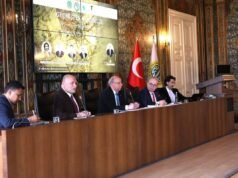
The diplomatic efforts eventually contributed to the Ankara Declaration, signed by President Hassan Sheikh Mohamud and Ethiopian Prime Minister Abiy Ahmed in Ankara, Türkiye, in December 2024. The agreement helped ease tensions and established a framework for resolving outstanding disputes through dialogue.
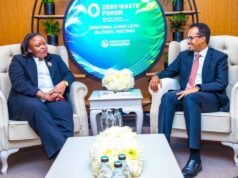
However, sources speaking to Hiiraan News Agency alleged that some of the country’s most sensitive national security and foreign policy matters are now being handled by individuals close to the president, including members of his family.
The sources specifically identified two individuals, Jihaan and Fadumo Aways, alleging their involvement in sensitive strategic affairs. The claims have raised questions about the management of national security decisions and the role of formal government institutions.
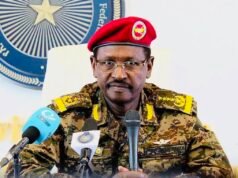
The sources further claimed that current NISA Director Mahad Mohamed Salad has been excluded from several major national security decisions and high-level strategic consultations for nearly two years, significantly reducing the agency’s influence over important security and diplomatic matters.
Media reports over the past two years have also documented the participation of individuals described as members of the president’s family in meetings concerning Somalia’s security transition, AUSSOM and national security arrangements. Some of these meetings reportedly took place in Kampala and Addis Ababa.
The sources also questioned Mahad Mohamed Salad’s leadership, criticizing his public appearances and involvement in clan reconciliation initiatives while raising allegations of inconsistencies in his approach to different communities.
The developments have sparked broader questions about the institutional authority of NISA, its independence and its role in managing Somalia’s most sensitive national security responsibilities.
The central concern is whether strategic security and foreign policy decisions remain under the authority of established state institutions or are increasingly being handled through informal channels close to the presidency.
The allegations have not been independently verified, and no official response from Villa Somalia or NISA was included in the information provided to Hiiraan News Agency.