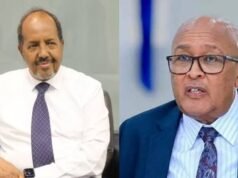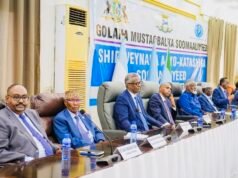
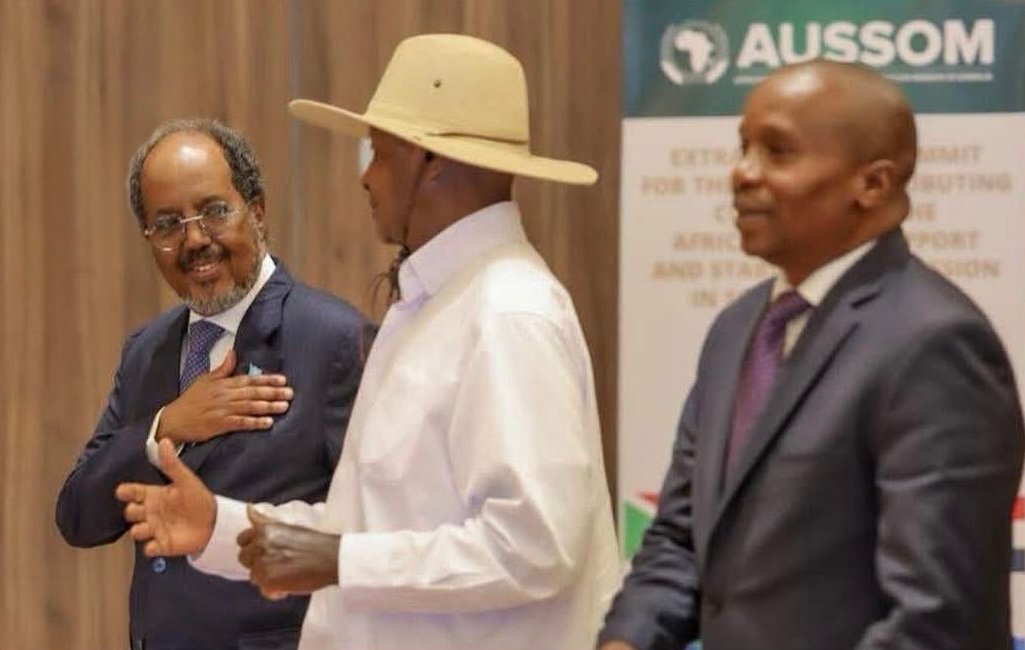
KAMPALA — President Hassan Sheikh Mohamud’s reported objections to calls for a broader national political dialogue during the AUSSOM summit in Kampala have highlighted a growing tension at the heart of Somalia’s political and security landscape.
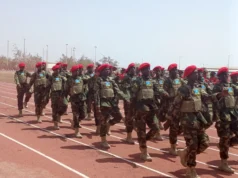
The debate reflects a difficult balance facing Somalia and its international partners: countries providing troops, financial assistance, and security support remain central to the fight against Al-Shabaab, yet disagreements continue over the role external partners should play in encouraging political consensus and inclusive governance.
Somalia’s leadership has repeatedly emphasized the importance of national sovereignty and has warned against what it views as external interference in domestic political affairs. However, international partners argue that long-term security gains depend not only on military operations but also on political stability, institutional reform, and broad participation in decision-making.
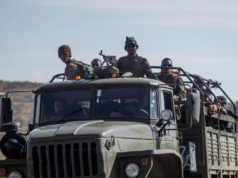
Analysts say the disagreement exposes a fundamental contradiction. Somalia relies heavily on international support for security operations, including the contribution of African Union forces and financial assistance from global partners, while some government officials remain resistant to external calls for political compromise and dialogue.
The issue has become increasingly important as Somalia navigates major political challenges, including electoral reforms, relations between the Federal Government and Federal Member States, and efforts to build consensus among political stakeholders.
International partners have consistently argued that an inclusive political process is essential for strengthening state institutions and reducing vulnerabilities that armed groups such as Al-Shabaab exploit. They maintain that security and governance cannot be separated, and that military progress must be supported by political stability.
Supporters of President Hassan Sheikh’s position argue that Somalia must be allowed to manage its internal political affairs without undue outside influence. They say decisions on national governance should primarily be determined through Somali-led processes.
However, critics argue that international partners who provide significant resources and personnel to Somalia’s security efforts have a legitimate interest in ensuring that political disputes do not undermine stability or weaken the fight against extremist groups.
The debate at the Kampala summit reflects a broader challenge facing Somalia: how to balance national ownership with international partnership. As the country continues its security transition and prepares for the future of AUSSOM support, maintaining trust between Somali leaders and international allies will remain critical.
Observers say a sustainable path forward will require compromise from all sides — with Somalia strengthening inclusive political processes while partners respect Somali leadership and sovereignty. Without such balance, tensions between security cooperation and political expectations could continue to complicate Somalia’s long-term stabilization efforts.