By Senior Ayanle Hussein Abdi
JOWHAR — A decade after the establishment of Hirshabelle State, questions are once again being raised about the direction of its politics, its power-sharing arrangements and the unresolved tensions surrounding its leadership.
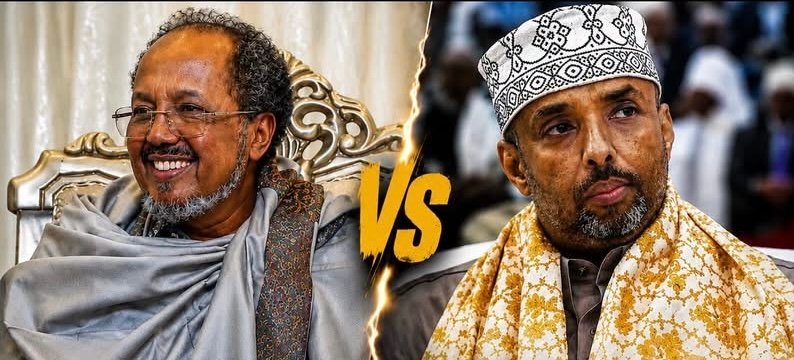
The debate has renewed attention on the political journey of Ali Abdullahi Hussein, widely known as Ali Gudlawe, who has held several senior positions in Hirshabelle’s political leadership since the state was formed in 2016.
A Decade of Political Change
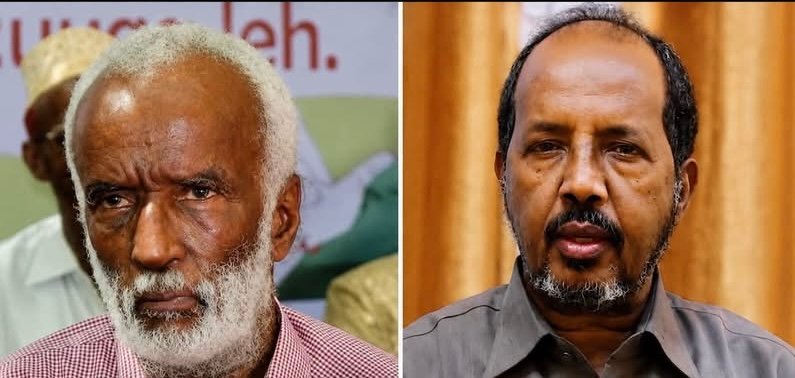
Hirshabelle was established in 2016 through a political process designed to bring Hiran and Middle Shabelle together under a single federal member state.
During the formation of the administration, Ali Gudlawe became vice president, while Ali Abdullahi Osoble was selected as president. Jowhar was designated as the state capital.
The formation of Hirshabelle was accompanied by political disagreements over representation, power-sharing and the relationship between Hiran and Middle Shabelle.
Gudlawe later continued as vice president during the administration of President Mohamed Abdi Waare, before eventually becoming president of Hirshabelle.
His rise to the presidency marked a significant shift in the political balance within the state.
The Unresolved Hiran Question
One of the most persistent issues in Hirshabelle politics has been the relationship between the state administration and political and community leaders in Hiran.
Disagreements have focused on political representation, the distribution of government positions, regional authority and the balance of power between Hiran and Middle Shabelle.
Critics argue that some of the concerns raised during the formation of Hirshabelle remain unresolved a decade later.
Supporters of the existing political structure, however, point to progress made by the administration despite serious security, political and administrative challenges.
Questions Over Gudlawe’s Political Future
The current political debate has also raised questions over whether President Ali Gudlawe will seek another term.
Gudlawe has publicly expressed his intention to remain an active participant in the political process, while rival political groups and community stakeholders are positioning themselves ahead of the next electoral contest.
Whether he can secure another mandate will ultimately depend on the electoral process, political alliances and negotiations among Hirshabelle’s major stakeholders.
What Has Changed in Ten Years?
The debate extends beyond the future of one politician.
Critics are asking what Hirshabelle has achieved since its establishment in 2016 and whether the political system has adequately addressed the grievances that accompanied the creation of the state.
Key questions include:
- How should political representation between Hiran and Middle Shabelle be balanced?
- How should government power and resources be distributed?
- What role should traditional and community leaders play?
- How should relations between the federal government and Hirshabelle be managed?
- Can future elections provide a credible and inclusive political process?
- Is a new political settlement possible?
References to Ugaas Hassan Ugaas Khalif and political discussions surrounding Hirshabelle’s formation in 2016 reflect a broader argument that some of the concerns raised at the time remain relevant today.
A New Political Test
As Hirshabelle enters another important political phase, its leaders face pressure to demonstrate that the state can move beyond the disputes that have characterized much of its political history.
Whether the next phase brings the continuation of Gudlawe’s leadership or produces a new political figure, the central challenge will remain the same: building a political arrangement that is broadly accepted by Hiran, Middle Shabelle and the wider stakeholders of Hirshabelle.
Ten years after its formation, the fundamental question facing Hirshabelle is therefore not simply who will lead the state, but whether its political system can finally resolve the disputes that have followed it since its creation.
For Hirshabelle, the next political chapter could determine whether the state moves toward greater stability and inclusion — or finds itself revisiting the same unresolved questions that shaped its politics a decade ago.