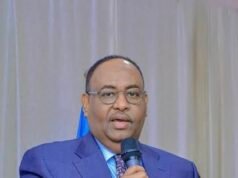

HARGEISA — Veteran Somaliland politician Faysal Ali Warabe, the former chairman and founder of the Justice and Welfare Party (UCID), has announced that he has officially joined the KAAH political party, marking a significant development in Somaliland’s evolving political landscape.
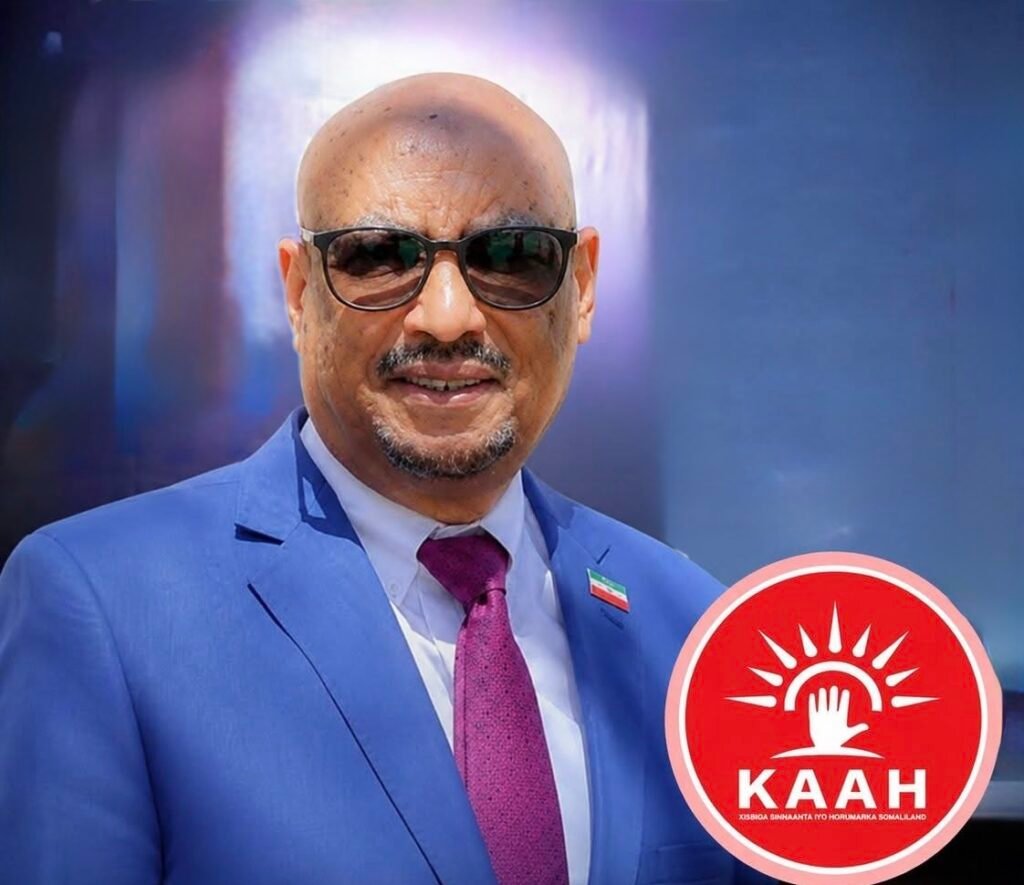
Warabe founded UCID in 2001 and remained one of its most prominent leaders for more than two decades. He was also the party’s presidential candidate in several elections, making him one of Somaliland’s longest-serving opposition figures. UCID was dissolved as a national party following the 2024 political-party process.
KAAH, led by Mohamoud Hashi Abdi, was established in 2022 and became one of Somaliland’s three national political parties after finishing second in the 2024 national political-party election. It replaced UCID among the three recognized national parties.
Warabe’s move is significant because of his long political career and the influence he has maintained within Somaliland’s opposition politics. His decision could affect political alliances and the distribution of support among opposition groups as Somaliland prepares for future political contests.
The move also comes after a major restructuring of Somaliland’s party system, which followed the 2024 political-party election and reduced the number of nationally recognized parties to three.
Warabe is expected to explain the reasons behind his decision in a forthcoming interview with Gallaydh TV. The interview could provide further details about his political plans, his relationship with KAAH’s leadership and the role he intends to play within the party.
The former UCID leader has yet to publicly provide a detailed explanation of the decision in the sources reviewed. His forthcoming comments are therefore expected to offer greater clarity on whether the move is part of a broader political realignment or reflects his personal political plans.
For KAAH, the arrival of a veteran politician with Warabe’s experience could strengthen the party’s political profile and expand its network among voters and former UCID supporters. However, the longer-term political impact of the move will depend on how Warabe is integrated into the party and what role its leadership assigns him.