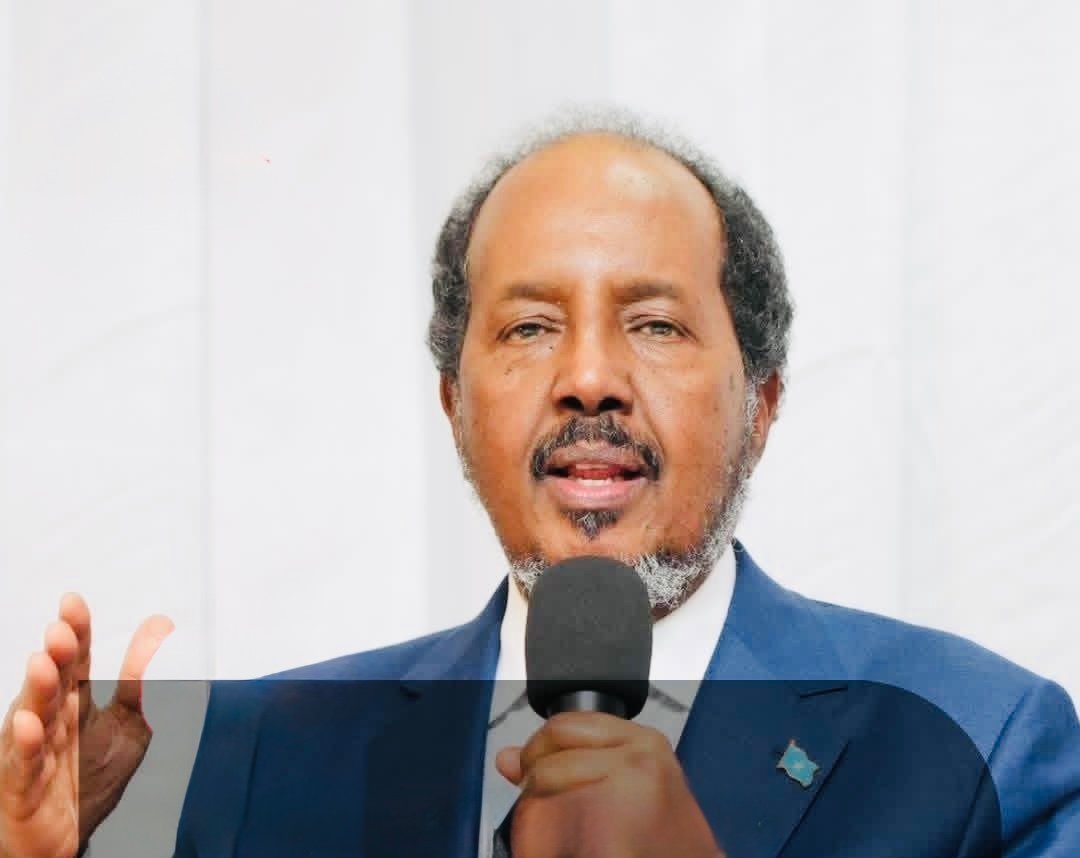
MOGADISHU — Somalia’s political standoff over the 2026 electoral process is intensifying, with President Hassan Sheikh Mohamud reportedly insisting that talks on the country’s future election arrangements should follow voting processes in the Federal Member States.
The position has added another layer to an already complicated political debate over Somalia’s electoral roadmap, constitutional reforms and the timing of national elections.
According to the report, the presidency’s approach is based on allowing regional electoral processes to move forward before broader political negotiations are concluded. Supporters of the position argue that regional votes could provide an important political foundation for subsequent national discussions.
Opposition figures and other political stakeholders, however, have raised concerns over the sequencing of the process and whether regional elections could influence the balance of power ahead of national-level negotiations.
The disagreement comes as Somalia approaches a politically sensitive electoral period. Questions surrounding the electoral model, constitutional changes, the role of the Federal Member States and the participation of opposition groups remain central to the national debate.
The dispute also reflects a broader challenge facing Somalia: finding an electoral framework that is acceptable to the federal government, regional administrations, opposition politicians and other key stakeholders.
Political tensions have increased as different sides seek guarantees that the electoral process will be transparent, inclusive and conducted within an agreed legal and constitutional framework.
President Hassan Sheikh’s administration has emphasized the importance of completing political and institutional reforms, while opponents have called for wider consultation and greater consensus before major decisions affecting the national election process are implemented.
With Elections2026 approaching, the outcome of these discussions could have significant consequences for Somalia’s political stability and democratic transition.
The central question now is whether the competing political camps can reach a compromise on the electoral roadmap before disagreements develop into a deeper institutional and political crisis.
The coming months are likely to be critical for Somalia’s electoral future, with regional voting, constitutional reform and national political dialogue increasingly interconnected.