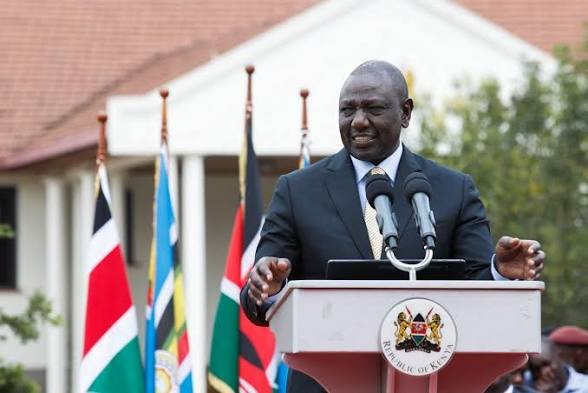
NAIROBI — Kenyan President William Ruto has reportedly ordered authorities to begin closing small businesses operated by foreign nationals across Kenya, with the measure set to take effect on September 7, 2026.
Ruto said non-Kenyan citizens would no longer be allowed to operate certain small-scale businesses in the country, including some forms of street vending and informal trade.
According to the Kenyan newspaper The Star, the government is also preparing legislation that would reserve certain categories of small businesses exclusively for Kenyan citizens. The proposed legal changes are expected to define which businesses would be restricted to nationals and which sectors would remain open to foreign investors.
Government Says Move Is Designed to Protect Kenyan Traders
The government has presented the initiative as a measure aimed at protecting local Kenyan traders and expanding economic opportunities for citizens.
Officials have emphasized that the policy is focused on small-scale commercial activities rather than foreign investment as a whole. The government says Kenya will continue to welcome international investors who bring capital, technology, expertise and employment opportunities to the country.
The move comes amid continuing public and political debate in Kenya over competition between local traders and foreign-owned businesses, particularly in sectors involving small shops, informal trading and street commerce.
Potential Impact on Somali Traders
The announcement could have a significant impact on Somali business owners in Kenya who are not Kenyan citizens, particularly those operating small and informal enterprises.
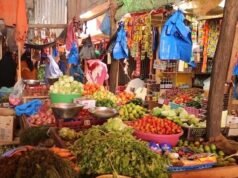
Somali communities have a major presence in Kenya’s commercial sector, with Eastleigh in Nairobi widely known as one of the country’s most prominent Somali-majority business districts. The area hosts thousands of businesses involved in retail, wholesale trade, restaurants, clothing, electronics, logistics and other commercial activities.
If the reported restrictions are implemented broadly, foreign-owned small businesses in areas such as Eastleigh could face increased scrutiny, licensing requirements or possible closure, depending on the final regulations.
The policy could therefore become an important issue for Somali traders, particularly those whose businesses depend on small-scale retail and informal commerce.
Foreign Investment vs. Small-Scale Trade
The Kenyan government appears to be drawing a distinction between foreign investment and small-scale commercial activity.
While foreign investors who contribute substantial capital and create employment are expected to remain welcome, the government wants certain smaller businesses to be dominated by Kenyan citizens.
The success of the policy will likely depend on how the new regulations define “small businesses,” how existing foreign-owned businesses will be treated, and whether traders will be given a transition period to comply.
What Comes Next?
Authorities are expected to provide further clarification as the September 7 deadline approaches, including details on enforcement, affected business categories and the legal framework supporting the restrictions.
For foreign traders, including members of Kenya’s large Somali business community, the key concern will be whether existing businesses will be allowed to continue operating under new licensing arrangements or whether some categories will be completely reserved for Kenyan citizens.
The developments could have significant economic and social implications, particularly in Nairobi’s major commercial districts where foreign nationals play an important role in the small-business economy.
The coming days are therefore expected to be closely watched by Kenyan traders, foreign business owners and the wider Somali community in Kenya as the government moves toward implementing the new measures.