
By Horn Africa News Editor, A Yusuf Mohamed
MOGADISHU — Somalia is increasingly finding itself at the center of a complex geopolitical contest involving regional and international powers, as Türkiye, Saudi Arabia, Egypt, Israel, the United Arab Emirates and Ethiopia expand their political, economic, security and strategic interests across the Horn of Africa and the Red Sea region.
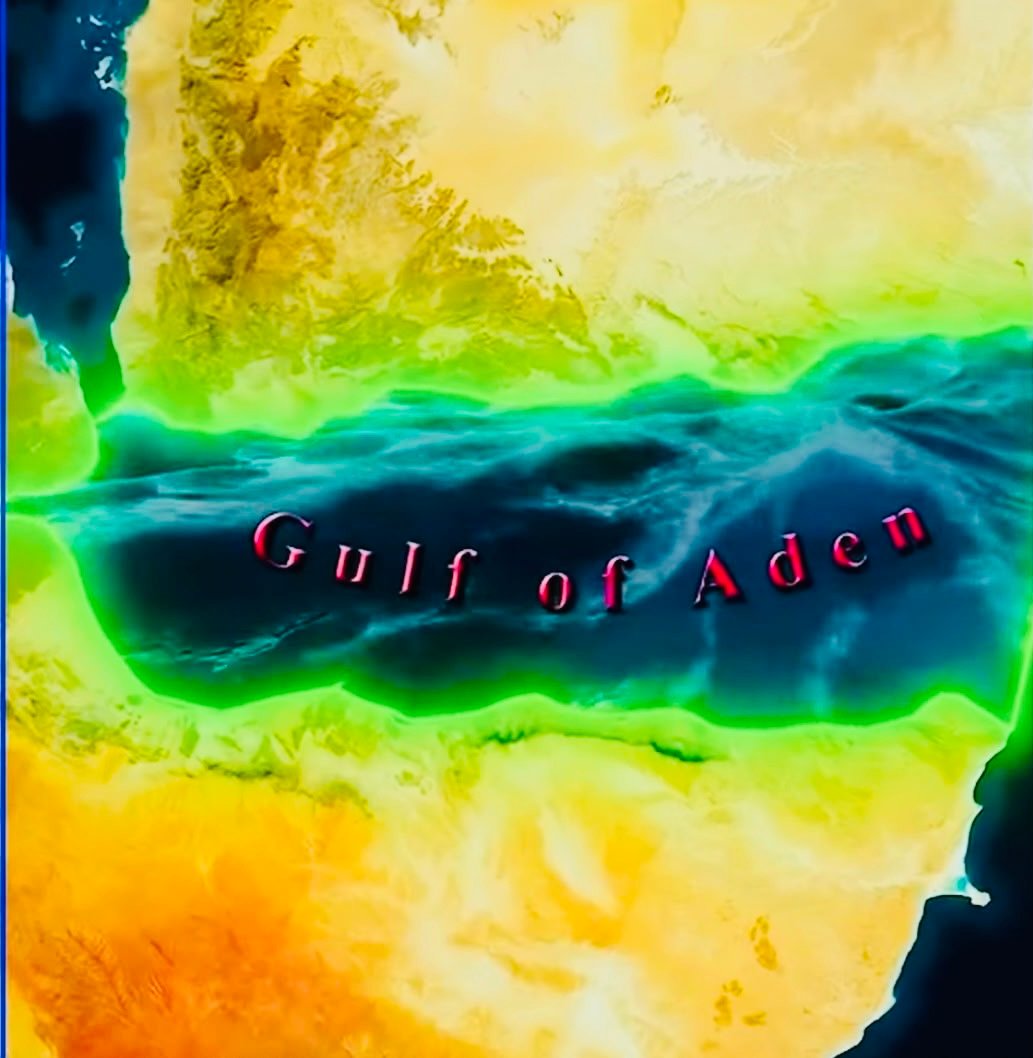
The competition is unfolding at a time when the Red Sea and Gulf of Aden have become increasingly important to global trade and regional security. Somalia’s long coastline, strategic position and proximity to the Bab el-Mandeb Strait have made the country an important actor in the emerging regional balance of power.
Analysts, including Prof. Abdi Wahab, argue that Somalia faces both significant opportunities and serious risks as competing powers seek stronger partnerships and influence in the region.
Türkiye: Expanding Security and Strategic Cooperation
Türkiye has developed one of the strongest bilateral relationships with Somalia in recent years, particularly in the areas of defense, military training, infrastructure and economic cooperation.
Ankara has invested heavily in its partnership with Mogadishu and has become an important security partner for the Somali government.
Türkiye’s growing role in Somalia also reflects its broader strategic interests in the Red Sea, the Gulf of Aden and the wider Horn of Africa.
For Somalia, the relationship provides opportunities to strengthen national security institutions, develop its economy and attract further investment.
However, the growing presence of foreign powers also raises questions about how Somalia can ensure that international partnerships remain aligned with its own national interests.
Saudi Arabia: Red Sea Security and Regional Influence
Saudi Arabia has increasingly focused on strengthening its position around the Red Sea and the Horn of Africa.
Riyadh has major economic and security interests in maintaining stability along key maritime routes connecting the Middle East, Africa, Asia and Europe.
Somalia’s extensive coastline gives it considerable strategic importance in this calculation.
Saudi Arabia’s expanding engagement with countries across the region reflects a broader effort to protect maritime security, strengthen economic partnerships and increase its diplomatic influence.
Egypt: Somalia’s Growing Importance in the Nile Dispute
Egypt views Somalia as an important partner in the Horn of Africa, particularly amid its longstanding dispute with Ethiopia over the Grand Ethiopian Renaissance Dam (GERD) and the use of Nile waters.
Cairo has sought closer political, security and military cooperation with Mogadishu.
For Egypt, a stronger relationship with Somalia can strengthen its position in the Horn of Africa and the Red Sea.
For Somalia, however, maintaining an independent foreign policy remains essential. Mogadishu must balance its relations with Egypt and Ethiopia while ensuring that Somalia’s own national interests are not subordinated to the disputes of other countries.
Ethiopia: The Search for Maritime Access
Ethiopia’s strategic interest in Somalia is closely connected to its search for reliable access to the sea.
As a landlocked country, Ethiopia relies heavily on regional ports for international trade and has repeatedly emphasized the importance of securing long-term maritime access.
This has made Somalia and the wider Horn of Africa increasingly important to Addis Ababa’s strategic calculations.
The issue became particularly sensitive following Ethiopia’s memorandum of understanding with Somaliland, which triggered strong opposition from the Somali federal government.
Mogadishu has maintained that any arrangements involving Somali territory, ports or maritime resources must respect Somalia’s sovereignty and territorial integrity.
UAE: Ports, Investment and Regional Influence
The United Arab Emirates has also developed significant economic and strategic interests in the Horn of Africa.
Abu Dhabi has invested in ports, logistics and infrastructure across the wider region, giving it an important role in the commercial and strategic competition surrounding the Red Sea and Gulf of Aden.
The UAE’s relationships with different actors in Somalia and the wider Horn have sometimes generated political tensions, particularly over the question of federal authority and relations with Somalia’s regional administrations.
Nevertheless, economic cooperation, port development and regional security remain important components of the UAE’s engagement.
Israel: Red Sea Security and Somaliland
Israel has also become an increasingly important factor in the region’s geopolitical calculations.
Its recognition of Somaliland introduced a new dimension into the already sensitive dispute over Somalia’s territorial integrity.
The Somali federal government has strongly opposed any move that it believes undermines Somalia’s sovereignty and territorial unity.
Somaliland’s location along the Gulf of Aden, close to one of the world’s most important maritime corridors, gives the territory significant strategic value.
Israel’s growing interest in the Red Sea region is therefore being closely watched by Somalia and other regional governments.
The Central Question: What Is in Somalia’s National Interest?
The growing competition among regional powers presents Somalia with both opportunities and dangers.
On one hand, Somalia could use international competition to attract investment, strengthen its armed forces, develop infrastructure and increase its diplomatic influence.
On the other hand, excessive dependence on foreign powers could risk turning Somalia into an arena for competing regional interests.
The central challenge for Mogadishu is therefore to maintain a balanced foreign policy that allows Somalia to cooperate with different countries without becoming fully aligned with one regional bloc against another.
Prof. Abdi Wahab: “Who Benefits From Somalia?”
According to Prof. Abdi Wahab’s analysis, the key question is not simply which countries are supporting Somalia, but what each country ultimately wants from its relationship with Mogadishu.
Türkiye has emphasized security and economic cooperation. Saudi Arabia is focused heavily on Red Sea stability and regional security. Egypt sees Somalia as an important partner amid its strategic competition with Ethiopia. Ethiopia is seeking reliable maritime access and greater regional influence. The UAE has major economic and strategic interests in ports and regional trade, while Israel is increasingly focused on strategic developments around the Red Sea and Gulf of Aden.
Each relationship therefore contains both areas of cooperation and national interests that may not always coincide with Somalia’s priorities.
Somalia at a Strategic Crossroads
Somalia is entering a critical period in which decisions made today could shape its geopolitical position for decades.
If Mogadishu successfully manages its relationships with competing powers, the country could transform its strategic location into economic investment, stronger security partnerships and greater diplomatic leverage.
But if foreign rivalries become intertwined with Somalia’s internal political divisions, the country could face increased instability and become a battleground for competing regional agendas.
The most important question facing Somalia is therefore not simply who is supporting Somalia, but whether Somalia can ensure that its growing international partnerships ultimately serve Somalia’s sovereignty, security, economic development and national interests.
As Prof. Abdi Wahab’s analysis highlights, Somalia is no longer merely an observer in the geopolitical competition unfolding around the Red Sea and the Horn of Africa. It is becoming one of the region’s most strategically important players.