NAIROBI — The Kenyan government has officially launched a broad operation targeting foreign nationals engaged in small-scale businesses, particularly retail shops, roadside trading and other informal commercial activities, as part of a policy aimed at creating greater opportunities for Kenyan citizens.
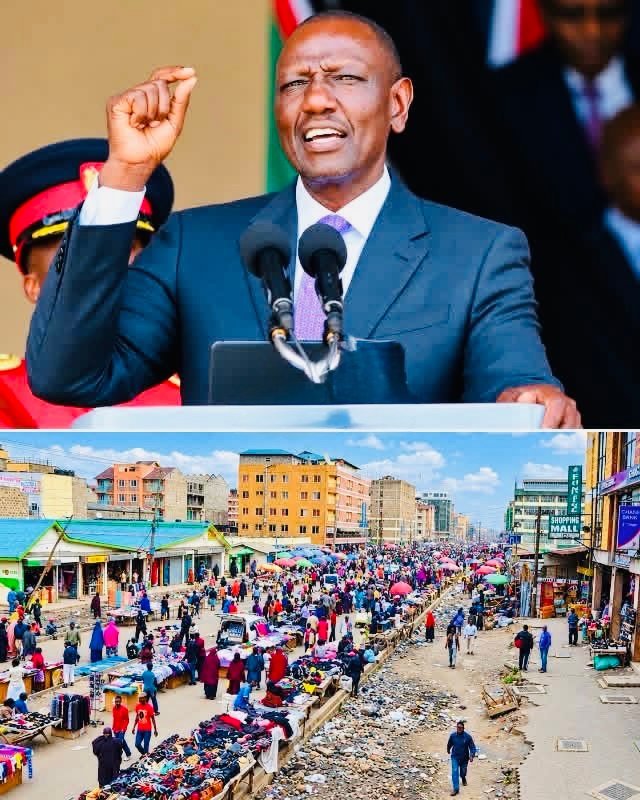
The operation follows an earlier announcement by President William Ruto, who said the government intended to strengthen the participation of Kenyan citizens in businesses at the lower end of the economy.
The policy is expected to have a significant impact on foreign traders who operate small businesses without Kenyan citizenship, including members of the Somali business community who have established shops and other commercial activities in Nairobi.
Operations Begin in Eastleigh
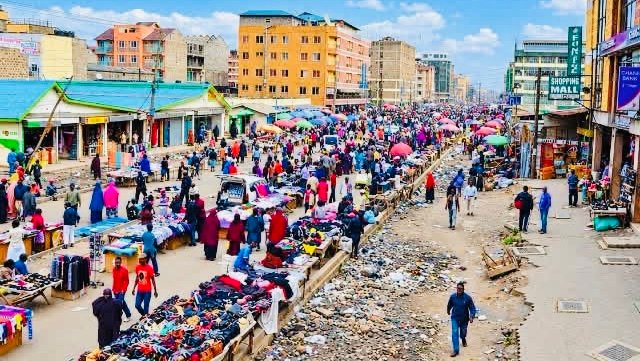
The enforcement activities have reportedly begun in Eastleigh, a Nairobi neighborhood known for its large Somali population and its active retail and trading sector.
Authorities are focusing particularly on foreign nationals involved in small businesses, with traders facing increased scrutiny over their citizenship, business operations and compliance with Kenyan regulations.
The development has caused concern among Somali traders in Eastleigh, many of whom have operated small businesses in the area for years and depend on these businesses as their primary source of income.
Business owners are worried that the enforcement campaign could disrupt their livelihoods, particularly if they are required to close businesses or transfer them to Kenyan citizens.
Government Says Priority Is Kenyan Citizens
The Kenyan government has defended the policy, maintaining that its objective is to ensure that Kenyan citizens benefit more directly from opportunities in small and informal businesses.
The government has argued that certain areas of the small-business sector should primarily serve Kenyan citizens, particularly at a time when unemployment and the rising cost of living remain major economic concerns.
Officials have indicated that the policy forms part of a broader effort to regulate foreign participation in the Kenyan economy while expanding opportunities for local entrepreneurs.
Concerns Among Somali Traders
The operation has nevertheless raised concerns within the Somali business community, particularly among traders who have invested significant amounts of money in shops and small enterprises.
Some traders fear that enforcement could result in financial losses, loss of businesses and difficulties supporting their families.
The situation is being closely watched by the Somali community in Kenya, with many awaiting further clarification from Kenyan authorities regarding which businesses and categories of foreign traders will be affected.
A Wider Economic and Political Issue
The dispute highlights a broader question over the role of foreign nationals in Kenya’s small-business economy.
While the government says it has the right to regulate businesses and prioritize opportunities for its citizens, foreign traders argue that they have contributed significantly to local commerce, employment and economic activity.
The Somali community has a particularly strong presence in Kenya’s commercial sector, especially in Nairobi and other major urban centers.
As enforcement continues, the situation in Eastleigh could become an important test of how Kenya balances citizen-focused economic policies, immigration enforcement and the interests of established foreign business communities.
The Kenyan government is expected to continue implementing the policy, while affected traders and community leaders are likely to seek further clarification on the measures and their impact on foreign-owned small businesses.