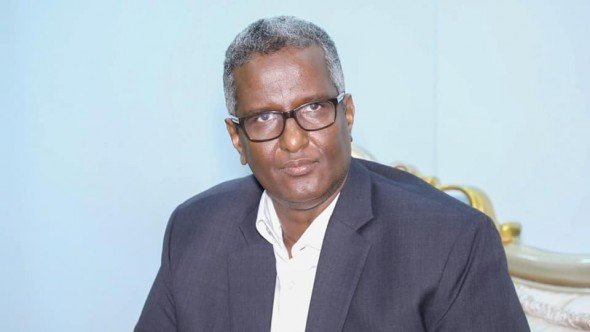
MOGADISHU — Somalia is increasingly being drawn into competing spheres of foreign influence, opposition lawmaker Abdirahman Abdishakur Warsame has warned, likening the country’s political landscape to the era of colonial rule.
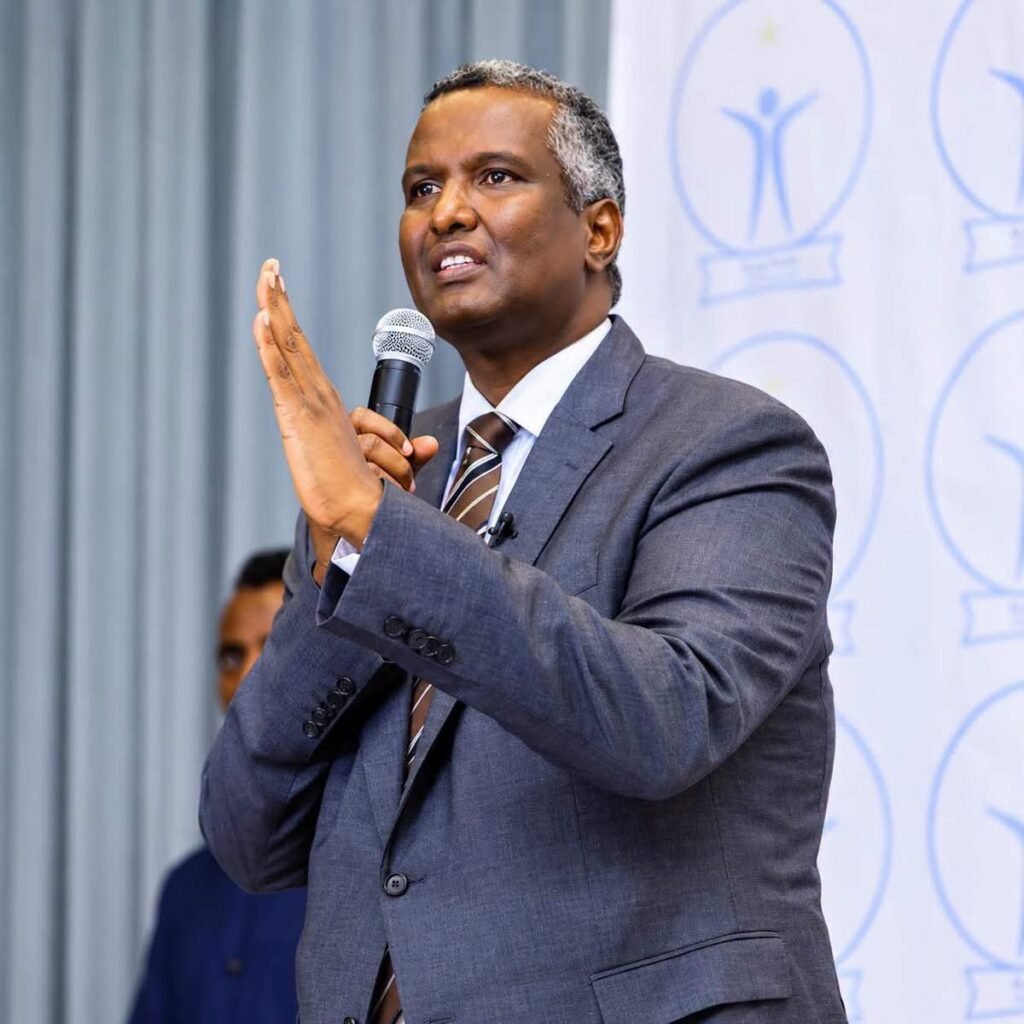
Abdishakur said the growing involvement of regional and international powers in Somalia’s political, security and economic affairs was threatening national cohesion and raising concerns over the country’s sovereignty.
“Somalia today resembles the era of colonial rule,” Abdishakur said, describing what he sees as a patchwork of foreign alliances extending across the country.
He pointed to Somaliland’s reported ties with Israel, Puntland’s close relationship with the United Arab Emirates, Turkey’s influence in southern Somalia, and the roles of Kenya and Ethiopia in Jubaland and South West State.
His remarks come as Somalia finds itself at the intersection of an increasingly intense geopolitical contest involving the Horn of Africa, the Gulf of Aden and the Red Sea.
A country caught between competing interests
Somalia’s strategic location, overlooking vital maritime routes linking the Red Sea with the Indian Ocean, has made it an important arena for regional and international competition.
Turkey has emerged as one of Mogadishu’s key partners, developing extensive political, economic and security ties with the federal government, including military cooperation.
The UAE has also built strong relationships with Somali political and commercial actors, with its interests extending to trade, ports and security.
Kenya and Ethiopia, meanwhile, have longstanding political and security interests in Somalia, shaped by their shared borders, regional security concerns and efforts to counter armed groups.
Relations between Israel and Somaliland have added another sensitive layer to Somalia’s foreign-policy debate. Mogadishu considers Somaliland part of Somalia and opposes any move that could undermine the country’s territorial integrity.
Who speaks for Somalia?
At the centre of the debate is a question that has become increasingly difficult for Somalia to answer: who controls the country’s foreign policy?
Somalia’s federal system has allowed regional administrations to develop their own relationships with foreign governments and international actors. Supporters say such partnerships can bring investment, security assistance and economic opportunities.
Critics, however, argue that the absence of a unified national approach risks creating competing foreign-policy centres and giving outside powers greater leverage over Somalia’s internal politics.
Abdishakur’s warning comes amid renewed tensions between Mogadishu and several federal member states over elections, constitutional reform, political authority and the distribution of power.
For the opposition lawmaker, the issue goes beyond diplomacy. He argues that Somalia’s internal divisions risk becoming an entry point for wider regional rivalries, allowing external powers to pursue competing strategic interests inside the country.
A wider struggle for influence
Somalia’s geopolitical importance extends well beyond its borders. Gulf states, Turkey, Israel and neighbouring countries have strategic interests ranging from maritime security and trade to military cooperation and political influence.
Abdishakur’s remarks reflect a broader concern among Somali political figures that fragmented external relationships could weaken the country’s ability to negotiate with foreign powers from a position of national unity.
His reference to the colonial era is particularly significant. European powers once divided Somali territories among competing colonial administrations, leaving a legacy that remains deeply embedded in Somalia’s political consciousness.
Today, the circumstances are fundamentally different, but Abdishakur argues that the growing competition among external powers could once again leave Somalia vulnerable to outside agendas if its political leadership fails to establish a coherent national strategy.
The challenge for Mogadishu is therefore not simply how to cultivate international partnerships, but how to ensure that those partnerships reinforce Somalia’s sovereignty, territorial integrity and national interests rather than deepen its political fragmentation.