MOGADISHU — Somalia is entering a new phase of political uncertainty as opposition leaders intensify consultations in Mogadishu and pressure mounts on the federal government over elections, constitutional reforms and the country’s political transition.
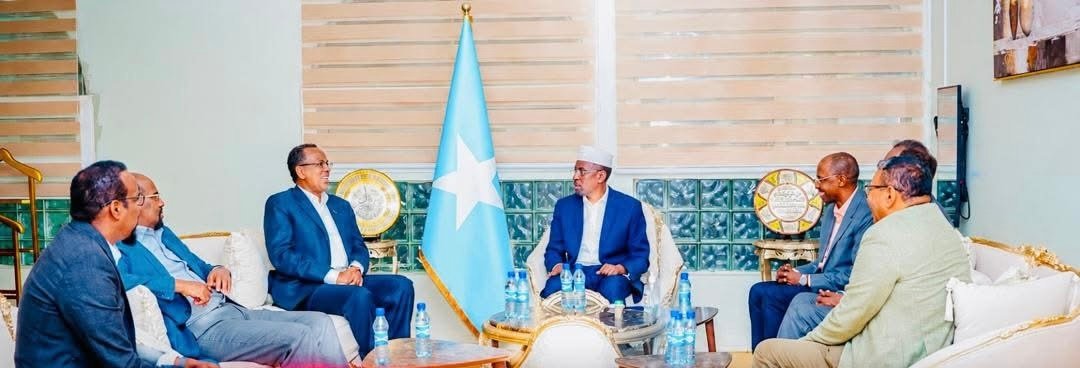
Former President Sheikh Sharif Sheikh Ahmed and former Prime Minister Abdi Farah Shirdon “Saacid” are among opposition figures engaged in political discussions aimed at shaping a common position on the country’s political future and finding a way out of the growing deadlock.
The consultations come amid deepening disagreements between the federal government and opposition groups over the electoral process, constitutional changes and the structure of Somalia’s political system.
The Somali Future Council has emerged as a prominent opposition platform, with its members challenging elements of the government’s proposed political and electoral reforms and calling for broader political consensus.
Shirdon has previously called for meaningful dialogue to resolve disagreements surrounding the electoral process, while Sharif has continued to advocate political negotiations and consensus among Somalia’s competing political actors.
The political dispute has also had security consequences. In June 2026, tensions between government and opposition forces escalated into armed clashes in Mogadishu, with fighting reported in areas near the residences of Sharif and former Prime Minister Hassan Ali Khaire. The violence disrupted parts of the capital and heightened concerns that political disagreements could increasingly spill into the security sphere.
Opposition figures argue that Somalia needs a negotiated political settlement that can rebuild public confidence and establish an agreed framework for elections. The federal government, meanwhile, has defended its reform agenda and its efforts to advance direct elections and strengthen democratic institutions.
The dispute has therefore moved beyond a simple contest between government and opposition. It now encompasses broader questions about constitutional authority, the electoral system, political representation and the distribution of power between Somalia’s federal institutions and political stakeholders.
As consultations continue in Mogadishu, elections and constitutional reform are expected to remain at the centre of the political debate. Whether the rival sides can reach an agreement through dialogue will be critical to determining the direction of Somalia’s political transition in the months ahead.