NAIROBI — Ethiopia is facing renewed concerns over its political stability and ethnic divisions following deadly clashes between security forces associated with the Oromia and Somali regional states in Moyale, a strategically important border town connecting Ethiopia and Kenya.
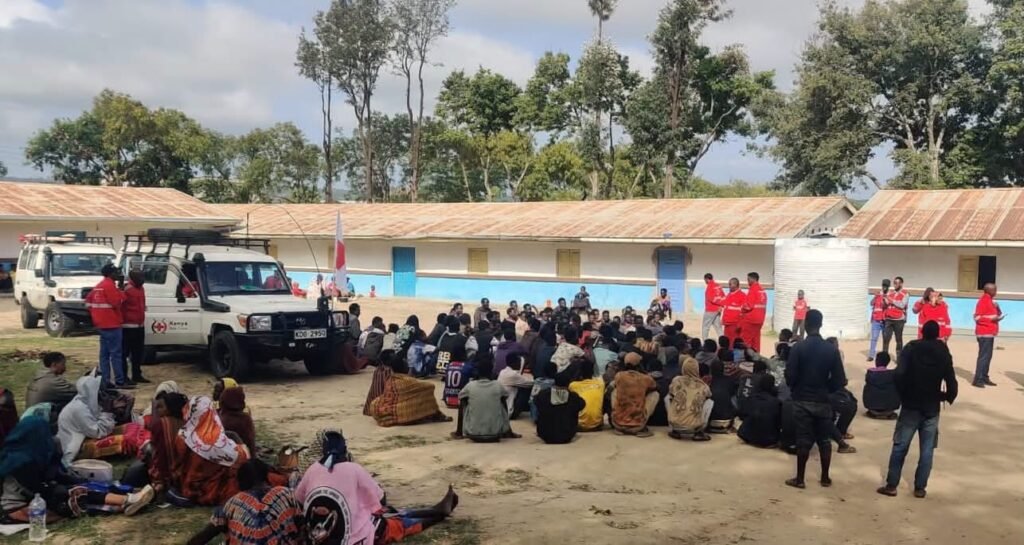
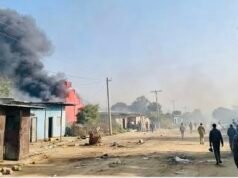
The escalating violence has resulted in civilian casualties, destruction of property, disruption of commercial activities and the displacement of thousands of people, many of whom have crossed into neighboring Kenya seeking safety.
The latest developments have intensified questions about the Ethiopian federal government’s ability to manage longstanding territorial disputes, maintain security and preserve peaceful relations among the country’s diverse ethnic communities.
DEADLY CLASHES IN MOYALE
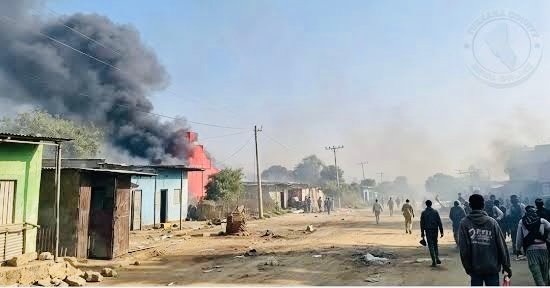
According to reports published by international and regional media, fighting escalated on October 22 following tensions surrounding the raising of the Somali Regional State flag in a disputed part of Moyale administered by Oromia.
The killing of a 13-year-old girl on October 18 also contributed to rising tensions, according to local reporting.
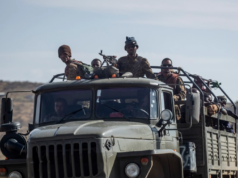
Residents described exchanges of heavy gunfire between opposing regional security forces, with fighting spreading beyond Moyale into several surrounding districts.
Reuters reported on October 23 that at least nine people had been killed, while approximately 30 injured people had been admitted to a local hospital.
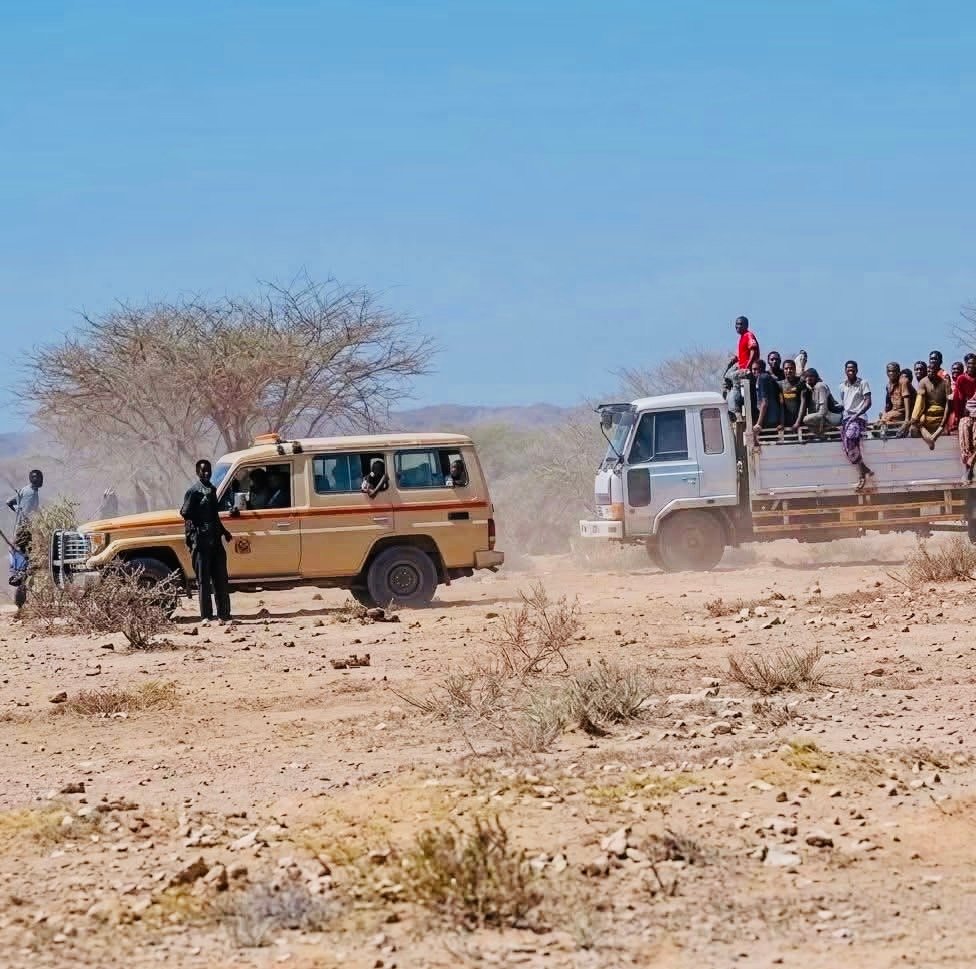
By October 24, humanitarian officials reported that more than 14,000 Ethiopians had fled into Kenya, creating urgent needs for food, clean water, shelter, sanitation and medical assistance.
The violence has also affected the Kenyan side of the border, where stray bullets reportedly struck civilian areas and injured a woman.
FARAH MAALIM CRITICIZES PRIME MINISTER ABIY AHMED
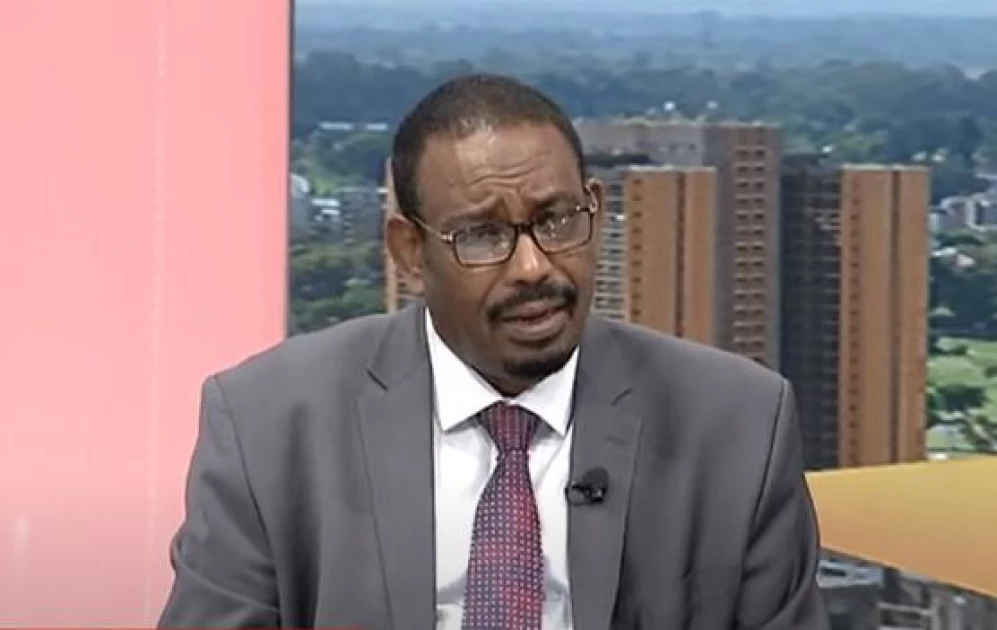
Against the backdrop of Ethiopia’s worsening security situation, Kenyan Member of Parliament Farah Maalim, who represents Dadaab Constituency, has reportedly delivered strong criticism of Ethiopian Prime Minister Abiy Ahmed.
According to remarks attributed to Maalim, the Kenyan legislator accused Abiy Ahmed of pursuing ethnically divisive politics and alleged that the Ethiopian leader harbors ambitions of becoming the country’s next king.
Maalim also reportedly warned that Ethiopia could eventually fragment into five or six separate political entities if its internal divisions continue to deepen.
These allegations represent Maalim’s reported political assessment rather than established facts. Independent confirmation of the specific remarks, particularly the allegation concerning royal ambitions, remains unavailable.
The Ethiopian government has not been shown to have adopted any policy to restore a monarchy, and there is no verified evidence establishing that Ethiopia is on the verge of splitting into five or six independent countries.
ETHIOPIA’S FEDERAL SYSTEM UNDER PRESSURE
Ethiopia operates under a federal political system organized largely around ethnolinguistic regional states.
Although the system was designed to accommodate the country’s diverse nationalities and communities, disputes over territorial boundaries, political representation, regional autonomy and administrative authority have repeatedly contributed to tensions.
The latest confrontation in Moyale highlights the sensitivity of these arrangements.
Moyale is particularly vulnerable because the town lies at the intersection of communities and administrative jurisdictions associated with the Oromia and Somali regions.
Disagreements over territorial administration and the presence of regional security forces have periodically resulted in violent confrontations.
The renewed clashes have therefore raised questions about the effectiveness of federal conflict-resolution mechanisms and the protection of civilians living in contested territories.
However, localized failures to prevent violence do not, by themselves, establish that Ethiopia’s federal government has ceased functioning.
CONCERNS OVER POSSIBLE NATIONAL FRAGMENTATION
Warnings about Ethiopia’s potential fragmentation reflect wider debates about the future of its multinational federal system.
The country has experienced serious political and security challenges in recent years, including armed conflict, regional disputes, displacement and disagreements over the distribution of political power.
Some critics argue that unresolved ethnic and territorial grievances could undermine national cohesion.
Others maintain that constitutional dialogue, political accommodation, stronger institutions and peaceful dispute resolution offer pathways toward preserving Ethiopia’s unity.
Any suggestion that Ethiopia will break apart into five or six countries remains speculative rather than a confirmed political development.
HUMANITARIAN CRISIS DEEPENS ALONG THE KENYA–ETHIOPIA BORDER
The immediate consequences of the Moyale violence are increasingly humanitarian.
Thousands of families have reportedly abandoned their homes, leaving behind livelihoods, businesses and personal belongings.
Women, children and elderly people are among those seeking refuge in Kenya.
The Kenya Red Cross and local authorities have been providing emergency assistance, including temporary shelter, blankets, food and other essential supplies.
Humanitarian officials have warned that growing displacement could overwhelm available resources unless additional support is mobilized.
The fighting has also disrupted cross-border trade along the important transport corridor linking Nairobi and Addis Ababa, threatening commercial activities and the livelihoods of border communities.
REGIONAL IMPLICATIONS FOR THE HORN OF AFRICA
Ethiopia’s internal security challenges have implications beyond its borders.
As one of the Horn of Africa’s most populous and strategically important countries, Ethiopia plays a significant role in regional trade, diplomacy and security cooperation.
Continued instability in border areas could increase refugee movements, interrupt commercial transportation and complicate relations with neighboring countries.
For Kenya, the immediate priorities include protecting border communities, assisting displaced civilians and preventing violence from spilling further across the international boundary.
For Ethiopia, the crisis underscores the importance of dialogue between regional administrations, civilian protection and credible mechanisms for resolving territorial disputes.
WHAT HAPPENS NEXT?
Attention is now focused on whether Ethiopian federal and regional authorities can secure a ceasefire, protect civilians, investigate the reported killings and address the underlying administrative dispute.
Humanitarian organizations are also monitoring displacement and the needs of families who have fled the fighting.
The situation remains fluid, and independently verified information about casualties, territorial control and the latest security developments is still limited.
The central question is whether Ethiopia’s political leadership and regional authorities can contain the violence and address the grievances fueling the confrontation before further communities are affected.
DEVELOPING STORY — Further updates will follow as verified information becomes available.
NAIROBI, KENYA | HORN OF AFRICA NEWS
#BreakingNews #DevelopingStory #Ethiopia #Moyale #AbiyAhmed #FarahMaalim #Oromia #SomaliRegion #EthiopiaCrisis #HornOfAfrica #Kenya #Nairobi #HumanRights #RegionalSecurity #AfricanNews #CreatorSearchInsights #TrumpetLiveNow #Shares