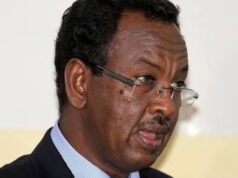
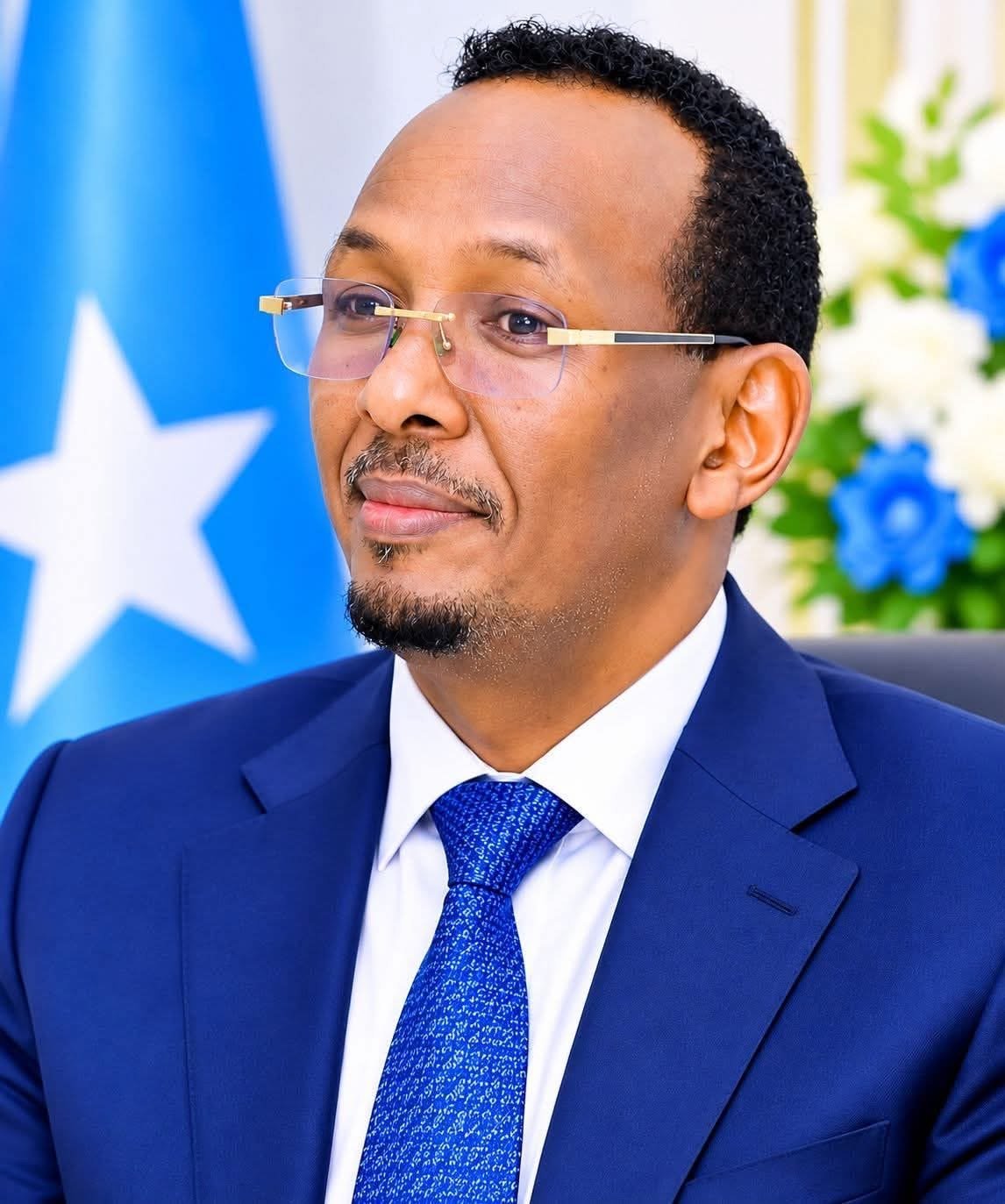
BELEDWEYNE — Somali politician and former Director of the National Intelligence and Security Agency (NISA), Abdullahi Mohamed Ali, widely known as Sanbaloolshe, returned to Beledweyne, the capital of the Hiiraan region, early Friday morning following a work-related trip.
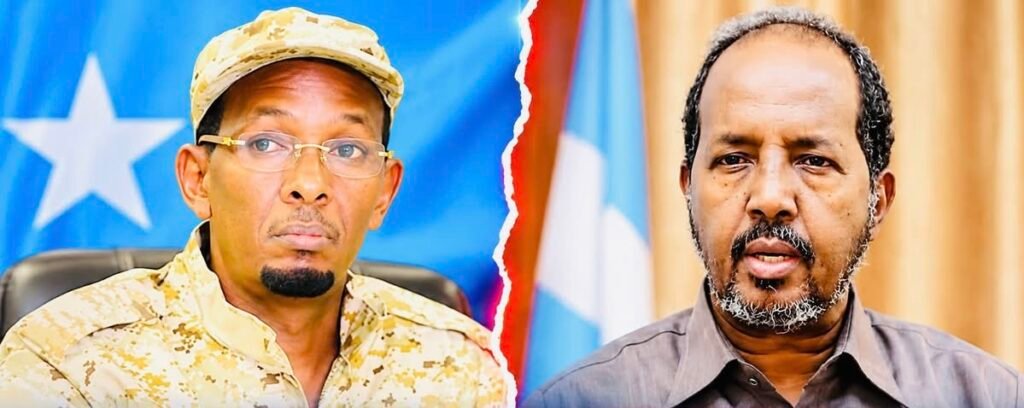
His return comes at a politically sensitive time, as tensions continue over regional leadership, political representation, security arrangements and the relationship between Hiiraan and the Hirshabelle administration.
Political Tensions in Hiiraan
The political situation in Hiiraan has become increasingly complicated amid disagreements between local political figures, traditional elders and the Hirshabelle regional administration.
Several politicians and community representatives have raised concerns about political representation and the decision-making process within Hirshabelle State. They have called for greater consultation and a political arrangement that reflects the interests of the people of Hiiraan.
Sanbaloolshe’s Political Role
Sanbaloolshe is among the prominent political figures from Hiiraan who have been involved in discussions concerning the region’s political future.
His return to Beledweyne is therefore attracting attention from local politicians, traditional elders and community leaders, particularly at a time when discussions about regional leadership and political change remain ongoing.
His political experience, including his previous leadership of Somalia’s intelligence agency, makes his presence significant in the current political environment.
Security Situation and Macawisley Forces
The political disagreements have also raised concerns about security and the role of local community forces, particularly the Macawisley fighters who have played an important role in the fight against Al-Shabaab.
Maintaining cooperation between local forces, regional authorities and federal security institutions remains important for the stability of Hiiraan.
What Happens Next?
Sanbaloolshe’s return raises questions about the next phase of political developments in Beledweyne.
Attention is now focused on whether he will hold consultations with traditional elders, political leaders and other influential stakeholders to discuss the future of Hiiraan and its relationship with the Hirshabelle administration.
His return could become an important development in the ongoing political discussions surrounding the region.
The coming days will be closely watched as political leaders and community representatives continue to discuss the future leadership, security and political direction of Hiiraan.