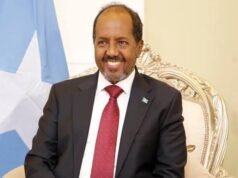
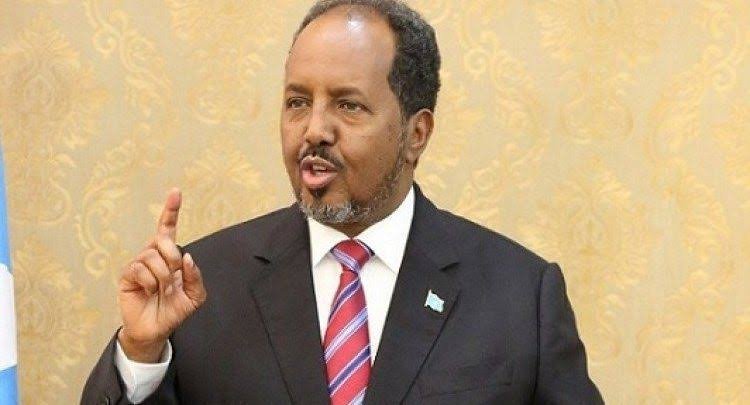
MOGADISHU — Somalia’s Supreme Court has ruled that the extension of President Hassan Sheikh Mohamud’s presidential term was unlawful, delivering a major legal development in the country’s ongoing political dispute.
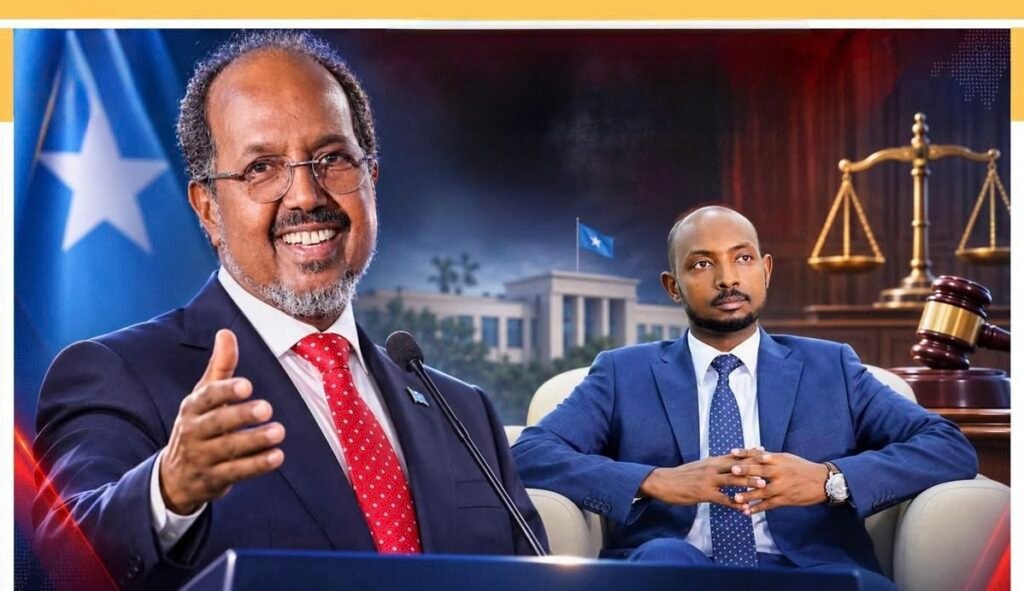
President Mohamud’s constitutional term ended in May, but his administration announced a one-year transition period, arguing that additional time was necessary to prepare for the country’s first nationwide democratic elections.
The president maintained that the extension was supported by constitutional amendments approved in March. However, opposition leaders rejected the move, describing it as an attempt to prolong his stay in power and undermine constitutional arrangements. The dispute also triggered violent protests in the capital, Mogadishu.
In its latest ruling, the Supreme Court determined that the March constitutional amendments did not apply retroactively to President Mohamud’s existing term, which had already expired in May.
The ruling has intensified the political and constitutional crisis, raising questions about the future of the presidency and the country’s political transition.
The dispute escalated further after President Mohamud dismissed Supreme Court Chief Justice Bashe Yusuf Ahmed late Wednesday and announced plans to appoint a replacement. Unconfirmed reports have also circulated suggesting that the dismissed chief justice was arrested.
The court’s ruling and the presidential decision to dismiss its chief justice have raised concerns about judicial independence, the separation of powers and respect for constitutional procedures.
Meanwhile, Somalia continues to face serious security challenges from the long-running insurgency by Al-Shabaab, which remains a major threat to national stability.
The security situation is further complicated by concerns over international financial support for military operations. International partners have expressed frustration over the lack of progress in stabilising the country.
Uganda has also announced plans to withdraw all its troops from Somalia by the end of next year, adding further uncertainty to the future of international security operations.
The latest developments place Somalia at a critical political and security juncture, with the Supreme Court’s ruling likely to have significant implications for the country’s leadership, constitutional order and future governance.