
By HAN News Desk
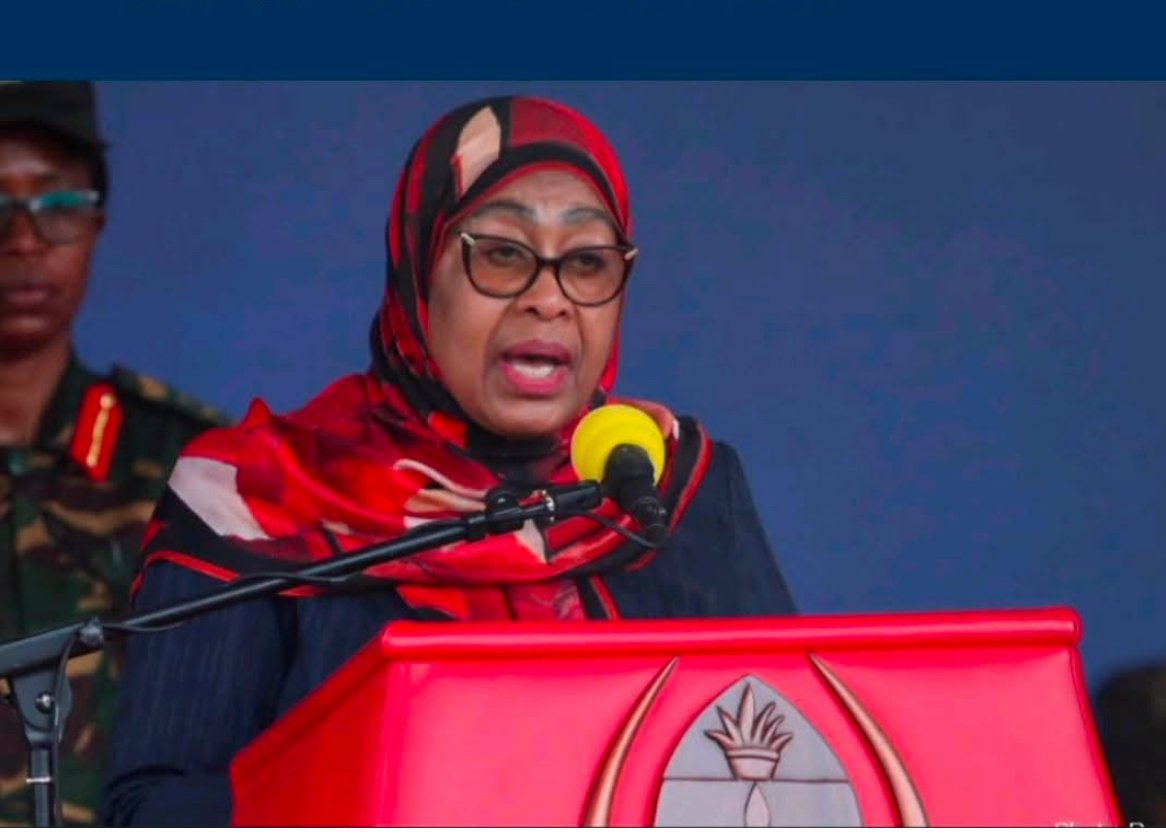
DAR ES SALAAM — Tanzania’s President Samia Suluhu Hassan is facing increasing scrutiny and public debate following a controversial cabinet reshuffle that appointed two close family members—her daughter and her son-in-law—to senior government roles. The move has sparked a broader conversation across East Africa about nepotism, political dynasties, and the concentration of power within ruling families.
In the reshuffle, President Samia elevated her daughter, Wanu Hafidh Ameir, to Deputy Minister for Education, Science and Technology, while her son-in-law, Mohamed Mchengerwa, assumed the position of Minister of Health, a portfolio central to national healthcare delivery, policy oversight, and emergency preparedness. Both appointments have drawn immediate attention from political analysts, civil society groups, and citizens across the region.
Critics warn that these decisions risk setting a dangerous precedent by reinforcing perceptions that political authority is increasingly concentrated within family networks. They argue that such appointments could undermine principles of merit-based governance, transparency, and institutional integrity, which President Samia has consistently emphasized since taking office.
The timing of the reshuffle is particularly notable. Several African leaders publicly congratulated President Samia on her contested election victory. However, countries have faced like this criticism for appointing close relatives to top government, military, and intelligence positions. Analysts suggest that Tanzania’s reshuffle exemplifies a wider trend in the region, where political dynasties are becoming more entrenched and governance is often intertwined with familial networks.
In her new role, Wanu Ameir will report to senior minister Prof. Adolf Mkenda and oversee major national education reforms and skill-development initiatives aimed at modernizing Tanzania’s education system. Supporters cite her legislative experience as a member of the Zanzibar House of Representatives, highlighting her political background and knowledge of governance processes. Detractors, however, question whether her appointment was influenced more by family connections than professional competence, and whether other qualified candidates were overlooked.
Mohamed Mchengerwa, who previously served as Minister for Regional Administration and Local Government, now heads the Ministry of Health during a critical period. Tanzania continues to face post-pandemic recovery challenges, including hospital infrastructure upgrades, medical staffing shortages, and nationwide public health initiatives. While Mchengerwa is recognized for his administrative experience, critics highlight the optics of concentrating such important portfolios within the President’s immediate family, raising concerns about fairness, impartial governance, and accountability.
Political analysts argue that these appointments feed a broader narrative across Africa: leadership is increasingly perceived as a family inheritance rather than a public mandate. Such patterns, they contend, may erode public confidence in democratic institutions, limit opportunities for emerging political talent, and encourage leaders to prioritise familial loyalty over national interest.
The controversy has also sparked heated online debate, with Tanzanians and other East Africans divided over whether the appointments represent strategic leadership decisions or a concerning shift toward personalised governance. Supporters argue that competence and experience should be the primary criteria for public office, while opponents insist that good governance requires not only qualifications but also the perception of fairness, accountability, and institutional independence.
As public scrutiny intensifies, Tanzania has become a focal point in a wider regional discussion on political power, governance standards, and the delicate balance between public service and private loyalty. Observers suggest that the long-term impact of this reshuffle will depend on the performance of the newly appointed officials and the government’s ability to respond to mounting criticism and public expectations for transparency and meritocracy.