ADDIS ABABA — Ethiopian Prime Minister Abiy Ahmed is facing renewed scrutiny amid unverified reports alleging that a major military offensive involving federal government forces in northern Ethiopia has suffered significant setbacks, including the reported encirclement of military units, troop surrenders, and the capture of senior officers by forces affiliated with the Tigray People’s Liberation Front (TPLF).
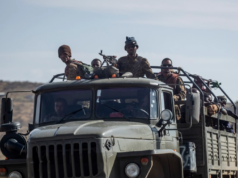
According to accounts circulating about the conflict, Ethiopian government forces allegedly deployed approximately 40,000 troops in an operation intended to weaken opposing armed groups in Tigray and surrounding areas.
The reported offensive is said to have encountered fierce resistance, with claims that several military formations were surrounded and others surrendered following intense fighting.
Some accounts further allege that at least 44 Ethiopian military officers were captured by TPLF-affiliated fighters.
However, neither the reported troop deployment nor the alleged battlefield losses, surrenders, and capture of officers has been independently verified. No confirmed military assessment has been established to substantiate these figures.
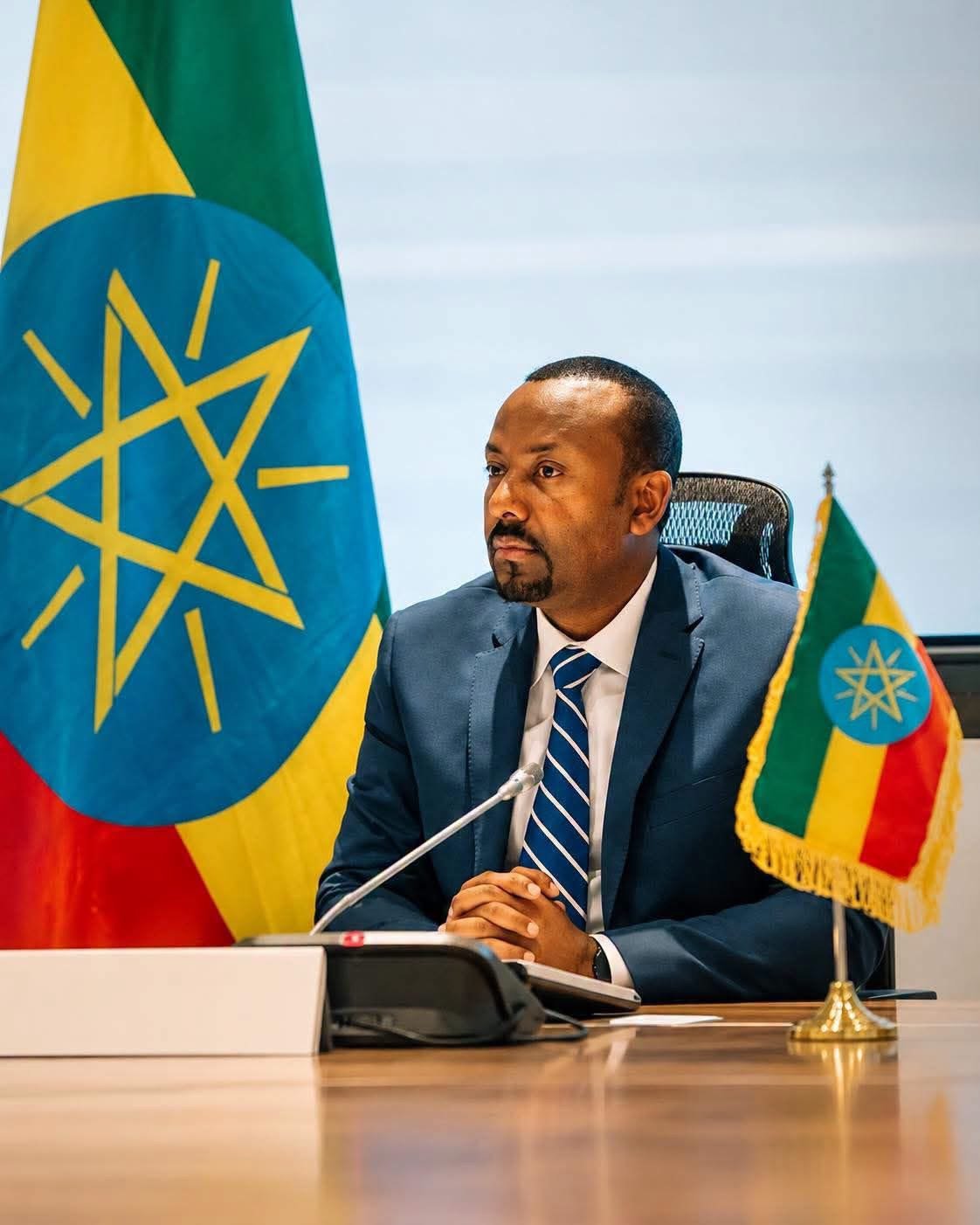
Abiy Ahmed Reportedly Questions Military Command
The reports have also raised questions about possible tensions within Ethiopia’s military and security leadership.
According to unconfirmed accounts, Prime Minister Abiy Ahmed has expressed dissatisfaction with the reported outcome of the offensive and questioned the effectiveness of the military command structure.
Some allegations suggest that the prime minister blamed Tigrayan military officials serving within the government’s security establishment for failures associated with the operation.
These claims remain unsubstantiated. There is no independently verified evidence establishing that Abiy Ahmed made the reported accusations or that particular officers were responsible for the alleged setbacks.
Without official statements or reliable independent confirmation, the reported disagreements within Ethiopia’s military leadership cannot be treated as established facts.
Reported Battlefield Losses Raise Questions About Military Strategy
If confirmed, a military operation involving tens of thousands of troops and resulting in substantial losses would represent a serious challenge for Ethiopia’s federal government.
Such developments could raise questions about operational planning, military coordination, intelligence assessments, and the effectiveness of command structures.
They could also complicate efforts to manage Ethiopia’s internal security challenges and prevent renewed large-scale confrontation in the country’s northern regions.
The possibility of further fighting is particularly concerning given the devastating humanitarian consequences of previous hostilities in Tigray.
Renewed military escalation could threaten civilian communities, disrupt essential services, increase displacement, and place additional pressure on humanitarian operations.
Political Implications for Abiy Ahmed’s Government
The reported developments come against a backdrop of longstanding political disagreements involving Ethiopia’s federal authorities, regional administrations, and armed groups.
A confirmed military setback of the reported magnitude could intensify scrutiny of the government’s security policies and its approach to resolving internal political disputes.
It could also place additional pressure on federal institutions to explain the objectives, conduct, and outcomes of military operations.
However, the political consequences remain uncertain because the central claims concerning the alleged offensive have not been independently established.
Possible Implications for Ethiopia’s Red Sea Strategy
The reports have also prompted questions about whether prolonged internal instability could affect Ethiopia’s broader strategic ambitions, particularly its pursuit of reliable maritime access.
As a landlocked country, Ethiopia has long regarded access to international maritime trade routes as an important economic and strategic priority.
The government’s interest in securing access to the Red Sea and other regional maritime corridors has become a significant issue in diplomatic relations across the Horn of Africa.
If internal security pressures intensify, Addis Ababa could face competing demands on its military, financial, and diplomatic resources.
Nevertheless, there is no verified evidence establishing that the reported events in Tigray have directly altered Ethiopia’s maritime policy or its regional diplomatic objectives.
Renewed Conflict Could Threaten Regional Stability
Any substantial escalation in northern Ethiopia would carry implications beyond the immediate battlefield.
Further confrontation could undermine political reconciliation, weaken confidence-building efforts, and create additional humanitarian and security challenges.
The wider Horn of Africa remains vulnerable to the consequences of prolonged instability, particularly where internal political disputes intersect with regional security interests.
Preventing further escalation would require effective communication among relevant parties, protection of civilians, and credible efforts to address unresolved political grievances.
Independent Verification Remains Essential
Several important questions remain unanswered concerning the alleged military operation:
- Did Ethiopian federal forces deploy approximately 40,000 troops in the reported offensive?
- Were government military units surrounded or forced to surrender?
- Were 44 military officers captured by TPLF-affiliated forces?
- Did Prime Minister Abiy Ahmed publicly or privately question military commanders over the reported operation?
- What is the current security situation in the affected areas?
The available accounts do not provide sufficient independently verified evidence to answer these questions conclusively.
Statements from the Ethiopian federal government, relevant military authorities, Tigrayan representatives, and credible independent observers would be necessary to establish the facts.
Conclusion
The reports of a major Ethiopian military setback in Tigray, if substantiated, could have significant implications for Prime Minister Abiy Ahmed’s government, the country’s internal security strategy, and regional stability.
For now, however, the alleged deployment of 40,000 troops, the reported capture of 44 military officers, and claims of internal disagreements within Ethiopia’s military leadership remain unverified.
The immediate priority is obtaining reliable information about the security situation, establishing whether the reported military developments occurred, and assessing any consequences for civilian populations.