ADDIS ABABA / ASMARA — Tensions between Ethiopia and Eritrea are raising growing concerns about the possibility of a new military confrontation between the two neighbouring countries, with developments along their shared border drawing renewed attention to the fragile security situation in the Horn of Africa.
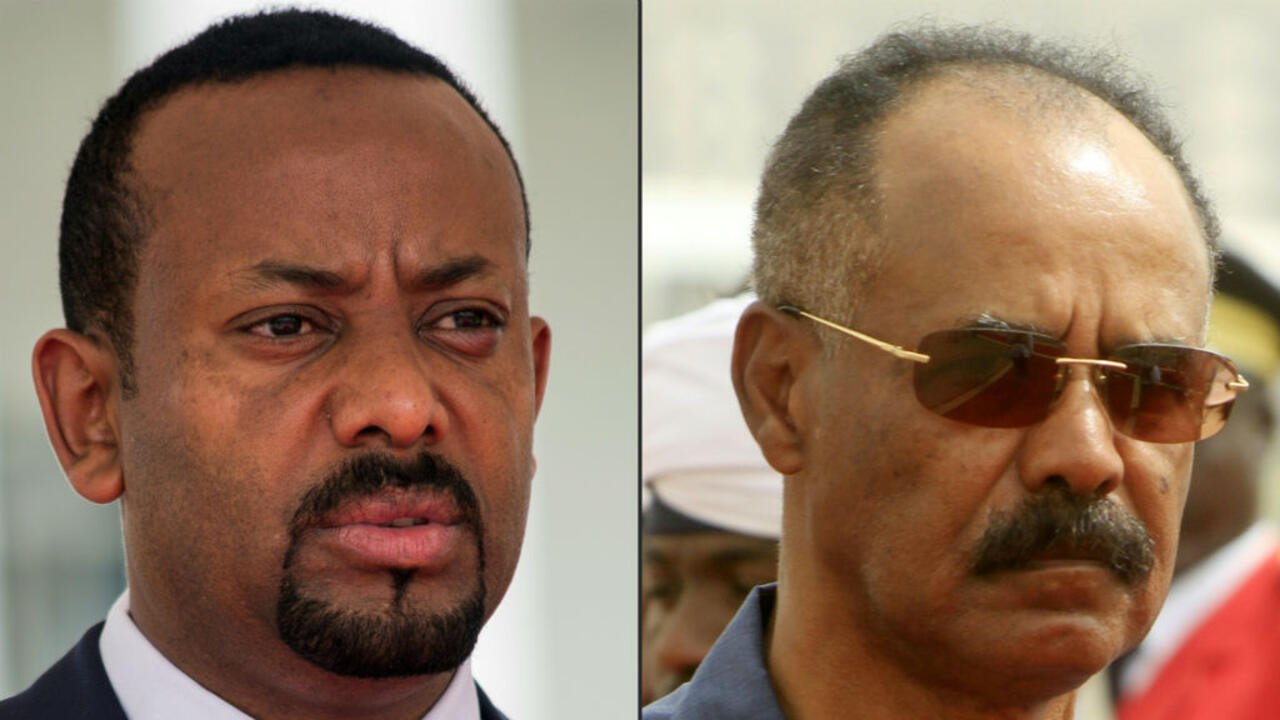
At the centre of the unfolding tensions are Ethiopian Prime Minister Abiy Ahmed and Eritrean President Isaias Afwerki, two leaders whose political decisions, military strategies and regional ambitions could determine whether the dispute develops into another devastating conflict.
The possibility of renewed hostilities has raised an important question: if Ethiopia and Eritrea go to war, which country would have the military advantage, and what would the consequences be for the wider region?
A Fragile Relationship Turns Into Growing Hostility
Relations between Addis Ababa and Asmara have deteriorated following years of changing political alliances and disagreements over strategic interests.
The two countries fought a devastating border war between 1998 and 2000, which resulted in tens of thousands of casualties and left relations deeply strained for nearly two decades.
In 2018, Abiy Ahmed initiated a historic peace agreement with Eritrea, restoring diplomatic relations and ending years of hostility. The rapprochement earned him international recognition and contributed to his Nobel Peace Prize.
Eritrean forces later fought alongside Ethiopian federal troops during the Tigray conflict, initially strengthening military cooperation between the two governments.
However, that partnership has subsequently come under considerable pressure.
Disagreements over Ethiopia’s access to the Red Sea, developments in northern Ethiopia and competing regional interests have contributed to growing mistrust between the two governments.
Ethiopia’s Red Sea Ambitions Become a Major Point of Tension
One of the most sensitive issues between the two countries is Ethiopia’s determination to secure reliable access to the Red Sea.
As a landlocked country since Eritrea’s independence in 1993, Ethiopia depends heavily on neighbouring countries for access to international maritime trade routes.
Prime Minister Abiy Ahmed has repeatedly described access to the sea as a strategic national interest, arguing that Ethiopia’s geographical position creates long-term economic and security challenges.
Eritrea, however, views developments involving its territory and sovereignty as extremely sensitive.
The disagreement has raised concerns that competing strategic interests could eventually develop into a military confrontation if diplomatic channels fail.
What Is Happening Around Moyale?
The Moyale area has also attracted attention amid wider regional security concerns.
Located along the Ethiopia-Kenya border, Moyale is an important commercial and strategic border town connecting the two countries.
Its geographical position makes it significant for cross-border trade, transportation and regional security.
However, Moyale is not located along the Ethiopia-Eritrea border. Therefore, developments around the town should be treated as a separate security issue unless reliable evidence establishes a direct connection with the tensions between Addis Ababa and Asmara.
Reports of military movements or armed incidents in the area require independent confirmation before being interpreted as part of a wider Ethiopia-Eritrea confrontation.
Ethiopia vs. Eritrea: Who Has the Stronger Military?
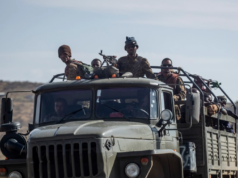
A potential war between Ethiopia and Eritrea would involve two countries with significantly different military capabilities, population sizes and strategic advantages.
Ethiopia’s military position
Ethiopia has a substantial numerical advantage in terms of population and overall military resources.
Its armed forces possess experience in conventional warfare, counterinsurgency operations and large-scale military campaigns.
However, Ethiopia also faces significant internal security challenges, including armed conflicts and political instability in several regions. These challenges could affect its ability to concentrate military resources on an external conflict.
Eritrea’s military position
Eritrea maintains a highly militarised national security system, with extensive military mobilisation and a population that has experienced decades of compulsory national service.
Its armed forces have considerable experience in regional conflicts, particularly the 1998–2000 war against Ethiopia.
Eritrea’s geographical position could also provide defensive advantages in certain border areas.
Nevertheless, its smaller population and more limited economic resources could create challenges in sustaining a prolonged conventional war.
Ultimately, the outcome of any conflict would depend on military readiness, logistics, air power, intelligence, geography and the ability of each government to sustain its forces.
Could Another War Destabilise the Entire Horn of Africa?
A direct military confrontation between Ethiopia and Eritrea would have consequences far beyond the two countries.
The Horn of Africa is already facing multiple security and political challenges, and another major war could further destabilise the region.
Somalia could face additional diplomatic and security complications, particularly given Ethiopia’s military and political involvement in regional security arrangements.
Djibouti could also face increased strategic pressure because of its importance as Ethiopia’s principal maritime trade corridor.
Sudan and Kenya could experience additional diplomatic, economic and security challenges as regional tensions expand.
Furthermore, renewed fighting could disrupt trade, increase displacement and create opportunities for armed groups to exploit instability.
Abiy Ahmed and Isaias Afwerki: A Conflict With No Easy Victory
Although Ethiopia possesses a significant numerical advantage, that alone does not guarantee victory in a potential war.
Eritrea’s military experience, mobilisation system and geographical position could complicate any Ethiopian military campaign.
At the same time, Eritrea would face considerable difficulties in sustaining a prolonged conflict against a much larger neighbouring country with greater human and economic resources.
Both governments would also have to consider the political, economic and diplomatic costs of another war.
A military confrontation could therefore become extremely costly for both sides, regardless of which country achieves battlefield advantages.
Will Diplomacy Prevent Another Regional War?
The immediate challenge for both governments is to prevent political disagreements from escalating into direct military confrontation.
Diplomatic engagement, regional mediation and international pressure could play an important role in reducing tensions.
The African Union and neighbouring countries have a significant interest in preventing another Ethiopia-Eritrea war, given the potential consequences for regional stability.
For now, uncertainty continues to surround the future relationship between Abiy Ahmed and Isaias Afwerki.
The biggest question is not simply whether Abiy Ahmed or Isaias Afwerki would prevail in a military confrontation. It is whether another war between Ethiopia and Eritrea could plunge the entire Horn of Africa into a prolonged period of instability, with consequences for millions of people across the region.