ADDIS ABABA/ASMARA — Tensions between Ethiopia and Eritrea have intensified following renewed fighting in northern Ethiopia’s Tigray region, raising concerns that the internal conflict could develop into a broader military confrontation between the neighboring countries.
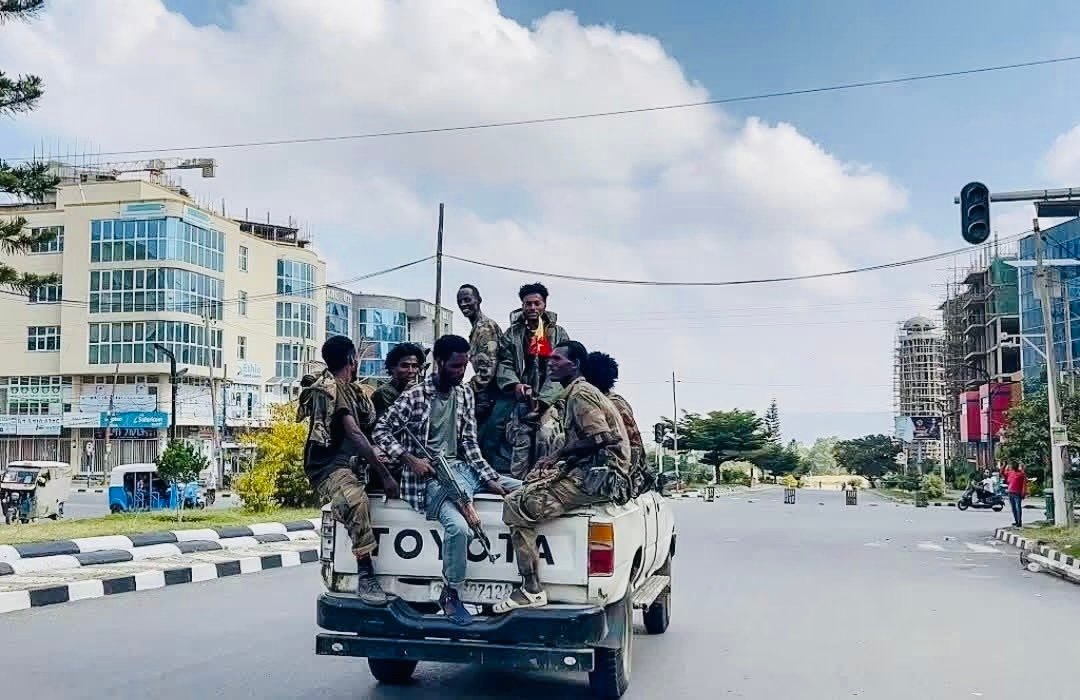
Reports indicate that Ethiopian federal forces advanced into Zalambessa, a strategic border town, amid renewed clashes involving forces aligned with rival sides in the region. The developments have heightened concerns about possible military escalation along the Ethiopia–Eritrea border.
Ethiopian Forces Advance Toward the Eritrean Border
The reported advance toward Zalambessa comes amid renewed fighting involving Ethiopian federal forces, allied fighters and the Tigray People’s Liberation Front (TPLF).
The latest clashes represent a serious deterioration in the security situation following the peace agreement that ended the devastating 2020–2022 Tigray war.
Military movements near the Eritrean border have attracted particular attention because of the potential for local fighting to draw the two neighboring countries into direct confrontation. However, details about troop deployments and control of specific areas remain contested.
Ethiopia and Eritrea Exchange Accusations
The Ethiopian government has accused Eritrea of deploying troops inside Ethiopian territory and supporting Tigrayan forces. Addis Ababa has described the alleged activities as a threat to its sovereignty and territorial integrity.
Eritrea has rejected accusations of invading Ethiopia and disputed claims that it is responsible for the rising tensions. The competing allegations have further strained relations between the two governments and increased uncertainty about the prospects for regional stability.
Neither side’s allegations should be treated as independently established facts without further verification.
A Fragile Peace Between Former Allies
Ethiopia and Eritrea signed a peace agreement in 2018, ending decades of hostility. During the Tigray war that began in 2020, Eritrean forces fought alongside Ethiopia’s federal government against Tigrayan forces.
Relations between the two countries have since deteriorated. Disagreements over regional security, territorial issues and Ethiopia’s ambition to secure reliable access to the sea have contributed to tensions between Addis Ababa and Asmara.
Ethiopia became landlocked when Eritrea gained independence in 1993. Prime Minister Abiy Ahmed’s government has repeatedly described maritime access as a strategic national priority, while maintaining that the issue should be pursued through peaceful means and dialogue.
The question of sea access has added another sensitive dimension to an already strained relationship between the two countries.
Regional and International Concerns
The renewed fighting has raised concerns that another conflict could destabilize the wider Horn of Africa, a region already facing significant security and humanitarian challenges.
A direct confrontation between Ethiopia and Eritrea could have far-reaching consequences, including civilian displacement, disruption to trade and increased pressure on regional security arrangements.
Diplomatic engagement and restraint are therefore critical to preventing further escalation. International and regional actors are likely to face growing pressure to encourage dialogue and support efforts to reduce tensions.
What Happens Next?
The situation remains uncertain, with the risk of further escalation depending on military movements, political decisions and diplomatic efforts.
Although the reported advance toward Zalambessa and the competing accusations have intensified fears of a wider war, these developments alone do not establish that a direct interstate conflict has begun.
Independent verification of military movements and continued diplomatic engagement will be important in determining whether the situation moves toward de-escalation or further confrontation.