
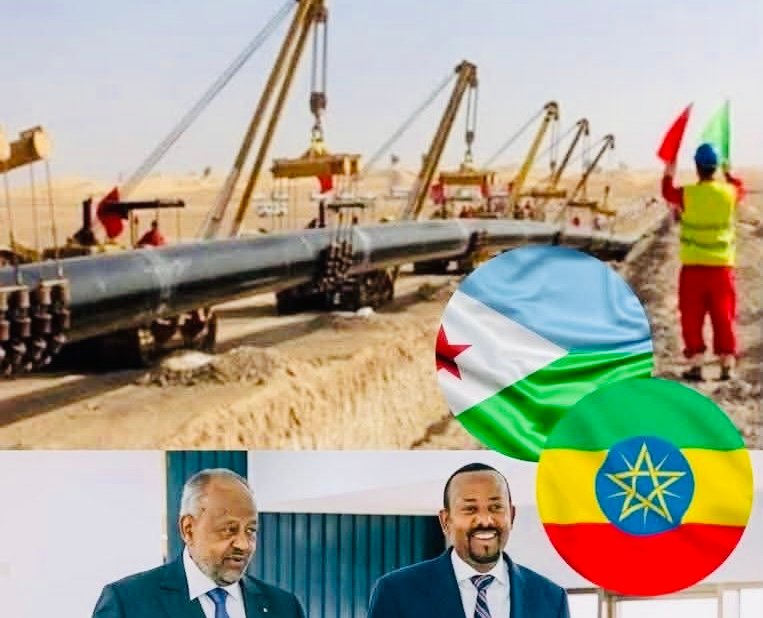
ADDIS ABABA — Ethiopia has unveiled an ambitious multi-billion-dollar energy project aimed at exporting natural gas and crude oil to international markets through neighboring Djibouti, according to regional officials and investment authorities.
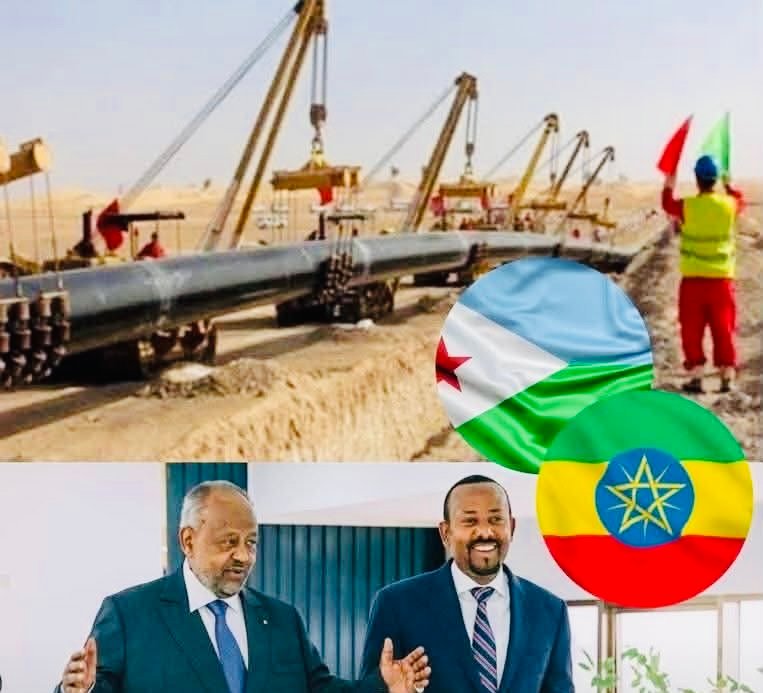
The plan, proposed by the state-owned Ethiopian Investment Holdings (EIH), includes the construction of new oil and gas pipelines linking Ethiopia’s Ogaden region to the Port of Djibouti, a strategic trade gateway in the Horn of Africa. Officials say the proposal has already been presented to Djiboutian authorities and received preliminary approval.
Under the project, Ethiopia would export crude oil and natural gas via Djibouti while also importing refined petroleum products from Djiboutian refineries through the same transport network.
Two-Phase Pipeline Project
According to details released by Ethiopian officials, the project will be implemented in two major phases.
The first phase involves the construction of a 113-kilometre fuel pipeline stretching from the Port of Djibouti to Dewele, a border town between Djibouti and Ethiopia. The pipeline is intended to facilitate the transport of refined fuel products into Ethiopia.
The second phase would see the development of a much larger 760-kilometre pipeline linking Ethiopia’s Ogaden basin — believed to contain significant natural gas reserves — directly to Djibouti’s export terminals on the Red Sea.
Investment Worth More Than $10 Billion
The total cost of the project is estimated at more than $10 billion, making it one of the largest infrastructure and energy investments ever proposed in the Horn of Africa.
The investment package is expected to include:
- Construction of crude oil and natural gas pipelines
- Fuel storage facilities
- Oil refining infrastructure
- Export terminals and related logistics services
Officials say the initiative aims to reduce Ethiopia’s dependence on imported fuel while positioning the country as a future regional energy exporter.
Strategic Importance for the Horn of Africa
If completed successfully, the project could significantly reshape the economic and geopolitical landscape of the Horn of Africa.
For Ethiopia, which has long relied heavily on imported petroleum despite possessing untapped gas reserves in the Ogaden region, the pipeline could open a direct route to global energy markets and generate billions of dollars in export revenue.
For Djibouti, already a major maritime hub serving landlocked Ethiopia, the project would further strengthen its role as a strategic logistics and energy corridor connecting Africa to the Middle East and Asia.
Analysts say the plan also reflects increasing international interest in the Horn of Africa’s energy potential, as global powers and foreign investors compete for influence in the region’s infrastructure and natural resources sectors.
The Ogaden basin has attracted foreign interest for years due to its large gas reserves, although insecurity, political tensions and infrastructure challenges have delayed large-scale development projects in the past.
No official timeline has yet been announced for the start of construction.