TEHRAN — Iran has reportedly stated that it will not reopen the Strait of Hormuz until the United States accepts conditions set by Tehran, signaling that the strategic waterway remains a major point of leverage amid escalating tensions between the two countries.
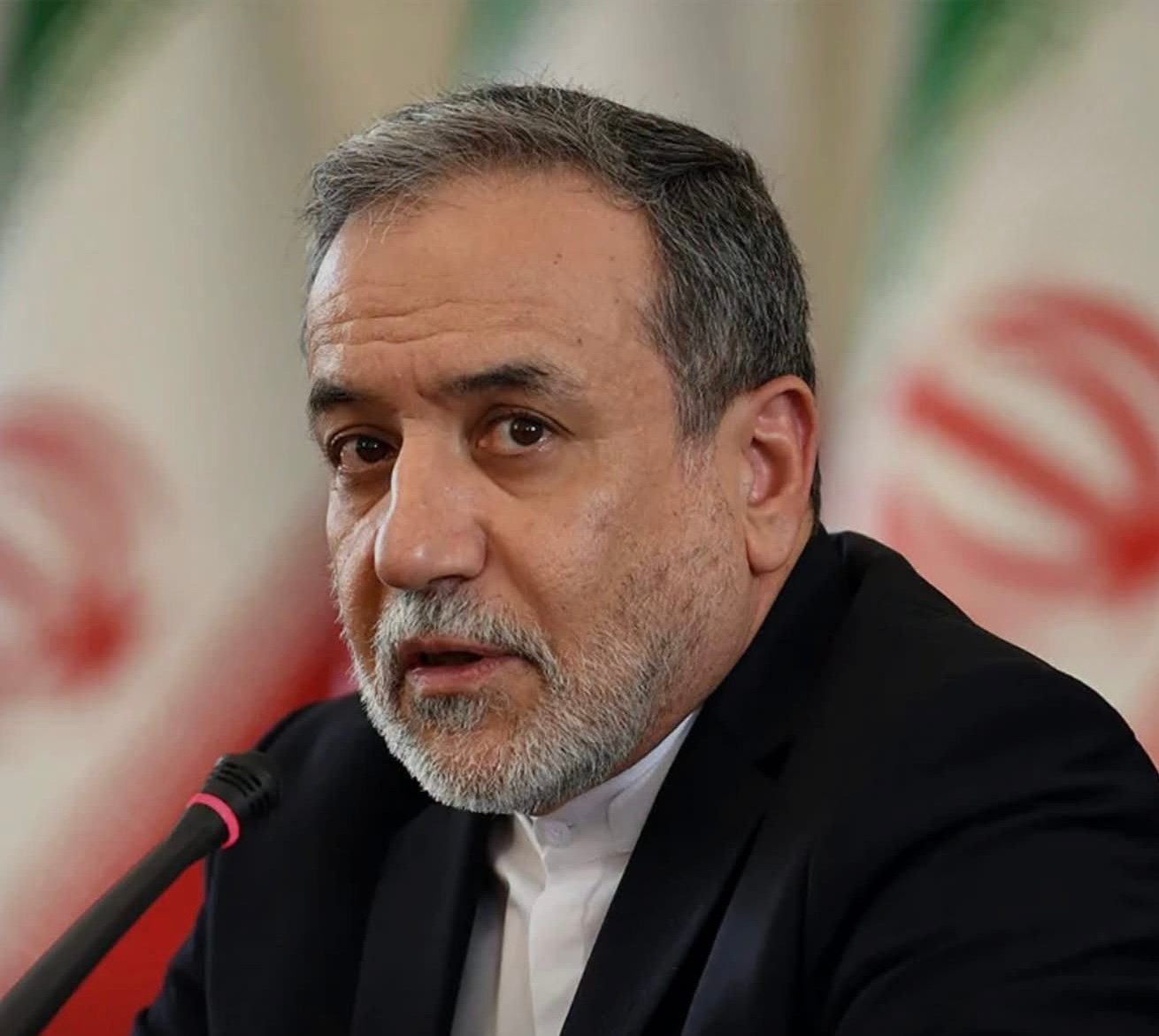
Iranian Foreign Minister Abbas Araghchi reportedly clarified that Tehran is not engaged in direct negotiations with Washington. Instead, he said messages are being exchanged indirectly through mediators.
The comments suggest that diplomatic communication between Iran and the United States is continuing, despite the absence of direct talks.
The Strait of Hormuz is one of the world’s most important maritime routes, carrying a significant share of global oil and energy shipments. Any prolonged disruption could therefore put pressure on international energy markets, shipping companies and countries dependent on oil imports.
Iran’s position indicates that the reopening of the waterway could be linked to broader diplomatic and security negotiations with Washington. Tehran appears to be seeking guarantees and concessions before considering any change to its current position.
The latest statements also raise concerns about the possibility of further escalation if negotiations fail to produce an agreement. Regional governments and international markets are closely watching developments because any prolonged restrictions around Hormuz could have consequences well beyond the Middle East.
For now, Iran says communication with the United States is taking place through intermediaries, while direct negotiations remain off the table.
Further developments are expected as diplomatic efforts continue and both sides assess their respective conditions.