TEHRAN — Negotiations between Iran and the United States over Tehran’s nuclear programme are continuing to make cautious progress, even as internal pressure builds within Iran’s political and security establishment over the scope of possible concessions in a potential agreement.
Officials from both sides have signalled that discussions are moving closer to a framework understanding, with media reports in both countries suggesting that draft proposals include elements addressing uranium enrichment limits, monitoring mechanisms, and phased sanctions relief.
While neither Washington nor Tehran has confirmed the details of any emerging deal, the tone of recent diplomatic exchanges has been described by analysts as “more constructive” compared to previous rounds of stalled talks.
However, the diplomatic momentum is being tested by internal divisions in Tehran, where senior figures within the Islamic Revolutionary Guard Corps (IRGC) have reportedly expressed concern over what they view as excessive concessions in the negotiations.
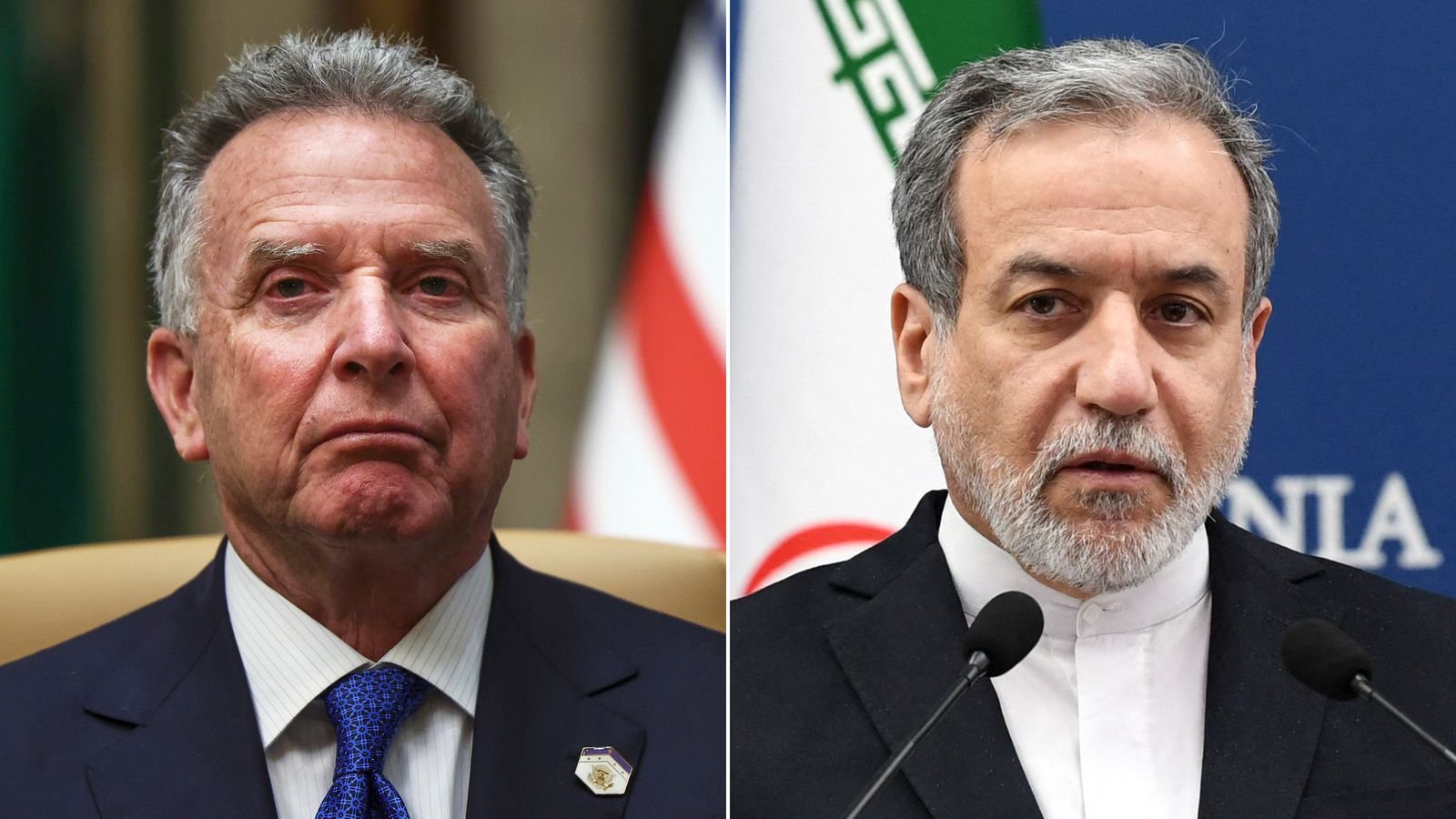
According to sources familiar with internal discussions, hardline voices within Iran’s security establishment have warned Foreign Minister Abbas Araghchi against accepting any arrangement that could be portrayed domestically as a strategic retreat or political “submission” to Western demands.
The IRGC, which holds significant influence over Iran’s security and regional policy, has long been sceptical of engagement with the United States, particularly on issues linked to Iran’s nuclear programme and sanctions architecture.
Foreign Minister Araghchi has continued to maintain that talks remain ongoing and that no final agreement has been reached, urging caution against speculation until an official text is released.
“We are still in the process of negotiation. No final decision has been made,” he was quoted as saying in remarks aimed at calming domestic and international speculation.
Analysts say the internal friction highlights the fragile balance Iranian negotiators must maintain between securing economic relief through sanctions easing and managing resistance from powerful domestic institutions.
The United States has not publicly detailed the status of the talks but has repeatedly stated that any agreement must ensure Iran cannot develop nuclear weapons, while Tehran insists its programme remains strictly peaceful and aimed at civilian energy production.
Diplomatic observers note that the negotiations reflect broader regional tensions, with Gulf states, Israel, and European powers closely monitoring any potential shift in the nuclear file, given its implications for Middle East security.
Despite reported progress, significant disagreements remain over verification mechanisms, the pace of sanctions relief, and long-term limits on Iran’s nuclear activities.
For now, both sides appear to be keeping the door open to a potential agreement — but officials and analysts alike caution that the talks remain highly sensitive and far from final.