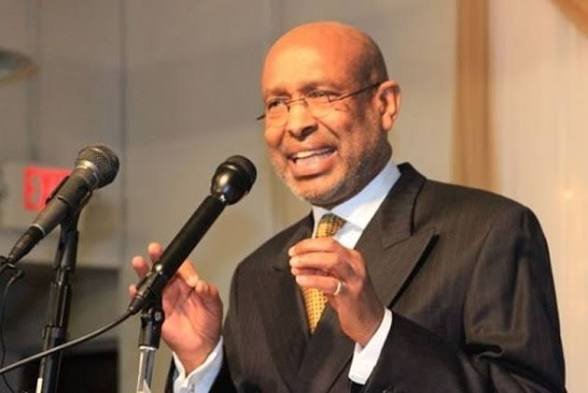
HARGEISA — Professor Ahmed Ismail Samatar has sharply criticized Somaliland Leader Abdirahman Mohamed Abdullahi “Irro” over his recent visit to the United States, arguing that the trip failed to produce meaningful results for Somaliland.
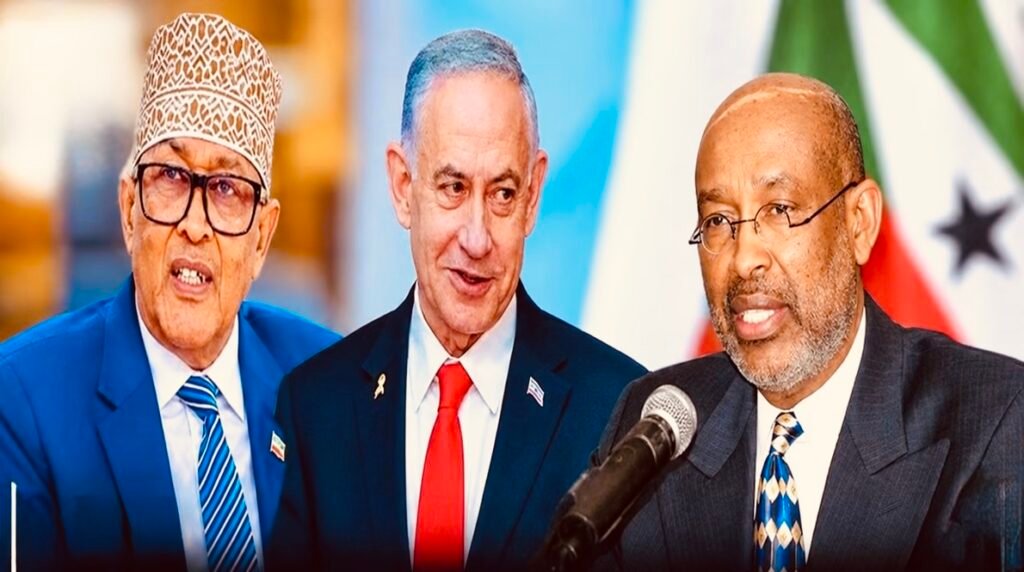
Samatar, a prominent Somali academic and political commentator, said he believed the president’s U.S. visit did not deliver the political or diplomatic gains that many had expected. He described the trip as costly and unsuccessful, saying Somaliland returned without securing a significant outcome.
“President Irro’s trip to the United States brought nothing. It was a loss,” Samatar said.
The criticism comes as Somaliland continues to prioritize international diplomacy, particularly efforts to strengthen relations with the United States and other Western countries while seeking greater international recognition.
Questions Over Diplomatic Results
Samatar’s remarks have renewed debate over the effectiveness of Somaliland’s foreign-policy strategy and the results of high-level diplomatic visits.
Supporters of President Irro’s administration have emphasized the importance of international engagement, arguing that building diplomatic relationships can be a long-term process. They may also point to meetings, discussions and political contacts during overseas visits as part of a broader strategy rather than measures that necessarily produce immediate agreements.
Critics, however, argue that diplomatic visits should result in clearer commitments, including stronger political support, economic cooperation, development assistance or progress toward Somaliland’s international objectives.
The United States remains an important diplomatic and strategic partner in the Horn of Africa, where questions surrounding Somaliland’s status, Somalia’s territorial integrity, Red Sea security and regional competition continue to attract international attention.
Recognition Remains Central Issue
Somaliland declared its separation from Somalia in 1991 but has not received formal international recognition as an independent state. Its successive governments have made international recognition a central foreign-policy objective.
President Irro’s administration has also sought to expand Somaliland’s diplomatic engagement and strengthen its international profile. The government has yet to publicly demonstrate whether the latest U.S. visit will translate into concrete policy developments in the longer term.
Samatar’s comments therefore highlight a broader political question: whether Somaliland’s international diplomatic efforts are producing tangible results or primarily generating meetings without major policy commitments.
There has been no indication in the remarks that the United States formally rejected any specific Somaliland proposal during the visit, and the professor’s assessment appears to be a political judgment rather than an independently verified measure of the trip’s overall outcome.