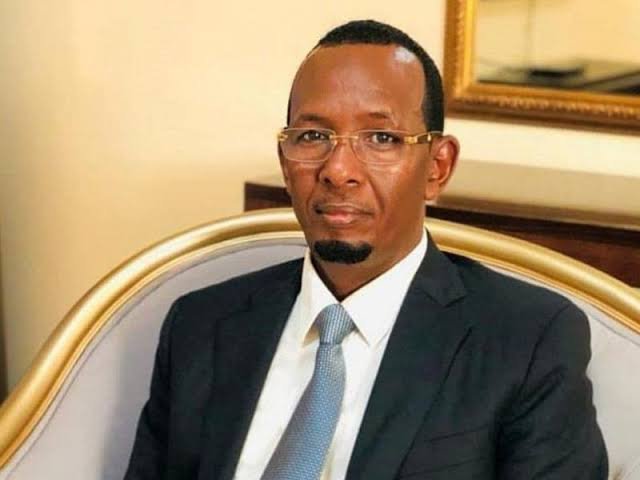
Lawmaker says sidelining Hawadle would amount to rejecting Hiiraan as political tensions intensify
MOGADISHU — A senior Somali lawmaker has warned that escalating political tensions in Hirshabelle State could deepen divisions between its two constituent regions, after accusing political leaders of marginalizing the Hawadle community and, by extension, Hiiraan.
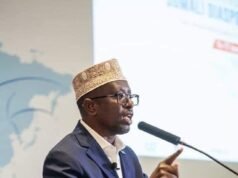
Abdullahi Mohamed Ali Sanbaloolshe said the political future of Hirshabelle could not be secured without addressing concerns over representation and power-sharing in Hiiraan, amid an increasingly heated dispute over the state’s political and electoral process.
“If Hawadle is denied, it means Hiiraan has been denied. In return, we will deny Middle Shabelle. Let Balcad and Jowhar be enough for Hassan Sheikh and Ali Abdullahi Guudlaawe,” Sanbaloolshe said.
The remarks represent one of the strongest warnings yet from a prominent political figure as disagreements over Hirshabelle’s future increasingly move to the center of Somalia’s wider political debate.
Hirshabelle comprises Hiiraan and Middle Shabelle, but political competition between the two regions has repeatedly complicated efforts to build consensus over leadership, representation and elections.
Sanbaloolshe’s comments suggest that dissatisfaction in Hiiraan could translate into a broader political challenge to the existing power structure within the state if an agreement is not reached.
The dispute comes as political actors and traditional leaders push for consultations involving key stakeholders before major decisions are taken on Hirshabelle’s electoral arrangements.
For the Federal Government in Mogadishu, the growing tensions present a sensitive political challenge. Any failure to secure an inclusive agreement could complicate efforts to maintain stability in Hirshabelle and advance the electoral process.
The latest confrontation also highlights a broader issue facing Somalia’s federal system: how to balance regional political interests while maintaining functioning state institutions and a credible electoral process.
With positions hardening, attention is increasingly focused on whether political leaders can bring the rival sides back to the negotiating table.
Failure to reach a compromise, analysts and political stakeholders warn, could transform the current dispute over representation into a deeper political confrontation over the future of Hirshabelle itself.