
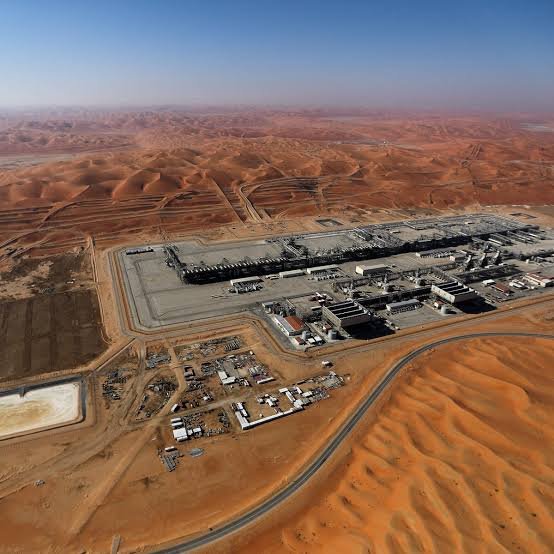
RIYADH — Saudi Arabia is considering plans to expand its oil pipeline network to ports along the Red Sea as part of efforts to increase export capacity and reduce its dependence on the Strait of Hormuz, one of the world’s most strategically important maritime chokepoints.
The proposed expansion would strengthen Saudi Arabia’s ability to transport and export crude oil through Red Sea terminals, providing an alternative route should tensions disrupt traffic through the Strait of Hormuz, which connects the Gulf region to international energy markets.
The move is expected to increase Riyadh’s strategic focus on countries bordering the Red Sea, where competition for economic and logistical influence has intensified in recent years.
Saudi Arabia’s plans come as the United Arab Emirates, its Gulf partner and economic competitor, has already expanded its presence in Red Sea ports through investments in maritime infrastructure, trade routes, and logistics networks. The growing economic competition between the two wealthy Gulf states could extend further into the Red Sea region, potentially creating new areas of rivalry.
The Red Sea has become increasingly important due to its role as a major global trade corridor linking Asia, Africa, Europe, and the Middle East. Control and influence over ports along the waterway have become a key strategic priority for regional and international powers.
Analysts say Saudi Arabia’s push to strengthen its Red Sea position reflects a broader effort to diversify its economic and security options while supporting the goals of its Vision 2030 development strategy.
The evolving competition between Riyadh and Abu Dhabi could reshape investment patterns and political alliances across Red Sea countries, including those in the Horn of Africa, where Gulf states have increased their diplomatic, economic, and security engagement in recent years.