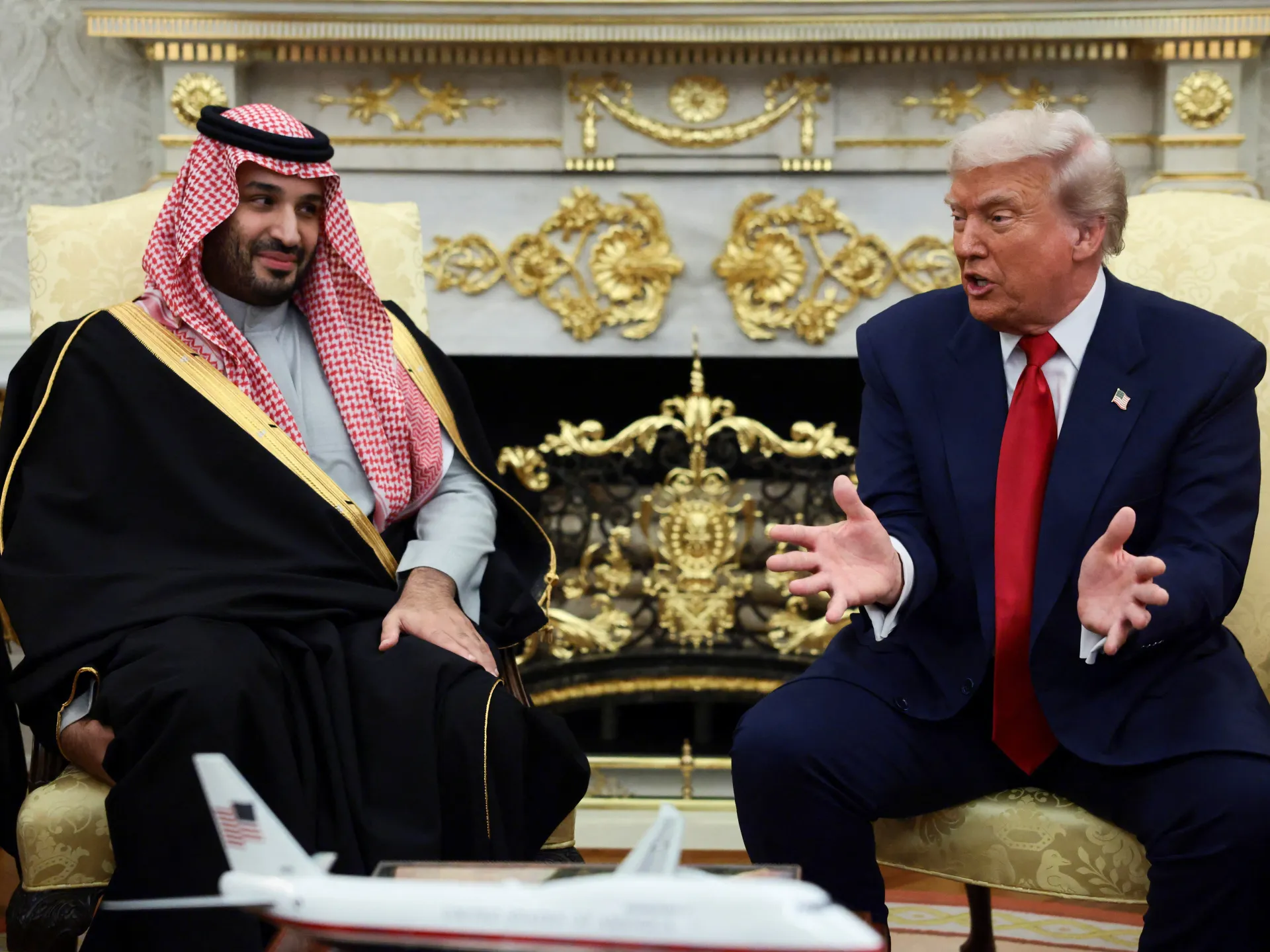
RIYADH/WASHINGTON — Saudi Arabia has declined a request by the United States to use its military bases and airspace for operations linked to monitoring and potentially responding to tensions in the Strait of Hormuz, according to officials and media reports, marking a significant constraint on Washington’s regional military planning.
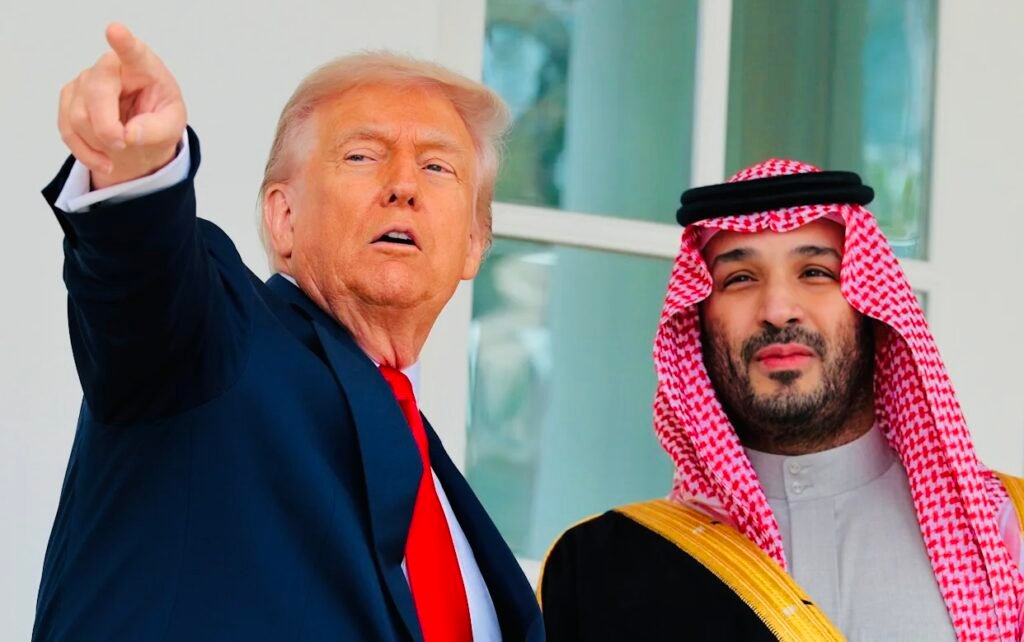
The decision comes as the United States, under President Donald Trump, has been considering expanded maritime security operations in response to growing concerns over shipping risks in the Gulf, particularly around the Strait of Hormuz — a critical chokepoint for global oil and gas shipments.
Saudi Arabia’s refusal reportedly includes denial of access to its airspace for U.S. military aircraft, rejection of refueling operations for American aerial tankers, and limits on the use of existing U.S.-linked military facilities inside the kingdom.
Officials familiar with the matter say Riyadh’s decision reflects a broader reassessment of its regional security posture, as the kingdom seeks to avoid direct involvement in a potential confrontation between Washington and Tehran.
The move highlights the increasingly cautious approach of Saudi Arabia, which has been working in recent years to de-escalate tensions with Iran, including diplomatic outreach and regional normalization efforts.
The United States had been exploring the use of Gulf bases to support maritime surveillance operations in the Gulf of Oman and Hormuz corridor, rapid-response capabilities in case of attacks on commercial vessels, and air refueling support for fighter aircraft deployed in the region.
Without Saudi logistical support, U.S. military planners may be forced to rely more heavily on alternative regional partners such as Qatar and the United Arab Emirates, or extend naval deployments already present in the area.
The Strait of Hormuz remains one of the world’s most strategically sensitive maritime routes, with roughly one-fifth of global oil trade passing through it, making it a potential trigger point for global energy disruptions in the event of escalation.
Analysts say Saudi Arabia’s decision signals a desire to avoid being drawn into a direct U.S.-Iran confrontation, a shift toward a more independent foreign policy in the Gulf, and continued prioritization of domestic economic reforms under Vision 2030.
Neither the White House nor Saudi officials have publicly confirmed the specific details of the reported request.