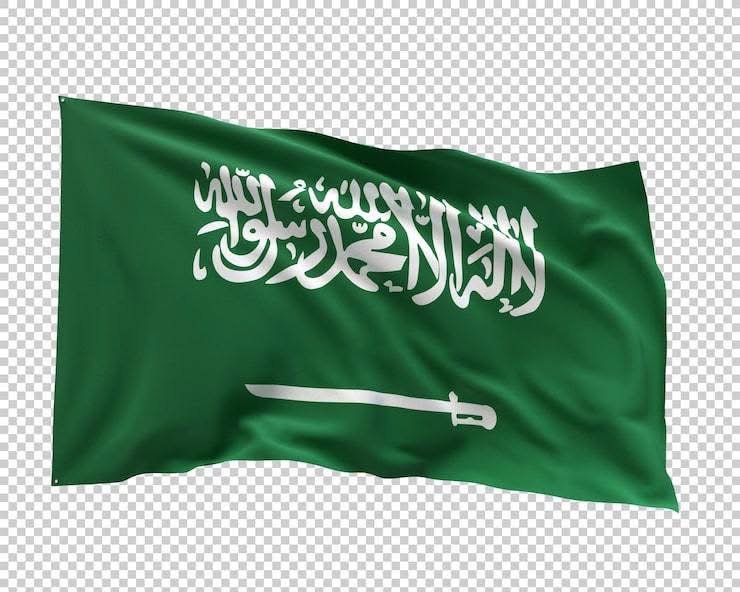
RIYADH — Saudi Arabia maintains one of the most advanced and layered air defence networks in the Middle East, combining sophisticated missile interception systems, advanced radar technology, and short-range defence platforms designed to protect its territory from growing aerial threats.
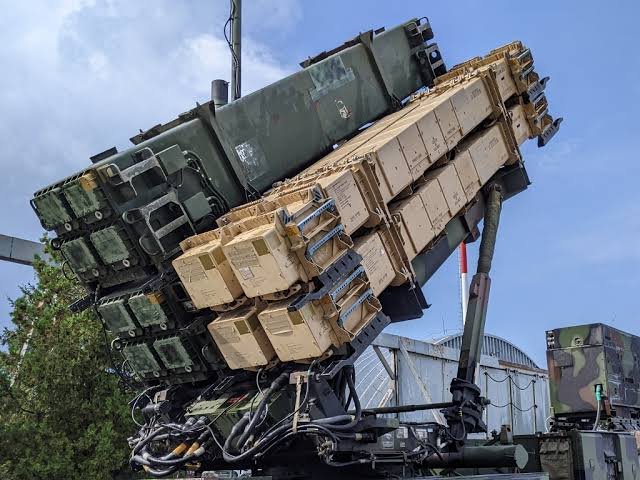
The Kingdom’s air defence structure is built around the Patriot PAC-2 and PAC-3 missile systems, which provide protection against ballistic missiles, aircraft, cruise missiles, and unmanned aerial vehicles (UAVs). The PAC-3 variant offers enhanced interception capabilities against faster and more advanced threats through precision hit-to-kill technology.
Saudi Arabia has also strengthened its defence network with the Terminal High Altitude Area Defense (THAAD) system, acquired from the United States. The system provides an additional layer of protection by intercepting ballistic missiles at high altitudes before they can reach their targets.
Supporting these missile defence systems are advanced early-warning and tracking radars, including the AN/TPY-2 radar, which enables the detection of incoming threats from long distances and allows defence forces to respond rapidly.
The Kingdom has invested heavily in air defence following repeated missile and drone attacks in recent years, particularly from Yemen’s Houthi movement. Previous attacks have targeted military facilities, energy infrastructure, and urban areas, highlighting the growing challenges posed by modern missile warfare.
Despite possessing some of the world’s most advanced defence technologies, Saudi Arabia’s air shield faces increasing challenges as adversaries develop more sophisticated attack methods. Modern warfare increasingly involves coordinated strikes using ballistic missiles, drones, and other aerial systems designed to overwhelm defensive networks.
Military analysts note that no air defence system is completely impenetrable. The effectiveness of missile shields depends on factors such as the number of incoming threats, the speed and type of weapons used, intelligence capabilities, and the ability to coordinate rapid responses.
The future of air defence is expected to rely on a combination of advanced missile interceptors, artificial intelligence, electronic warfare, counter-drone systems, and improved surveillance technologies.
Saudi Arabia’s air defence network remains among the strongest in the Gulf region, but evolving missile technologies and regional security tensions continue to test its ability to counter emerging threats.