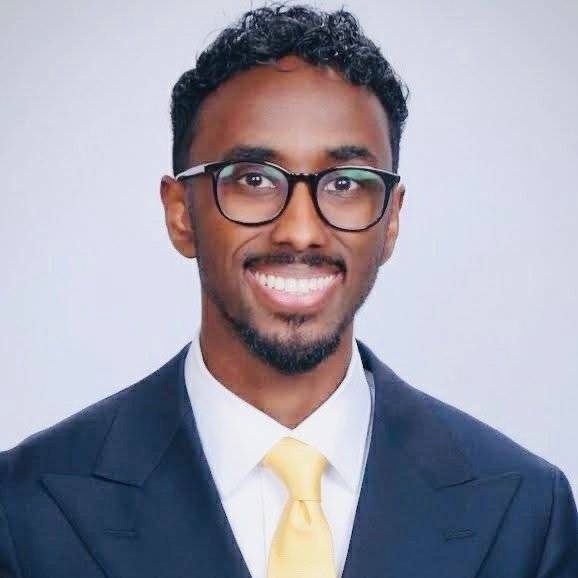
SALT LAKE CITY — A 27-year-old Somali-American, Liban Mohamed, has secured the Democratic Party’s endorsement to represent Utah in an upcoming U.S. congressional race, drawing national attention and marking a significant moment for the Somali diaspora in the United States.
Mohamed, the son of immigrant parents, is set to contest the June election for a seat in the U.S. House of Representatives. His emergence has been widely discussed in American media, with some outlets comparing his political rise to that of Ilhan Omar, one of the first Somali-Americans elected to Congress.
The comparison has fueled speculation that Somali-Americans could expand their representation in Congress, potentially holding two seats if Mohamed succeeds in Utah while Omar continues to represent Minnesota.
Mohamed’s victory in the Democratic selection process is seen as particularly striking given Utah’s demographics. The western U.S. state has a predominantly white population, estimated at around 50 percent, with Latinos making up about 17 percent. Black and Muslim communities remain very small, with Muslims believed to account for less than one percent of the population.
Despite these challenges, Mohamed defeated several well-known local politicians, including former Congressman Ben McAdams, who previously held the seat as a Democrat. His win has been described by supporters as unexpected and symbolic of changing political dynamics.
The selection vote, held at Jordan Primary School, drew a strong reaction from attendees. Mohamed received loud applause when his name was announced, while some of his rivals faced a less favorable response.
He is said to enjoy strong support in Salt Lake City, Utah’s capital.
Analysts and community members have also linked Mohamed’s rise to broader visibility of Somali-Americans in U.S. politics, particularly following tensions between former President Donald Trump and Somali communities in Minnesota during his administration. Those disputes, including criticism directed at Ilhan Omar, brought increased national attention to Somali-Americans.
Supporters argue that Mohamed’s candidacy reflects both his personal appeal and the growing political engagement of Somali communities across the United States.
Further developments in the race are expected as the June election approaches.