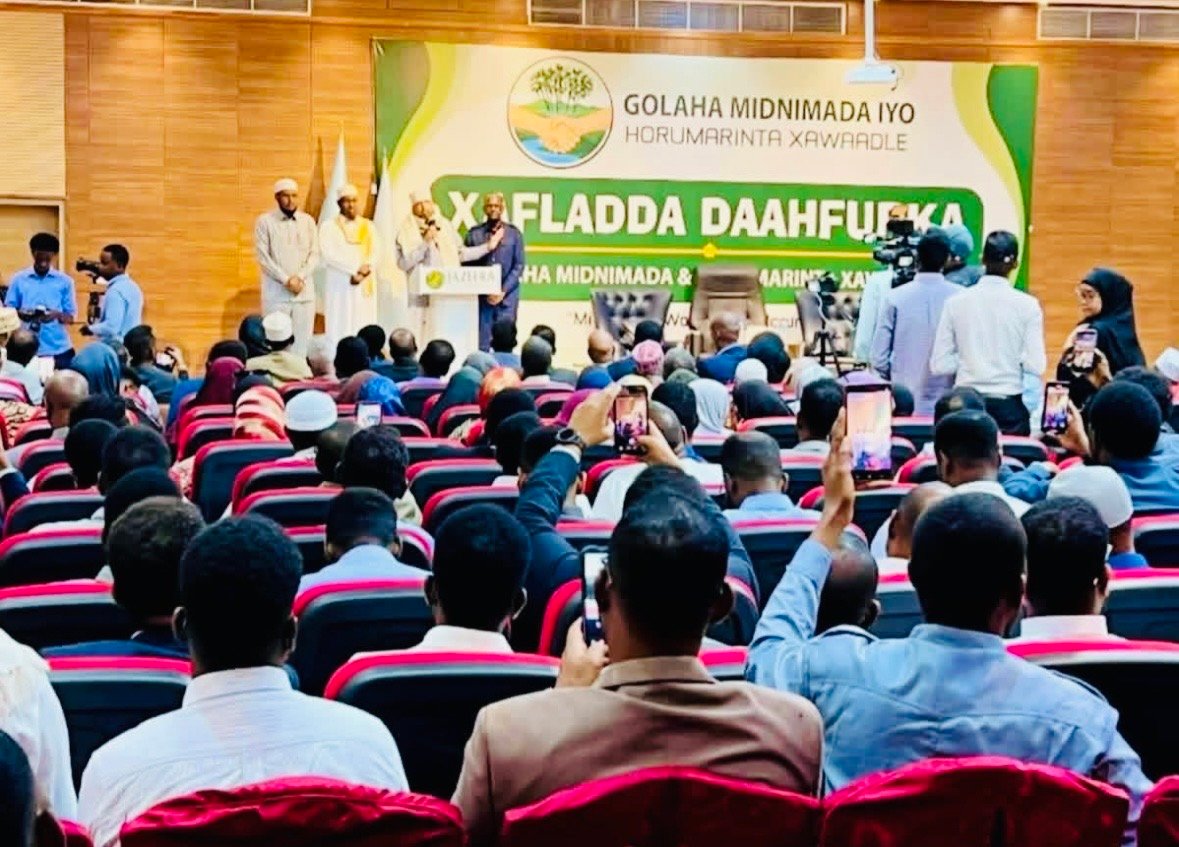
MOGADISHU — Influential figures from the Hawadle clan have agreed to establish a formal unity and development council, in a move analysts say reflects a broader trend of communities in Somalia seeking more organised political coordination and local governance structures.
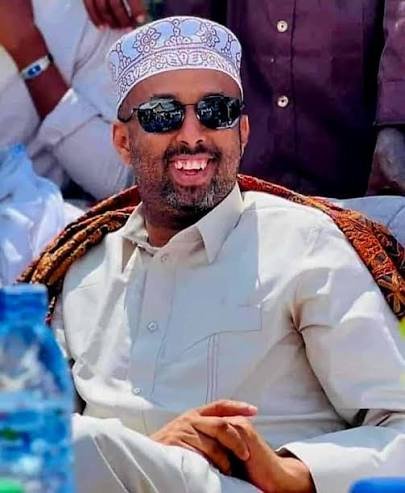
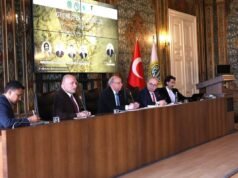
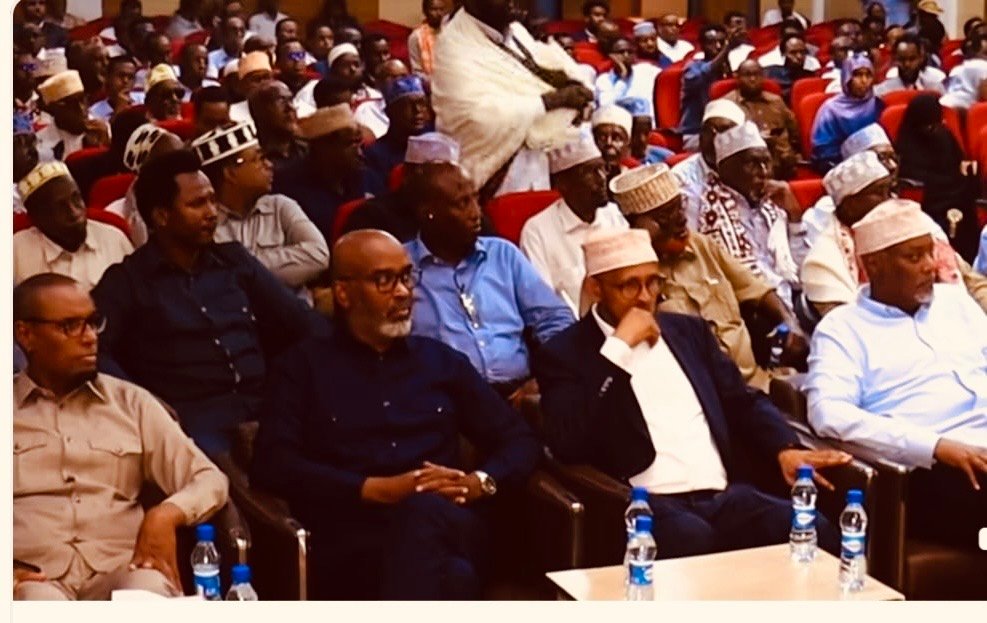
The decision followed a high-level conference held in Mogadishu on May 31, 2026, which convened the clan’s traditional leadership, led by Ugaas Yusuf Ugaas Hassan Ugaas Khalif, alongside politicians, religious scholars, business leaders, intellectuals, security officials, women and youth representatives.
Ugaas Yusuf Ugaas Hassan, speaking at the forum, said:
“We want all political discussions to be held in the open arena. We will take what serves our interests and reject what does not serve our interests. Anyone—whether a politician or not—who is thinking of pushing the Hawadle backward should remove that idea from his mind.”
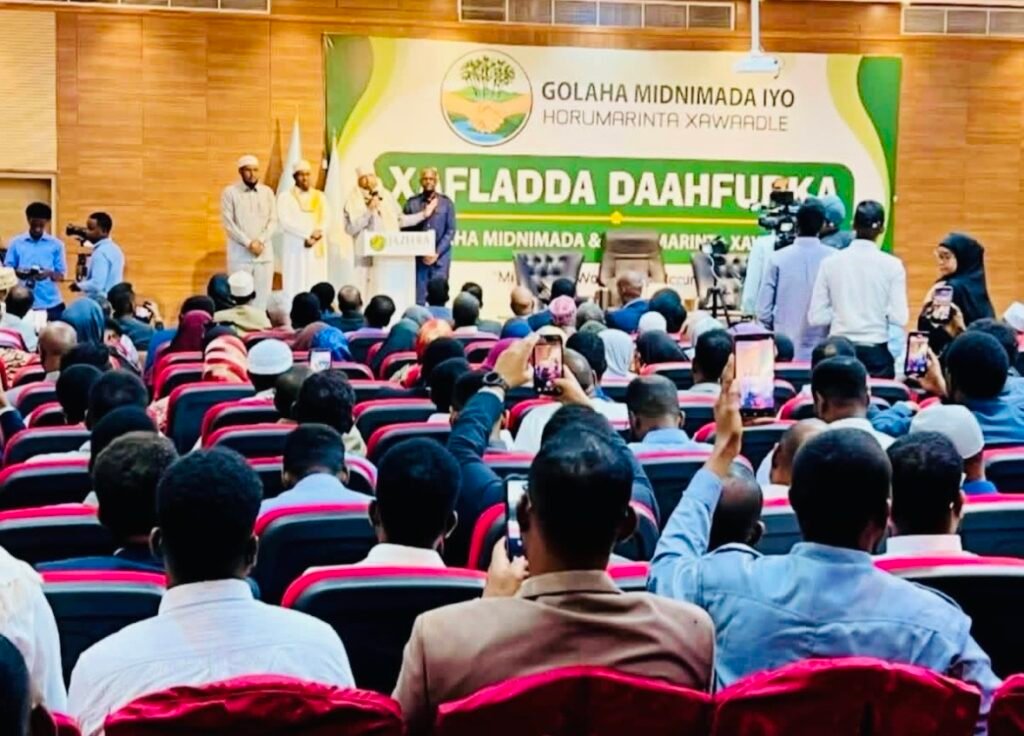
Framed as a strategic shift rather than a symbolic gathering, the meeting endorsed the rapid formation of the Golaha Midnimada iyo Horumarinta Hawadle (Hawadle Unity and Development Council), designed to institutionalise consultation, streamline decision-making and strengthen collective bargaining power within Somalia’s complex federal system.
Speaking during the conference, politician Abdullahi Mohammed Ali, widely known as Sanbalooshe, stressed the importance of political awareness and geographic presence for the community.
“If we are Hawadle, we must recognise that we are not guests in Mogadishu,” he said. “Hawadle is a large clan that lives across multiple regions, including Middle Shabelle, Lower Shabelle and the Jubba regions. We should not limit ourselves to Hiiraan alone — we must also pursue our rights in those regions.”
His remarks were seen by participants as reinforcing calls for broader representation and engagement beyond traditional strongholds.
“This is not just about unity in principle, but about building an operational structure that can deliver outcomes,” one participant told Horn Africa News on condition of anonymity.
Under the agreed framework, the council will be composed of three interconnected tiers: an Executive Committee to oversee implementation, a Central Committee to coordinate policy and priorities, and a General Assembly acting as the supreme deliberative body.
Organisers emphasised that representation across these bodies will be drawn from all segments of the community, with a stated commitment to inclusivity, equity and competence — an approach seen as critical to avoiding internal fragmentation that has historically weakened clan-based initiatives.
Observers note that such structures, while rooted in traditional authority, increasingly mirror modern governance models, blending customary leadership with technocratic input from professionals and civil society actors.
The initiative emerges at a pivotal time, as Somalia’s federal member states face ongoing political contestation, intensifying security challenges, and deeply uneven development trajectories. Community-driven platforms like the newly proposed council are viewed as potential vehicles for mobilising resources, coordinating advocacy and enhancing grassroots participation in governance.
While no formal timeline has been announced, organisers indicated that consultations to select members and operationalise the council will begin in the near term, with expectations of swift progress driven by broad consensus reached at the conference.