

MOGADISHU — The government has announced an ambitious nationwide programme to plant date palms across 300,000 hectares of land, as part of broader efforts to increase agricultural production, strengthen food security and expand the country’s agricultural sector.
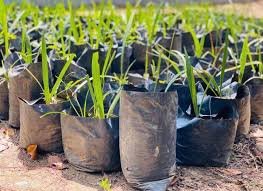
The initiative was announced by Environment and Climate Change Minister Bashir Goobe, who said the programme is aimed at promoting sustainable agricultural development while creating new economic opportunities for farmers and local communities.
According to the minister, expanding date-palm cultivation could help diversify agricultural production and reduce the country’s reliance on imported food products. The crop is also expected to provide farmers with a commercially valuable source of income while contributing to domestic food production.
The government plans to identify suitable areas for date-palm cultivation and encourage farmers, agricultural businesses and other stakeholders to participate in the programme. Authorities are also expected to promote modern farming practices, improve access to agricultural expertise and strengthen irrigation and farm-management systems.
Supporting Food Security and Farmers
The large-scale programme is expected to play a role in strengthening national food security by increasing domestic agricultural output and expanding the range of crops produced locally.
Date palms can provide both food and economic benefits, with opportunities extending beyond cultivation to processing, packaging, transportation and trade. The development of these related industries could create additional employment and income opportunities for rural communities.
Potential Environmental Benefits
In addition to its agricultural objectives, the programme could provide environmental benefits.
The expansion of tree cover may contribute to land rehabilitation and help protect agricultural areas from environmental degradation. Properly managed date-palm plantations could also support more sustainable use of agricultural land, particularly in areas where conditions are suitable for the crop.
However, the success of the initiative will depend on careful planning, access to reliable water resources, appropriate agricultural techniques and long-term support for farmers.
Government Seeks Broad Cooperation
Minister Bashir Goobe emphasized the importance of cooperation between government institutions, farmers, local communities and development partners in achieving the programme’s ambitious target.
The government is expected to work with relevant agricultural authorities and other stakeholders to determine suitable locations, provide technical assistance and develop the infrastructure required to support large-scale cultivation.
If fully implemented, the 300,000-hectare date-palm programme would represent a major investment in the country’s agricultural sector. It could potentially increase domestic food production, improve rural livelihoods and create new opportunities in farming, processing, trade and other agriculture-related industries.
The initiative forms part of wider efforts to strengthen agricultural resilience and build a more self-sufficient and sustainable food system.