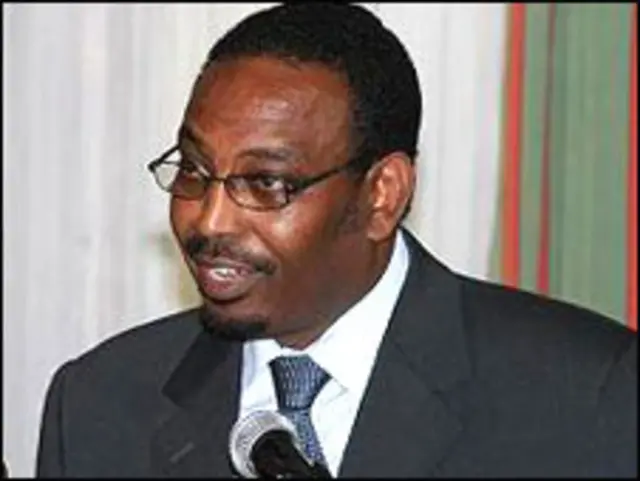
Nairobi — Somali-Kenyan Politician, Farah Moalim has called on the Somali government to assert full authority over the use of weapons, arguing that only the state should hold legitimate control over armed force in order to prevent instability and fragmentation.
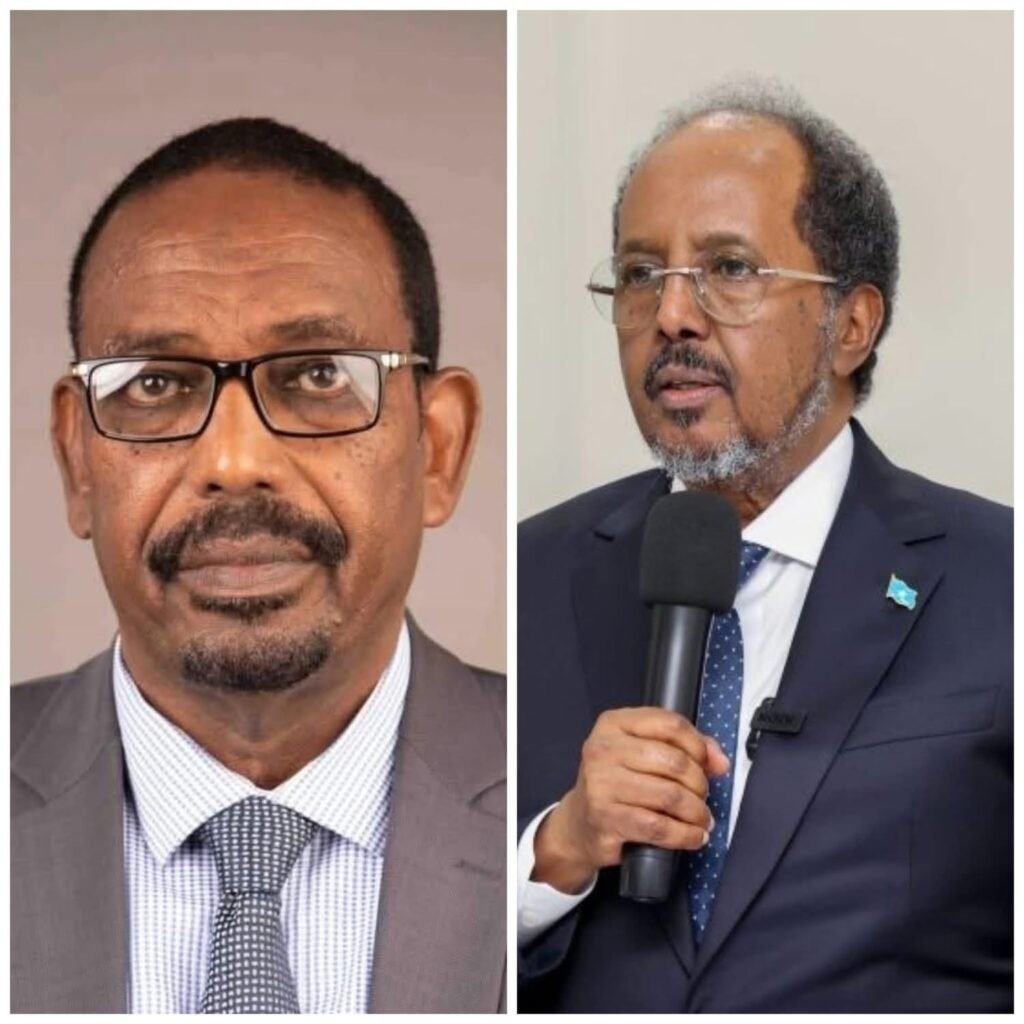
In remarks framed around ongoing security and governance challenges, Moalim stressed that the monopoly of force must remain firmly in the hands of the state. He warned that allowing non-state actors to retain or expand armed capabilities undermines national stability and weakens institutional authority.
He argued that unchecked ambition among armed groups seeking political power through violence poses a direct threat to state-building efforts. According to him, such dynamics can only be contained through a strong and coordinated governmental response.
Moalim further emphasized that one of the most persistent problems facing developing and fragile states is weak executive leadership. He suggested that insufficiently strong governing institutions often struggle to enforce law and order effectively across national territory.
Turning to Somalia’s current leadership, he said President Hassan Sheikh Mohamud carries a central responsibility in unifying the country and strengthening state institutions. He argued that national cohesion and institutional consolidation should remain top priorities for the administration.
He added that strong leadership is often what distinguishes stable states from those affected by prolonged conflict. In his view, governments that prioritize unity, territorial integrity, and the rule of law are better positioned to resist collapse.
Moalim criticized systems that rely on clan militias or armed factions, saying they have no place in a modern state structure. He described such arrangements as incompatible with long-term governance and institutional development.
He said that reliance on militias or informal armed networks tends to deepen divisions and weaken the state’s ability to function as a neutral authority. Instead, he called for a centralized and professional security structure under government command.
Addressing the broader political context, Moalim noted that poor governance can often be corrected over time through reforms and institutional strengthening. However, he warned that allowing conflict to escalate into full-scale civil war poses a far greater existential threat.
He pointed to international examples, including the United States, to illustrate that political disagreement does not necessarily translate into armed conflict. Even in systems with deep political divisions, he said, opposition forces typically pursue change through legal and electoral processes rather than violence.
Moalim reiterated that armed confrontation between political actors is particularly dangerous in fragile states, where institutions are still developing. He argued that such actions risk reversing progress and undermining long-term state-building efforts.
He concluded by urging stronger action to disarm non-state actors and reinforce the authority of official security institutions. According to him, consolidating the state’s control over weapons is essential for achieving lasting peace and stability in Somalia.