
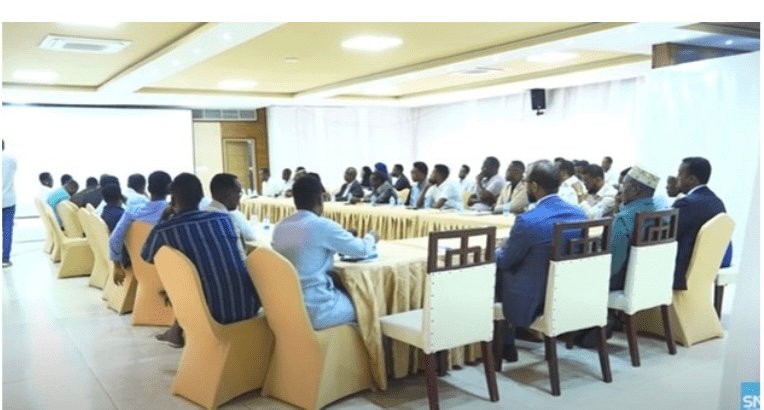
MOGADISHU — Somalia’s Ministry of Finance has achieved a major milestone in public financial reform after the Domestic Revenue Authority Law was approved, creating for the first time a dedicated legal framework governing the country’s domestic revenue institution.
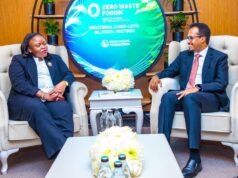
The Director General of Domestic Revenue at the Ministry of Finance, Faisal Mohamed Hashi, played a key role in advancing the legislation, which officials and supporters say will help strengthen tax administration, improve revenue collection systems and increase accountability in the management of public finances.
The approval of the law marks a significant development in Somalia’s efforts to modernize its financial institutions and build a stronger domestic revenue system capable of supporting government programs and national development priorities.
For years, Somalia has faced challenges in expanding domestic revenue collection due to limited institutional capacity, economic difficulties and decades of instability. The new legal framework is expected to provide clearer authority, responsibilities and procedures for the domestic revenue administration.
Supporters of the reform said the law will help create a more organized and transparent revenue system by improving coordination, strengthening enforcement mechanisms and encouraging better compliance among taxpayers.
Since assuming his position, Feysal Mohamed Hashi has been credited by government officials and supporters with introducing changes aimed at improving revenue performance, strengthening collection processes and increasing government income.
The Ministry of Finance has prioritized domestic revenue growth as part of Somalia’s broader economic reform agenda, with the goal of reducing dependence on external assistance and increasing the government’s ability to finance essential services, infrastructure projects and national priorities.
The establishment of a stronger domestic revenue institution is also viewed as an important step toward improving Somalia’s financial credibility and supporting its efforts to develop a sustainable economic system.
Officials said the reform will contribute to greater efficiency in tax collection while helping the government expand its financial base. They also emphasized the importance of continued reforms, including improving digital systems, enhancing transparency and strengthening cooperation between government institutions and taxpayers.
The approval of the law was welcomed by supporters who described it as a historic achievement for Somalia’s financial sector and a reflection of ongoing efforts to build stronger state institutions.
The development comes as Somalia continues working on economic reforms aimed at improving governance, increasing domestic resources and creating the foundations for long-term economic growth and stability.
Feysal Mohamed Hashi and the Ministry of Finance have urged continued cooperation from government agencies, businesses and citizens to ensure that the new revenue framework delivers its intended benefits for the Somali people and the country’s future development.