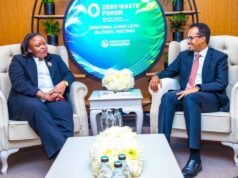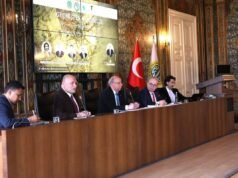
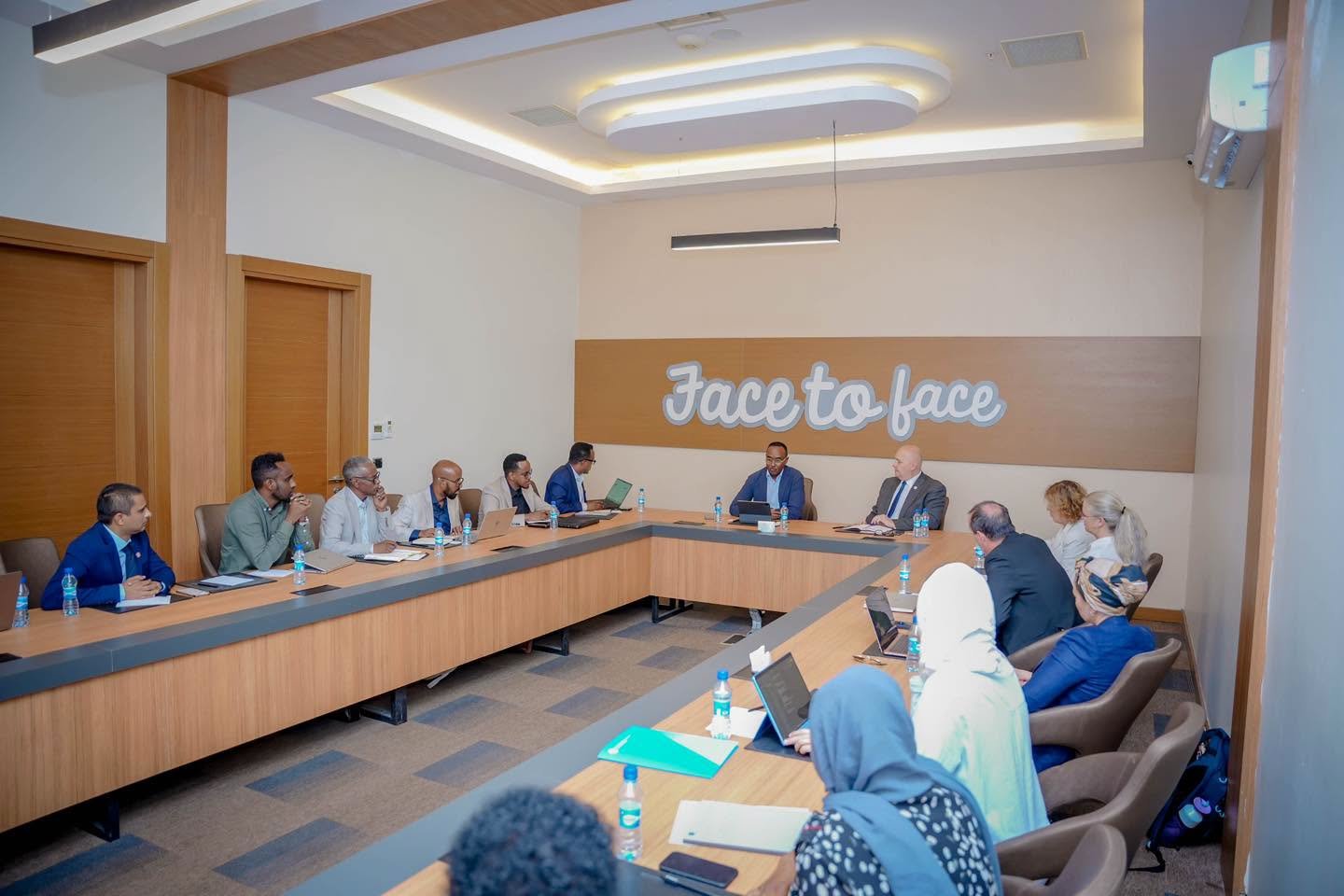
MOGADISHU — The Commissioner of the Somali Disaster Management Agency (SoDMA), Mahmoud Moallim Abdulle, has held a high-level meeting with senior officials from the United Nations Food and Agriculture Organization (FAO) and representatives of the Government of Norway to strengthen cooperation on disaster preparedness, early warning systems, and emergency response efforts in Somalia.
The meeting brought together Rein Paulsen, FAO’s Director of Emergency and Resilience, Etienne Peterschmitt, FAO Representative in Somalia, and representatives of the Norwegian government. Discussions focused on strengthening coordination among government institutions and international partners to improve Somalia’s readiness for El Niño-related emergencies and other climate-induced disasters.
Strengthening Early Warning and Emergency Preparedness
A key focus of the meeting was the need to strengthen early warning systems and ensure that warnings are translated into timely, practical, and coordinated action. Participants discussed measures to improve preparedness for potential flooding, extreme weather events, and other hazards associated with El Niño.
The discussions emphasized that early warnings must be supported by effective response plans, adequate resources, and close cooperation among government agencies, humanitarian organizations, and international partners. Such measures are essential to protect lives, safeguard livelihoods, and reduce the social and economic consequences of disasters.
Somalia remains vulnerable to recurring climate-related emergencies, including droughts and floods, which can disrupt agricultural production, threaten livestock, damage infrastructure, and worsen food insecurity. Strengthening preparedness and response mechanisms is therefore an important priority for reducing the impact of future emergencies on vulnerable communities.
Mobilizing Resources for Humanitarian Needs
The meeting also highlighted the importance of mobilizing additional financial resources to address existing humanitarian needs and support emergency preparedness initiatives.
Participants stressed that effective disaster management requires not only immediate humanitarian assistance but also sustained investment in disaster risk reduction, resilient infrastructure, improved forecasting, and community preparedness.
They also discussed the importance of long-term financing to help Somalia strengthen its capacity to anticipate, withstand, and recover from natural hazards. Greater investment in preparedness could help reduce the need for costly emergency interventions and limit the damage caused by recurring disasters.
Cooperation between SoDMA, FAO, Norway, and other humanitarian partners is expected to remain important in supporting national disaster management priorities and improving the delivery of assistance to communities at risk.
Protecting Lives and Safeguarding Livelihoods
The discussions underscored the importance of linking early warning information with rapid response measures that reach vulnerable communities before disasters escalate.
Participants emphasized that coordinated action can help protect lives, preserve livelihoods, and reduce the effects of flooding and other climate-related hazards. Timely intervention is particularly important for communities whose livelihoods depend on agriculture, livestock, and other climate-sensitive economic activities.
Improved coordination can also help ensure that available resources are directed toward the communities and areas most at risk, while strengthening the ability of humanitarian organizations and government institutions to respond effectively when emergencies occur.
SoDMA Reaffirms Its Commitment
Speaking at the meeting, SoDMA Commissioner Mahmoud Moallim Abdulle reaffirmed the agency’s commitment to leading the Somali government’s efforts to manage disaster risks, strengthen emergency coordination, and deepen cooperation with international organizations and development partners.
He emphasized the importance of timely humanitarian assistance, effective preparedness planning, and stronger institutional coordination to ensure that communities facing disasters receive the support they need.
The Commissioner also highlighted the need to strengthen partnerships with international stakeholders to improve Somalia’s disaster management capacity and support a more coordinated approach to emergency response.
Building Long-Term Resilience
The meeting reflects the continuing importance of collaboration between the Somali government and international partners in addressing the country’s humanitarian and climate-related challenges.
By improving early warning systems, strengthening emergency preparedness, mobilizing financial support, and investing in long-term resilience, Somalia aims to improve its ability to manage future disasters and reduce their impact on vulnerable populations.
The discussions concluded with an emphasis on the need for continued cooperation, adequate financing, and practical action to ensure that early warnings lead to timely responses and better protection for communities across Somalia.
Note: This expanded report is based on the information provided. It does not add unconfirmed agreements, funding commitments, or specific outcomes beyond those described in the original statement.