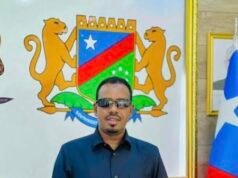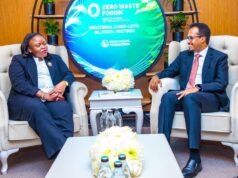
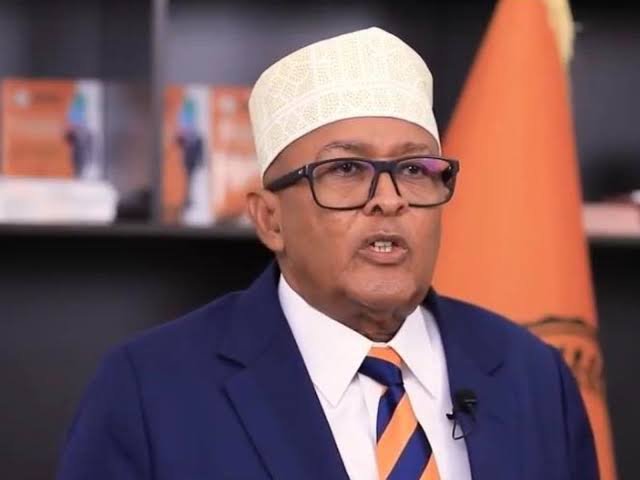
NAIROBI — Somaliland leader Abdirahman Mohamed Abdullahi “Cirro” recently visited Nairobi, where he held meetings with representatives of the international community, international organizations and other regional stakeholders.
The discussions focused on Somaliland’s political situation, security, development, investment and its relations with the international community. The Somaliland administration said the visit was part of its broader efforts to strengthen international partnerships and advance its diplomatic agenda.
However, the visit has sparked political debate over what Cirro hoped to achieve in Kenya and whether those objectives were met.
Some critics of Cirro’s administration argue that the visit failed to produce the major political results they had expected, particularly stronger international support for Somaliland’s long-running campaign for recognition.
Supporters of the administration, meanwhile, view the visit as an important opportunity to strengthen Somaliland’s diplomatic engagement with Kenya, Western governments and international organizations based in Nairobi.
Kenya remains strategically important to Somaliland because of its geographical location and Nairobi’s role as a major regional diplomatic center. Somaliland has sought to strengthen relations with Kenya and other countries in the region as part of its broader international recognition campaign.
At the same time, Kenya has maintained a position supporting Somalia’s territorial integrity. While Nairobi maintains engagement and cooperation with Hargeisa, such relations do not automatically amount to formal recognition of Somaliland as an independent state.
International recognition remains one of the central priorities of Cirro’s foreign policy. His administration has sought to convince international actors that Somaliland has functioning institutions, a political system and the capacity to govern its territory.
The Nairobi meetings provided Cirro with an opportunity to present Somaliland’s position directly to diplomats and international representatives. However, recognition is a complex diplomatic process influenced by regional politics, international interests and long-term engagement.
The Somaliland issue also remains closely linked to the political dispute between Hargeisa and Mogadishu. The Federal Government of Somalia considers Somaliland part of the Federal Republic of Somalia and continues to defend Somalia’s territorial integrity, while Somaliland maintains that it is an independent state seeking international recognition.
This longstanding disagreement has made Somaliland’s diplomatic campaign a sensitive issue throughout the Horn of Africa.
Cirro’s Kenya visit was therefore closely watched by both supporters and opponents of his administration. Supporters hoped the trip would lead to stronger diplomatic relations, new investment opportunities and greater international support, while critics expected concrete political achievements, particularly regarding recognition.
It is important, however, to distinguish political criticism from independently verified facts. Reports confirm that Cirro held meetings with international representatives in Nairobi and discussed issues including security, development, investment and Somaliland’s international position. Claims that the visit was either a complete success or a complete failure remain political assessments unless supported by concrete outcomes.
For many people in Somaliland, the ultimate measure of the government’s foreign policy will not simply be the number of diplomatic meetings held abroad, but whether those engagements produce tangible benefits such as investment, employment opportunities, stronger international partnerships and progress on the recognition issue.
Ultimately, the success of Cirro’s Kenya visit will depend on what follows from the meetings. New agreements, investment commitments, diplomatic support or progress toward international recognition could strengthen the government’s position.
If those results do not materialize, criticism over the effectiveness of the administration’s diplomatic strategy is likely to intensify.
For now, Cirro’s Kenya visit appears to be part of a broader diplomatic campaign rather than a definitive breakthrough. The coming months will show whether the engagement in Nairobi can translate into concrete political and economic gains for Somaliland.